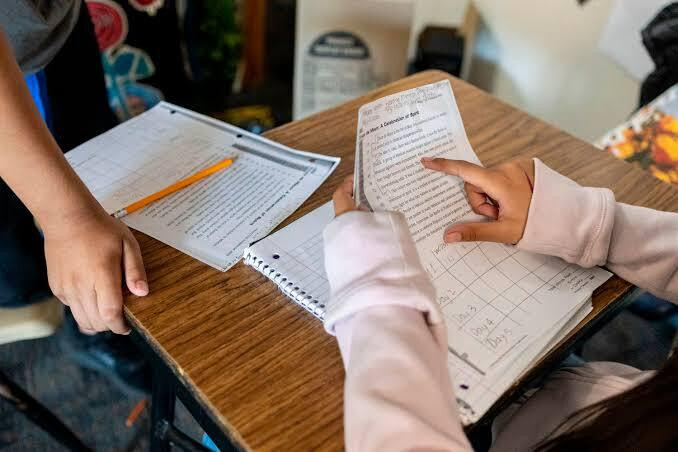
As college entrance exams approach each year, a familiar ritual plays out across campuses: stacks of heavily annotated workbooks, dog-eared reference guides, and worn notebooks are bundled up and hauled away as scrap paper. For many teenagers, parting with those pages brings a wave of relief after months of relentless test preparation. For educators watching the paper bins fill up, however, the sight often sparks a quieter unease about what the system values most.
At issue is not merely waste management or classroom logistics, though clearing rooms for testing centers poses real operational constraints. Rather, the recurring disposal of year-long study materials points to a persistent tension between learning as growth and testing as selection. When high-stakes exams dominate the calendar, study guides easily come to be treated as disposable tools built for a single scoreboard rather than records of intellectual effort.
Inside those discarded pages lie months of trial and error—penciled corrections, circled mistakes, late-night review notes, and gradual shifts in understanding that never show up on a final score report. Those marks tell a story that standardized metrics struggle to capture: how a student persisted through confusion, adjusted a study habit, or built confidence after a setback. Yet once the test passes, the tangible evidence of that struggle is routinely swept aside along with the anxiety attached to it.
Critics of exam-heavy schooling argue that this dynamic shapes habits across the entire system. When numerical scores become the primary measure of success, students may focus on chasing points instead of grasping ideas, while instruction tilts toward test-taking efficiency over deeper inquiry. Schools and policymakers, facing pressure around rankings and placement outcomes, can end up prioritizing measurable metrics over broader educational habits that last well beyond graduation.
Changing that culture does not require turning schools into storage warehouses for old textbooks. Space is limited, and letting go of physical paper is practical. What matters more is giving students space to reflect on what they actually learned—capturing key takeaways, study strategies that worked, and areas for future growth—before moving on.
Equally important is how educators and systems evaluate progress. Portfolios, inquiry projects, reading logs, discussions, and problem-solving reflections offer richer insight into how young people think and grow than test scores alone. Years later, revisiting honest records of early struggles and breakthroughs can offer valuable perspective as adults navigate unfamiliar challenges.
Test day inevitably arrives and passes, and classrooms must be reset for what comes next. Still, if education is meant to nurture lifelong curiosity and self-directed learning, the real test begins after the exam ends—and depends on whether students carry forward the habits and confidence to keep learning on their own.
[Copyright (c) Global Economic Times. All Rights Reserved.]