

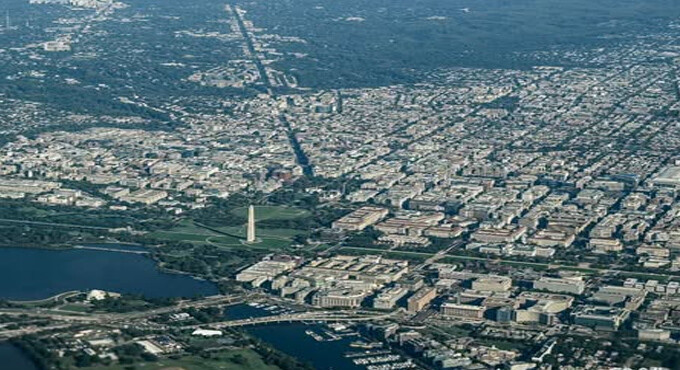
WASHINGTON — U.S. intelligence agencies have reportedly uncovered intelligence suggesting that Iran is planning attacks using radiological "dirty bombs" or chemical weapons targeting the nation's capital, according to recent media reports.
The alleged plot has heightened tensions between Washington and Tehran, drawing a fierce warning from President Donald Trump. Speaking to reporters in Manila, Philippines, during the ASEAN summit, Trump stated that if the threats are proven true, Iran would face "consequences unlike any country has ever faced before."
"I hope it's not true, but we are taking it very seriously because they are crazy," Trump said, adding that the situation underscores why Iran must never be allowed to acquire nuclear weapons.
According to U.S. officials, the intelligence includes specific targets in Washington, D.C., and intercepted communications suggesting that bomb-making materials may have already been smuggled into the U.S. mainland. In response to the perceived threat, the U.S. Secret Service reportedly relocated Treasury Secretary Scott Bessent's residence to a secure military facility as a precautionary measure.
Despite the grave warnings, other administration officials sought to calm public anxiety. Homeland Security Secretary Markwayne Mullin dismissed the reported plans as "wishful thinking," assuring the public that the U.S. mainland remains safe.
Tehran has vehemently denied the allegations. Iranian Foreign Ministry spokesperson Esmaeil Baghaei took to social media to reject the reports, accusing the U.S. of fabricating a pretext for further military aggression. Meanwhile, Iranian parliamentary speaker Mohammad Bagher Ghalibaf warned that any attacks on Iranian civilian infrastructure would prompt retaliatory strikes against U.S. and allied facilities across the Middle East.
Security analysts note that the diplomatic stalemate over the Strait of Hormuz and broader regional conflicts have created a volatile environment, raising concerns that hardline factions within Iran might resort to asymmetric provocations to derail ongoing negotiations.
[Copyright (c) Global Economic Times. All Rights Reserved.]