SEOUL — In South Korea, living alone has become a defining demographic trend, yet the emotional toll of solitary life is far from evenly distributed. Emerging data and clinical observations suggest that loneliness among young adults is not merely a personal struggle, but a public health crisis deeply intertwined with economic disparity and the erosion of social safety nets.
The Economic Divide of Isolation
Recent findings from South Korea’s 2025 Social Survey highlight a stark correlation between household income and social isolation. Among respondents earning less than 1 million won (approximately $720) per month, 57.6% reported experiencing frequent loneliness. In contrast, that figure dropped to 33% for those earning 6 million won or more.
This gap extends to the availability of emotional support. Nearly four in ten low-income respondents (38%) stated they had no one to turn to when feeling depressed or overwhelmed, compared to just 14.3% in the highest income bracket.
"Loneliness is no longer just an individual emotion; it has become a structural health hazard," notes a 2025 World Health Organization (WHO) report on social connection. The WHO warns that chronic isolation carries health risks comparable to smoking and obesity, increasing susceptibility to cardiovascular disease, cognitive decline, depression, and premature mortality—accounting for an estimated 871,000 deaths globally each year.
Two Faces of Solitary Living
While precarious employment affects many young Koreans migrating to the greater Seoul area for opportunity, their resilience often depends on their socioeconomic background.
Consider the contrasting realities of two young single-person households in Seoul:
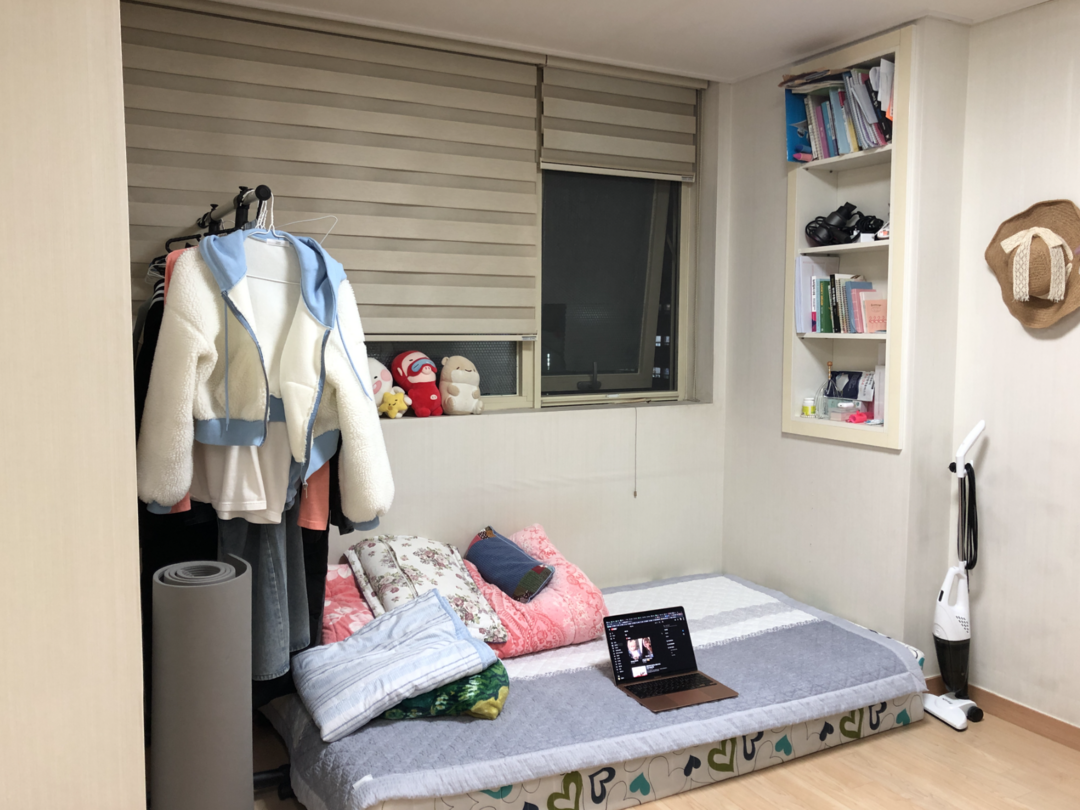
The Safety Net of Family: A 27-year-old job seeker from North Gyeongsang Province, who left a stressful corporate job to study for public sector exams, relies on part-time work to pay her 720,000-won monthly rent. Despite career uncertainty, she maintains regular contact with her parents, receives occasional financial help, and leans on a supportive circle of friends, shielding her from severe isolation.
The Trap of Precarity: Conversely, a 37-year-old former kitchen worker—who grew up without family support and lived in cramped, substandard gosiwon housing—saw his life unravel after severe knee and spinal injuries left him unable to work. Before qualifying for basic livelihood subsidies, physical pain, financial destitution, and a lack of social ties drove him toward alcohol and acute emotional distress.
Workplace Strain and Delayed Care
Mental health professionals warn that young adults in their 20s and 30s are bearing the brunt of structural pressures. According to the Korea Disease Control and Prevention Agency (KDCA), adults in their 20s recorded the highest rate of depressive symptoms among all age groups at 16.3%, surpassing even the elderly population, which led the metric a decade ago.
Clinicians in Seoul’s Gwanak District—a neighborhood dense with single-person youth households—report that roughly 80% of their patients are in their 20s and 30s, citing grueling work hours, toxic workplace hierarchies, and job instability as primary triggers.
Financial barriers further delay intervention. Dr. Kim Sung-wan, director of the Gwangju Mindlink Center and a psychiatry professor at Chonnam National University Hospital, emphasizes that economically vulnerable youth often avoid seeking care because they cannot afford medical bills or take time off from low-wage jobs. To bridge this gap, his center allocates emergency funds specifically to cover treatment costs for struggling young adults.
Beyond Medicine: The Call for 'Social Prescriptions'
Healthcare leaders argue that clinical treatment alone cannot resolve an epidemic rooted in socioeconomic inequality. While compassionate local welfare officers and community doctors can offer crucial lifelines to individuals on the brink, long-term recovery requires rebuilding community infrastructure.
"Depression, anxiety, and suicide driven by isolation cannot be solved solely through medication," says Dr. Baek Jae-jung, chairman of Shincheon Union Hospital. He stresses that addressing South Korea’s mental health divide demands structural reforms and "social prescriptions"—initiatives that actively connect isolated youth with peer networks, community activities, and stable economic support.
[Copyright (c) Global Economic Times. All Rights Reserved.]