![[등록] 2026-09-01 15:48:31](/support/_updata/banner2/tl181982910_6749.png)


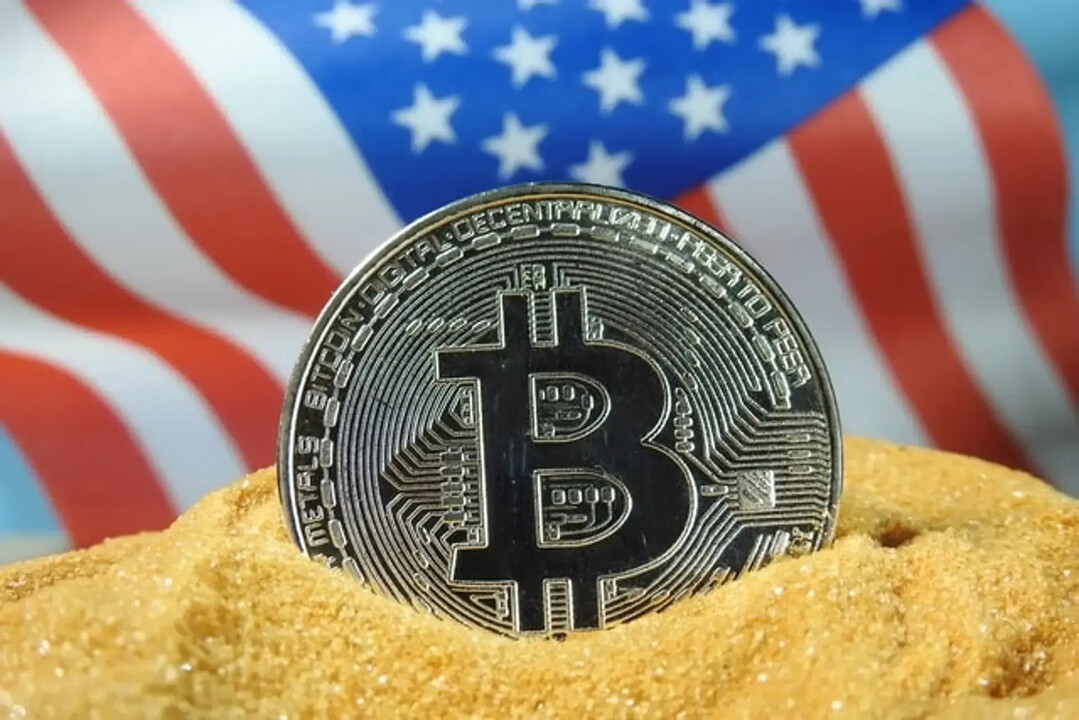
Texas will fully implement a bill on September 1, 2025, that significantly strengthens oversight of crimes involving virtual assets (cryptocurrency). This bill is expected to enhance law enforcement capabilities against digital asset-related financial crimes by establishing a legal framework that allows the state government to efficiently seize and manage virtual assets involved in criminal activities.
According to WuBlockchain, Texas Senate Bill SB1498 was automatically enacted into law on June 20 and will officially take effect on September 1. The core of this bill grants the state government explicit authority to seize virtual assets involved in specific crimes and mandates that seized assets be stored in enhanced-security cold wallets managed by law enforcement agencies or the state prosecutor.
Key Contents and Purpose of the Bill
The SB1498 bill focuses on effectively responding to financial crimes utilizing digital assets and preventing criminals from exploiting existing legal loopholes. Specifically, it amends the Texas Code of Criminal Procedure to expand the definition of property subject to seizure and forfeiture. Accordingly, the definition of "deposit account" explicitly includes digital currency wallets, regardless of whether the wallet is connected to an exchange or network. Furthermore, the definition of "contraband" has been redefined to clearly include various forms of digital assets such as digital currency, non-fungible tokens (NFTs), and stablecoins.
The bill also specifies detailed procedures for law enforcement agencies. When a peace officer seizes digital assets such as digital currency, non-fungible tokens, or stablecoins, they must transfer these assets to a cold wallet that is not connected to an exchange or network within 72 hours of seizure. This cold wallet must be managed in a way that only the relevant law enforcement agency can access it. This measure is interpreted as a means to enhance the security of seized digital assets and minimize the potential for misuse.
In addition, the bill allows regulated financial institutions, upon receiving a seizure warrant, to transfer any digital currency, non-fungible tokens, or stablecoins they hold into a highly secure cold wallet. This provision aims to increase the efficiency of the digital asset seizure process through the cooperation of financial institutions.
Differences from Existing Laws and Scope of Application
The SB1498 bill modernizes Texas's existing asset forfeiture laws, providing law enforcement agencies with new tools to combat crimes involving digital assets, such as fraud, money laundering, and organized crime. Notably, this represents a significant change as it extends the concept of civil asset forfeiture—which allows for the seizure and forfeiture of digital assets suspected of being involved in illicit activities without a criminal conviction—to digital assets. The bill applies only to property or proceeds seized on or after the bill's effective date of September 1, 2025. Property or proceeds seized before that date will be subject to existing laws.
Some evaluate that this bill could lead to increased potential revenue for the state government. However, concerns are also being raised about the financial risks and administrative burden during law enforcement processes, as well as the risk of misuse and security breaches that could occur when law enforcement agencies manage seized assets without judicial oversight.
Future Outlook
The implementation of Texas's SB1498 bill will be an important milestone in strengthening the legal status of virtual assets and the regulatory framework for related crimes. This can be seen as part of a global trend to enhance the ability of law enforcement agencies to respond to related crimes as digital assets are integrated into the financial system at an accelerating pace. It remains to be seen whether this move by Texas will influence future virtual asset-related legislation in other states or countries.
[Copyright (c) Global Economic Times. All Rights Reserved.]