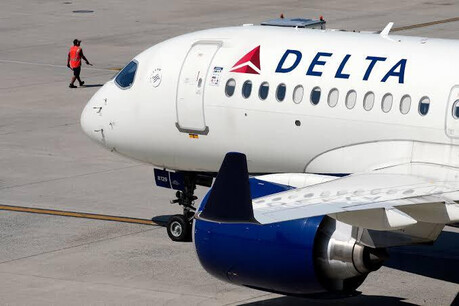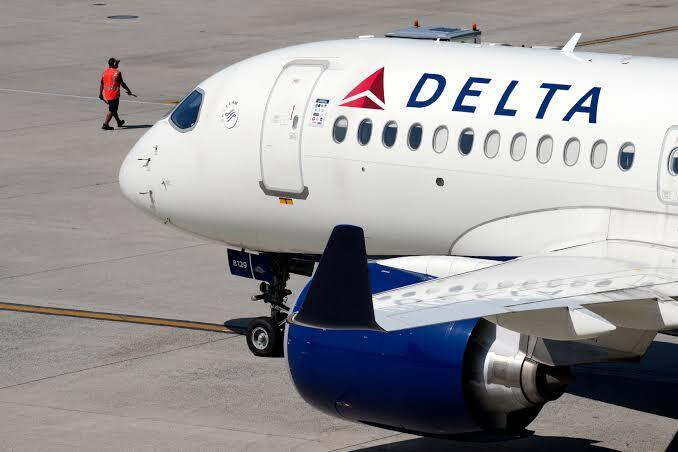
ATLANTA — Travelers flying with Delta Air Lines faced significant disruptions on the 22nd after a technical malfunction in the carrier's automated weight-and-balance software temporarily halted departures at its primary hub in Atlanta, Georgia.
The software is critical for flight safety, as it calculates passenger and cargo loads prior to takeoff to ensure proper weight distribution. During the outage at Hartsfield-Jackson Atlanta International Airport, departures were delayed for roughly an hour as airline personnel switched to manual calculations to clear aircraft for takeoff safely.
Because Atlanta serves as Delta’s busiest operational hub, the bottleneck quickly triggered a domino effect across the airline's domestic network. Data from aviation analytics company Cirium showed that 26% of Delta’s scheduled flights were either grounded or canceled by 7:00 a.m., with delays affecting more than 40% of its flights by 9:00 a.m.
This marks the third major aviation disruption in the United States within ten days, following a nationwide Federal Aviation Administration (FAA) network outage on the 13th and a computer glitch at United Airlines on the 16th.
Despite the close timing of these incidents, aviation officials and experts emphasize that the events appear to be isolated. The FAA clarified that Delta's software issue was completely unrelated to federal air traffic control systems. Furthermore, aviation safety analysts note that localized glitches of this nature are typically tied to routine software updates rather than systemic, industry-wide vulnerabilities.
[Copyright (c) Global Economic Times. All Rights Reserved.]