Experiencing fever, chills, and pain in the upper right abdomen can easily feel like a bad flu or severe indigestion. However, if these symptoms are accompanied by yellowing of the skin or eyes, immediate medical attention is critical. These are hallmark signs of acute cholangitis, a rapidly progressing bacterial infection of the bile ducts that can lead to life-threatening sepsis if left untreated.
Causes and Silent Risks in Older Adults
The bile ducts are responsible for transporting bile from the liver to the small intestine. When this pathway becomes blocked, stagnant bile creates an ideal breeding ground for bacteria, triggering severe inflammation throughout the biliary tract.
Gallstones are the primary culprit behind these blockages, though strictures, tumors in the bile duct or pancreas, post-surgical complications, and rare parasitic infections like liver flukes can also obstruct the flow. Individuals with a history of gallstones, prior biliary procedures, or advanced age face a significantly higher risk.
While the classic clinical triad consists of fever with chills, upper right abdominal pain, and jaundice, patients rarely exhibit all three at once. Many initially present only with fever and stomach pain, sometimes accompanied by nausea, vomiting, or indigestion. As the infection worsens, dangerously low blood pressure and confusion may set in.
According to Jae-shin Lee, a professor of gastroenterology at Incheon St. Mary’s Hospital, the condition can deteriorate within a matter of hours once bacteria infect an obstructed duct. He emphasizes that elderly patients often develop severe cholangitis without obvious fever or abdominal pain, making sudden lethargy or changes in mental alertness key warning signs that require prompt evaluation.
Emergency Treatment: Why Drainage Is Crucial
Diagnosing acute cholangitis involves a combination of physical assessments, blood tests—to check white blood cell counts, C-reactive protein (CRP), bilirubin, and liver enzymes—and imaging studies such as abdominal ultrasound, CT scans, MRCP, or endoscopic ultrasound.
Because it is a medical emergency, treatment begins immediately with intravenous fluids and antibiotics to combat the infection. However, medication alone cannot resolve the crisis if the duct remains blocked. Clearing the obstruction through biliary drainage is essential to prevent recurrence and systemic collapse.
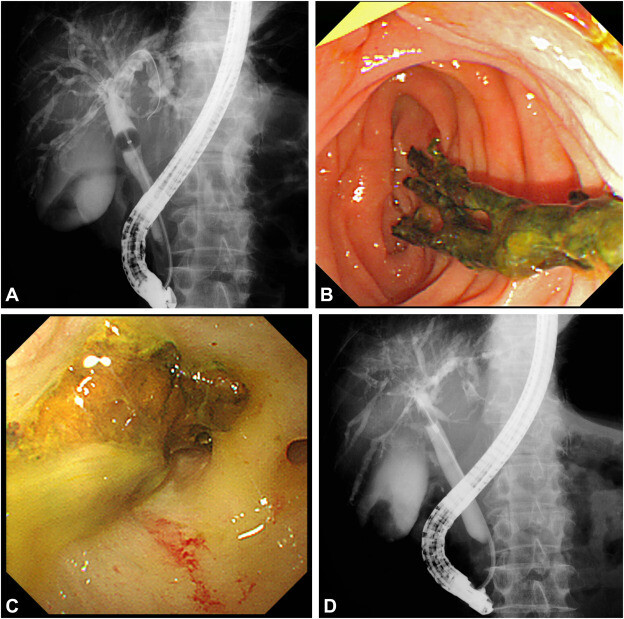
Doctors typically perform Endoscopic Retrograde Cholangiopancreatography (ERCP) to remove stones or insert a drainage stent via the mouth. If an endoscopic approach is not feasible, percutaneous drainage through the skin is utilized. Once the acute infection stabilizes, underlying causes must be addressed, such as removing the gallbladder if gallstones are present or treating strictures and tumors.
Kyu-hyun Paik, a gastroenterology professor at Seoul St. Mary’s Hospital, notes that antibiotics cannot cure the root cause while a blockage persists. For moderate to severe cases, he advises performing ERCP within 48 hours, stressing that patients already showing signs of sepsis or organ dysfunction require even faster intervention.
Preventing Complications Through Gallstone Management
When treatment is delayed, bacteria from the bile ducts can enter the bloodstream, triggering sepsis or fatal septic shock. The infection can also spread to the liver, causing liver abscesses that require prolonged antibiotic therapy and additional drainage procedures.
Preventing acute cholangitis starts with proactive gallstone management. Recurring pain in the upper right abdomen warrants a medical checkup, and anyone with a history of biliary surgery should seek urgent care at the first sign of fever or jaundice.
Lifestyle habits also play a protective role:
Diet: Limit high-fat foods and prioritize fiber-rich vegetables and whole grains.
Weight Management: Maintain a healthy weight through regular exercise, while avoiding crash diets or rapid weight loss, which can trigger gallstone formation.
"Acute cholangitis is largely curable when caught and treated early, but missing the treatment window can be fatal," warns Professor Paik. He recommends regular checkups for those with known biliary conditions and consulting a specialist about removing bile duct stones even if they are not currently causing symptoms.
[Copyright (c) Global Economic Times. All Rights Reserved.]