![[등록] 2026-09-01 15:48:31](/support/_updata/banner2/tl181982910_6749.png)


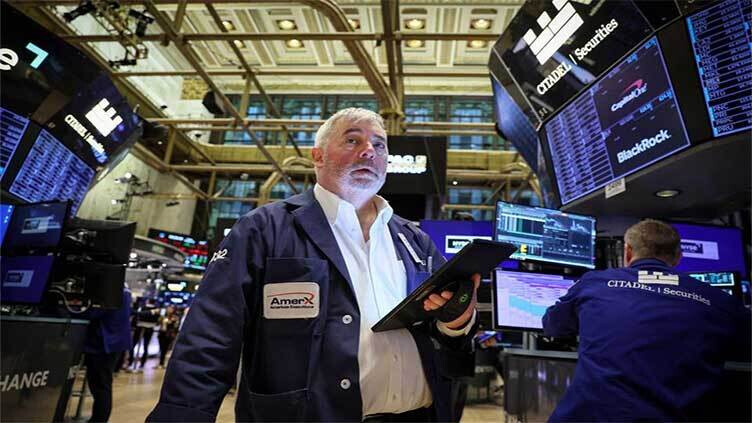
NEW YORK / SEOUL — The relentless "AI rally" that has propelled global markets to record highs hit a significant roadblock on Tuesday, as a combination of hotter-than-expected inflation data and surging crude oil prices triggered a wave of profit-taking in high-growth technology sectors.
Tech Sector Corrects Amid Inflationary Fright
The tech-heavy Nasdaq Composite led the decline, shedding 185.92 points (0.71%) to close at 26,088.20. While the Dow Jones Industrial Average managed a marginal gain of 0.11%, the broader S&P 500 fell 0.16%. The primary drag originated from the Philadelphia Semiconductor Index (SOX), which plummeted over 3% in a single session.
Investors moved to secure gains in semiconductor stocks that have seen meteoric rises since the start of the year. Micron Technology fell over 4%, while AMD and Qualcomm saw sharp declines of 3% and 11%, respectively. Industry bellwethers like Intel and Applied Materials also closed in the red, although AI darling Nvidia managed to remain flat, defying the broader sell-off.
"In earnings season, greed often dominates, but it is frequently followed by a period of fear," said Jay Hatfield, CEO of Infrastructure Capital Advisors. "The market is currently entering a 'flattening out' phase as the initial euphoria surrounding AI infrastructure meets the cold reality of macro headwinds."
Oil Prices and CPI Fuel Hawkish Pivot
The primary catalyst for the risk-off sentiment was the April Consumer Price Index (CPI). The U.S. Labor Department reported a 3.8% year-on-year increase, surpassing the 3.7% consensus and marking the highest level since May of the previous year.
The spike was largely attributed to volatile energy markets. West Texas Intermediate (WTI) crude surged more than 4%, breaching the $102-per-barrel mark, while Brent crude climbed above $107. The escalation follows a breakdown in diplomatic efforts between Washington and Tehran. President Donald Trump remarked that ceasefire negotiations with Iran are currently "on life support," raising fears of a blockade or prolonged conflict in the Strait of Hormuz.
This inflationary pressure has forced a repricing of Federal Reserve expectations. According to the CME FedWatch Tool, the probability of a rate hike in December jumped to 30%, up from 21.5% just a day prior. The hawkish sentiment was further bolstered by the Senate’s confirmation of Kevin Warsh as a Fed Governor, a move seen by analysts as a signal that the central bank may pivot toward tighter policy if price pressures persist.
Samsung Crisis and Domestic Turmoil
In Seoul, the KOSPI felt the ripple effects, plunging 2.29% to close at 7,643.15. The domestic market was particularly sensitive to the breakdown of wage negotiations at Samsung Electronics. As the labor union prepares for a potential large-scale strike over performance bonuses, concerns over supply chain disruptions for global memory chips intensified.
Foreign investors offloaded a staggering 2.2 trillion won worth of Samsung Electronics and 3.1 trillion won of SK Hynix shares in a single day. The sentiment was further soured by political controversy following reports from Bloomberg suggesting that a proposed "AI National Dividend" by a high-ranking Blue House official contributed to the market's instability. Although the Blue House clarified that the proposal was a personal opinion, the uncertainty added to the bearish atmosphere.
As geopolitical risks remain elevated and inflation proves stickier than anticipated, market participants are bracing for a period of heightened volatility, shifting their focus from pure growth potential to defensive resilience and central bank rhetoric.
[Copyright (c) Global Economic Times. All Rights Reserved.]