![[등록] 2026-09-01 15:48:31](/support/_updata/banner2/tl181982910_6749.png)


(C) Insaide Small Businees
SEOUL — The South Korean economy is facing a grim outlook for consumer prices in 2026 as the prolonged strength of the U.S. dollar begins to seep into the bedrock of "cost-effective" consumption. Following a year of relentless exchange rate volatility, the retail and food industries are signaling a fresh wave of price hikes, starting with convenience store Private Brand (PB) products on New Year’s Day.
The 1,480 Won Barrier: A Squeeze on Margins
As the won-to-dollar exchange rate solidifies in the 1,480 range, the pressure on the food and retail sectors has reached a tipping point. These industries are structurally vulnerable to currency fluctuations; even a 10-won shift can significantly erode profitability. The burden extends beyond primary raw materials to include packaging and auxiliary components, which are frequently transacted in foreign currencies.
According to the Bank of Korea’s Economic Statistics System, the import price index surged by 2.6% last month, marking its sharpest increase in 19 months. For companies heavily reliant on domestic sales, the situation is increasingly dire. While export-oriented "K-Food" giants can partially offset import costs with foreign currency revenue, domestic-focused firms must absorb the rising costs of production, labor, and logistics.
Convenience Stores: The First to Move
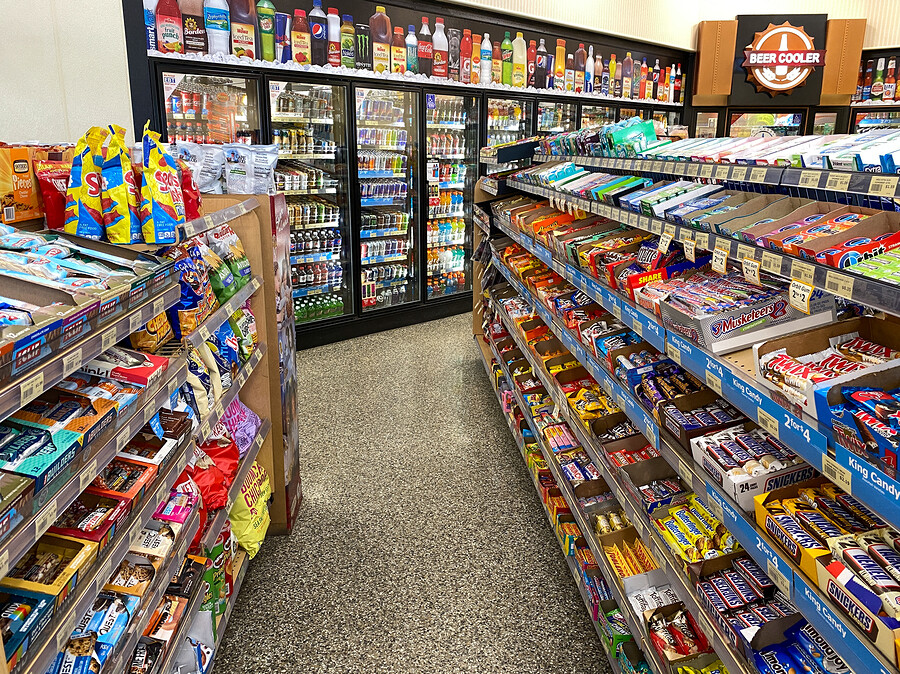
Convenience stores, once considered a sanctuary for budget-conscious consumers, are now leading the price adjustments. Seven-Eleven has announced that effective January 1, 2026, prices for approximately 40 PB items—including snacks, beverages, and desserts—will rise by as much as 25%. GS25 is expected to follow suit with selective increases, while CU currently maintains a freeze on prices but remains under heavy observation.
This move follows a year where major food manufacturers, such as Nongshim and Ottogi, already raised their factory exit prices for ramen and snacks by an average of 7.2% to 7.5%. Despite the government’s efforts to suppress price hikes to alleviate the burden on the working class, industry experts argue that the combination of high exchange rates and rising operational costs has made further freezes unsustainable.
A Domino Effect in 2026?
The looming price hikes in the convenience store sector are widely seen as a harbinger of a broader inflationary trend in 2026. Industry insiders warn that forcing companies to suppress prices during a period of escalating costs may lead to "austerity management," which could have secondary negative effects on the economy.
"When cost pressures are suppressed artificially, companies are eventually forced to choose between drastic cost-cutting or inevitable price adjustments to survive," said a retail industry official. "Given the current economic indicators, we are likely to see a string of price increases across the food sector in the coming year."
As the "high exchange rate shadow" lingers, the South Korean public faces a challenging start to the new year, with the cost of daily essentials expected to climb further, testing the limits of consumer resilience in a period of prolonged economic stagnation.
[Copyright (c) Global Economic Times. All Rights Reserved.]