![[등록] 2026-09-01 15:48:31](/support/_updata/banner2/tl181982910_6749.png)


(C) Seeking Alpha
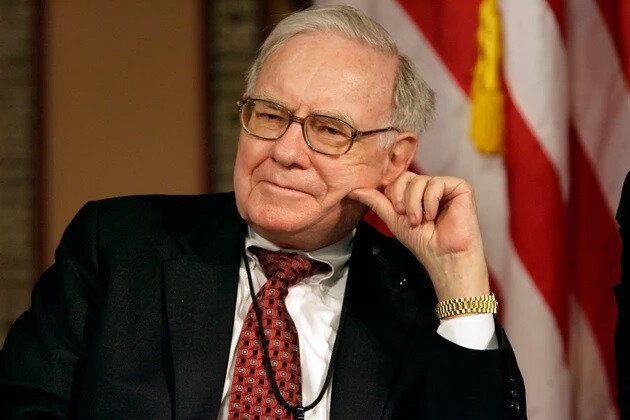
OMAHA — Berkshire Hathaway, the sprawling conglomerate built by legendary investor Warren Buffett, reported a sharp decline in its fourth-quarter operating earnings on Saturday. The results, which mark the final quarterly performance under the tenure of the outgoing CEO, have sparked intense discussion among investors regarding the firm's transition and its valuation strategy in a shifting economic landscape.
According to the earnings report released on February 28, Berkshire’s operating profit for the fourth quarter of 2025 totaled $10.2 billion. This represents a 29.9% decrease compared to the $14.56 billion recorded during the same period in the previous year. While the company’s net income often fluctuates due to the volatility of its massive stock portfolio, the decline in "operating earnings"—a metric Buffett long preferred as a more accurate gauge of the company's health—suggests headwinds across its core businesses.
Insurance Slump and Impairment Charges
The primary drivers of this earnings contraction were weaknesses in the insurance sector and significant non-cash charges. Operating income from Berkshire’s insurance underwriting business plummeted by 54%, falling to $1.56 billion. This was compounded by a massive $4.5 billion impairment charge related to the company’s stakes in Kraft Heinz and Occidental Petroleum.
Market analysts suggest that these write-downs reflect a recalibration of asset values in the face of persistent inflation and changing commodity cycles. Despite the disappointing figures, the company’s cash pile remains formidable, though it has notably refrained from aggressive capital deployment in recent months.
The End of an Era and the "Able" Era Begins
This earnings release carries deep symbolic weight as it serves as the "final report card" for Warren Buffett. For over half a century, Buffett transformed a failing textile mill into a global powerhouse, defining the philosophy of value investing.
As Greg Able takes the helm as the new CEO, the company appears to be maintaining a disciplined, if not cautious, stance. For the sixth consecutive quarter, Berkshire Hathaway did not engage in any share buybacks. This move has signaled to the market that the leadership believes the stock may currently be overvalued relative to its intrinsic worth.
"We will only repurchase shares when the price is below our conservative estimate of intrinsic value," CEO Greg Able stated, echoing the long-standing mantra of his predecessor. "Preserving capital for opportunistic deployments remains our priority."
Market Outlook
The lack of buybacks and the dip in operating profit have led to mixed reactions on Wall Street. While some investors expressed concern over the slowing momentum in the insurance segment, others view the $4.5 billion write-down as a "clearing of the decks," allowing the new management to start with a more realistic balance sheet.
As Berkshire enters this new chapter, the focus will shift from Buffett’s individual genius to the institutional strength of the conglomerate he built. With a massive cash reserve and a portfolio that touches nearly every corner of the American economy, the market remains watchful of how Greg Able will navigate the post-Buffett era.
[Copyright (c) Global Economic Times. All Rights Reserved.]