• 2026.02.25 (Wed)
  • All articles
  • LOGIN
  • JOIN
Global Economic Times
fashionrunwayshow2026
  • Synthesis
  • World
  • Business
  • Industry
  • ICT
  • Distribution Economy
  • Well+Being
  • Travel
  • Eco-News
  • Education
  • Korean Wave News
  • Opinion
  • Arts&Culture
  • Sports
  • People & Life
  • Column
    • Cho Kijo Column
    • Lee Yeon-sil Column
    • Ko Yong-chul Column
    • Cherry Garden Story
  • Photo News
  • New Book Guide
MENU
 
Home > World

Mass Death of 72 Tigers in Thailand: Canine Distemper and Poor Captivity Conditions Blamed

KIM YOUNG MIN Specialized Reporter / Updated : 2026-02-25 06:56:14
  • -
  • +
  • Print

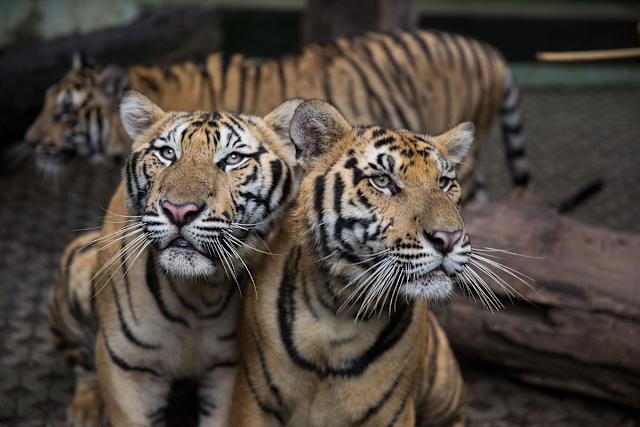
(C) AOL.com

CHIANG MAI, THAILAND – A devastating biological crisis has struck one of Thailand's most prominent wildlife tourism hubs. Authorities in Northern Thailand have launched an urgent investigation following the mass death of 72 tigers at a famous "tiger kingdom" facility in Chiang Mai. The incident has reignited a fierce global debate over the ethics and safety of Thailand's wildlife entertainment industry.

The Outbreak: A Lethal Combination
According to reports from the BBC and local livestock departments, the deaths occurred over a span of just two weeks at two separate facilities under the "Tiger Kingdom" brand. Out of a total population of approximately 240 tigers, nearly a third succumbed to a rapid and aggressive viral onslaught.

Medical examinations of the carcasses revealed a lethal cocktail of pathogens. The primary culprit identified was Canine Distemper Virus (CDV), complicated by Mycoplasma, a bacteria that causes severe respiratory distress.

CDV is a highly contagious virus that attacks the respiratory, gastrointestinal, and central nervous systems of its host. While commonly associated with domestic dogs, the virus is known to be catastrophic when it jumps to large felids like tigers and lions. In 1994, a similar outbreak in the Serengeti wiped out nearly 1,000 lions—about one-third of the population.

Symptoms and Silent Progression
The livestock authorities noted that by the time clinical symptoms became visible, it was already too late for many of the animals. Unlike domestic pets, tigers are notorious for masking pain and illness until they reach a critical stage.

Initial Stage: Respiratory issues and digestive distress after a two-week incubation period.
Terminal Stage: Once the virus reaches the nervous system, it leads to seizures, tremors, and total paralysis.
Secondary Threat: Preliminary tests also detected Feline Panleukopenia Virus (FPV), also known as feline distemper, which boasts a staggering 85% mortality rate in adult cats.

A Systemic Failure: Voices of Criticism
The scale of this tragedy has drawn sharp condemnation from international and local animal rights organizations. The Wildlife Friends Foundation Thailand (WFFT) issued a stern statement, arguing that this event is a "grim reminder" of the inherent vulnerabilities of wild animals kept in high-density, commercial environments.

Critics argue that the "interactive" nature of these parks—where tourists are encouraged to touch and pose with tigers—creates a breeding ground for cross-species contamination. The stress of captivity is also known to weaken the immune systems of these apex predators, making them more susceptible to viruses that a healthy wild tiger might otherwise survive.

The Aftermath
As of February 23, the 72 carcasses have been cremated and buried under strict biosafety protocols to prevent further spread to local wildlife or domestic animal populations. While the exact source of the initial infection remains unknown, the Department of Livestock Development is scrutinizing the movement of staff and visitors as potential vectors for the virus.

This incident marks one of the deadliest viral outbreaks in the history of Thailand’s captive tiger facilities, casting a long shadow over the future of wildlife tourism in the region.

[Copyright (c) Global Economic Times. All Rights Reserved.]

  • #Korea
  • #Seoul
  • #Hallyu
  • #USA
  • #Economy
  • #Busoness
  • #Global
  • #World
  • #Consumer
  • #Export
  • #Import
  • #Hanguel
  • #Travel
  • #Tour
  • #Food
KIM YOUNG MIN Specialized Reporter

Popular articles

  • Global Push to Ban Social Media for Minors Gains Momentum: France Joins Australia in Crackdown on "Foreign Algorithms"

  • The 2026 New Car War: From Avante to S-Class, the Battle for Market Dominance Begins

  • "Sudden Performance Drop and Irritability?" Male Menopause Targets Men as Early as Their 40s

I like it
Share
  • Facebook
  • X
  • Kakaotalk
  • LINE
  • BAND
  • NAVER
  • https://globaleconomictimes.kr/article/1065563681827384 Copy URL copied.
Comments >

Comments 0

Weekly Hot Issue

  • Shinsegae Group and Korea Tourism Organization Renew Strategic Partnership to Boost Inbound Tourism through K-Culture Synergy
  • Heroes' Return: South Korean National Team Welcomed by Cheers at Incheon Airport
  • Starbucks Korea Strikes Gold Again with ‘Baby Milo’ Reusable Cup Frenzy
  • Dimon Warns: Lending Rivalry Echoes Pre-2008 Crisis Reckoning
  • Man Arrested for Forging $4.5M in Checks to Flaunt Wealth; Scheme Exposed After Breakup
  • Mexico on Edge: Cartel Retaliation Sparking Terror Ahead of 2026 FIFA World Cup

Most Viewed

1
Revised and Expanded Edition of ‘Failure of Negotiations with North Korea: Truth and Solutions’ Published
2
Samsung TV Plus Surpasses 100 Million Monthly Active Users, Solidifying Leadership in Global FAST Market
3
Two Falls and a Miracle Run: Choi Ga-on Becomes First Korean to Win Winter Olympic Gold on Snow
4
AI Vision: New Neuromorphic Chip Detects Motion 4 Times Faster Than Human Eye
5
War Memorial Association Launches Youth Education Program Idea Contest
광고문의
임시1
임시3
임시2

Hot Issue

U.S. Consumer Confidence Hits 91.2 in February, Defying Expectations Amid Economic Optimism

Dimon Warns: Lending Rivalry Echoes Pre-2008 Crisis Reckoning

Shinsegae Group and Korea Tourism Organization Renew Strategic Partnership to Boost Inbound Tourism through K-Culture Synergy

Starbucks Korea Strikes Gold Again with ‘Baby Milo’ Reusable Cup Frenzy

Let’s recycle the old blankets in Jeju Island’s closet instead of incinerating them.

Global Economic Times
korocamia@naver.com
CEO : LEE YEON-SIL
Publisher : KO YONG-CHUL
Registration number : Seoul, A55681
Registration Date : 2024-10-24
Youth Protection Manager: KO YONG-CHUL
Singapore Headquarters
5A Woodlands Road #11-34 The Tennery. S'677728
Korean Branch
Phone : +82(0)10 4724 5264
#304, 6 Nonhyeon-ro 111-gil, Gangnam-gu, Seoul
Copyright © Global Economic Times All Rights Reserved
  • 에이펙2025
  • APEC2025가이드북TV
  • 독도는우리땅
Search
Category
  • All articles
  • Synthesis
  • World
  • Business
  • Industry
  • ICT
  • Distribution Economy
  • Well+Being
  • Travel
  • Eco-News
  • Education
  • Korean Wave News
  • Opinion
  • Arts&Culture
  • Sports
  • People & Life
  • Column 
    • 전체
    • Cho Kijo Column
    • Lee Yeon-sil Column
    • Ko Yong-chul Column
    • Cherry Garden Story
  • Photo News
  • New Book Guide
  • Multicultural News
  • Jobs & Workers