• 2026.11.25 (Wed)
  • All articles
  • LOGIN
  • JOIN
Global Economic Times
한인동포뉴스(상단)
  • Synthesis
  • World
  • Business
  • Industry
  • ICT
  • Distribution Economy
  • Well+Being
    • Pet Life
    • Halal Horizon
  • Travel
  • Eco-News
  • Education
  • Korean Wave News
  • Opinion
  • Arts&Culture
  • Sports
  • People & Life
    • International Student Report
    • With Ambassador
  • Column
    • Cho Kijo Column
    • Cherry Garden Story
    • Ko Yong-chul Column
    • Kim Bong-seon's Photo Column
    • Kim Seul-Ong Column
    • Lee Yeon-sil Column
    • Professor Lee Soo-young’s Life Essays
  • Photo News
  • New Book Guide
MENU
 
Home > Distribution Economy

Illegal "No-Registration" Clauses in Seoul Officetels Strip Young Tenants of Subsidies and Deposit Rights

Desk / Updated : 2026-11-25 06:37:41
  • -
  • +
  • Print

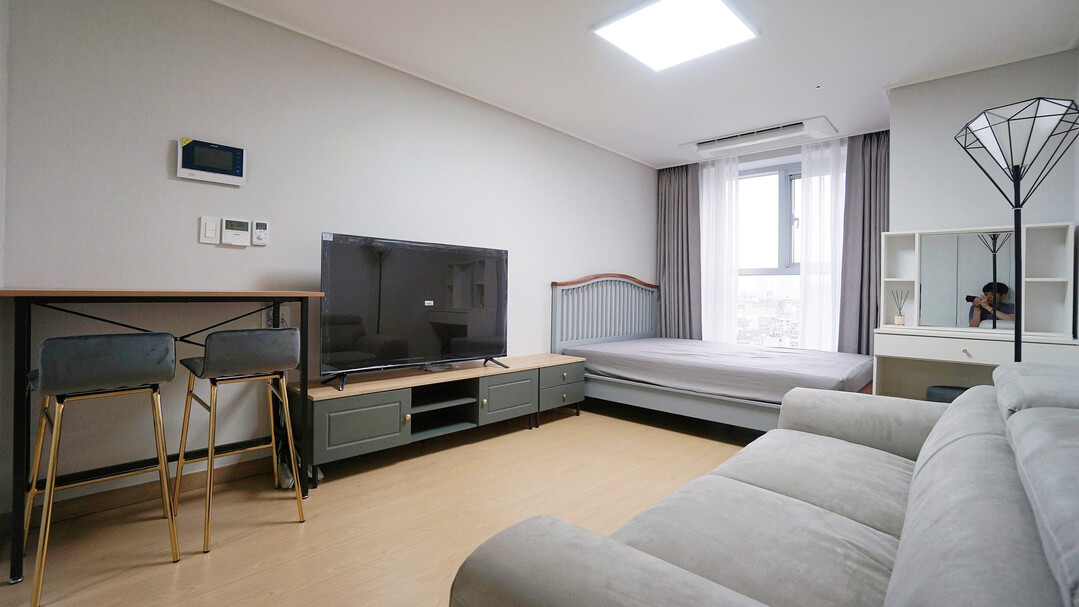
SEOUL — Young renters in South Korea’s capital are increasingly encountering a hidden catch in the affordable housing market: landlords illegally forbidding them from registering their residential addresses. While intended to shield property owners from taxes, this widespread practice disqualifies tenants from government rent subsidies and leaves their security deposits legally vulnerable.

Across major Seoul districts—including Mapo, Gangnam, Songpa, and Dongdaemun—numerous studio apartments known as officetels are listed with monthly rents between 650,000 and 1 million won ($470–$725), paired with a strict condition barring tenants from filing a move-in report (jeonip-singo).

Financial Aid and Legal Protections Voided

For young adults relying on municipal aid, this stipulation is costly. Under Seoul’s Youth Monthly Rent Support program, eligible residents can receive up to 200,000 won per month for a year—totaling 2.4 million won. Many of these restricted officetels fall well within the city's rent-cap formula. However, applicants must prove their official resident registration matches the address on their lease. Without registration, tenants are automatically disqualified from both the city's subsidy and year-end income tax deductions on rent.

More critically, bypassing registration strips renters of protections under the Housing Lease Protection Act. Without an official move-in date and a government-stamped lease (hwakjeong-ilja), tenants lose priority claims to their security deposits if the property is sold or foreclosed upon.

Tax Evasion Tactics Backfire on Landlords

Property owners impose these bans primarily to preserve tax breaks. Officetels purchased for commercial use qualify for Value-Added Tax (VAT) refunds and are excluded from a landlord’s total residential property count, preserving capital gains tax exemptions when selling a primary home. Converting a unit to residential use within 10 years revokes those benefits.

Yet tax authorities have cracked down on the loophole. Both the National Tax Service and the Tax Tribunal have consistently ruled that actual living conditions—evidenced by utility usage, building logs, and on-site inspections—override contract clauses. In recent rulings in Seoul and Gyeonggi Province, landlords were stripped of tax exemptions and hit with back taxes despite explicit "no-registration" agreements with their tenants.

Clauses Are Legally Unenforceable

Real estate and legal experts emphasize that such contractual restrictions hold no legal weight. In early 2024, South Korea's Ministry of the Interior and Safety reminded licensed realtors that clauses prohibiting address registration are invalid, warning that brokers complicit in such contracts face disciplinary penalties.

Because mandatory housing laws supersede private contract terms, legal scholars advise renters to avoid properties demanding registration bans altogether—or, if already bound by a lease, to proceed with registering their address regardless of the landlord's stipulation to secure their legal rights.

[Copyright (c) Global Economic Times. All Rights Reserved.]

  • #Cherry Garden
  • #HalalFood
  • #Halal
  • #Petlife
  • #Cats
  • #Dogs
  • #Halalhorizone
  • #Hormuz Impasse
  • #Joseon
  • #globaleconomicti
Desk
Desk

Popular articles

  • Beijing Demands Washington Deliver on Tariff Cuts to Unlock U.S. Farm Exports

  • AI Semiconductor Stocks Plummet: Philadelphia Index Drops 5.28% and Micron Plunges 7.59% Amid Executive Shakeup and Export Restrictions

  • Department Stores Have ‘ELS’, Shopping Malls Have ‘ODM’… Distribution Industry’s ‘Bedfellows’

I like it
Share
  • Facebook
  • X
  • Kakaotalk
  • LINE
  • BAND
  • NAVER
  • https://globaleconomictimes.kr/article/1065562544386194 Copy URL copied.
Comments >

Comments 0

Weekly Hot Issue

  • Halal Turkeys Take Center Stage on American Thanksgiving Tables as Mainstream Grocers Expand Offerings
  • Hugging Your Cat After a Bad Day Might Backfire, Study Suggests — While Petting a Dog Builds Resilience
  • South Korea Weighs Low-Power Signal Jamming and stricter Device Rules to Curb AI Exam Cheating
  • South Korea Pushes for Overdue Media Law Overhaul as OTT Blurs Traditional Broadcast Lines
  • From Classroom and Lab to Smart Farms: Siblings Cultivate a Second Act in Rural Korea
  • Busan Tourism Organization Takes the Lead in Local Co-prosperity Again This Year with the ‘Good-Cycling’ Campaign

Most Viewed

1
South Korean Burger Chain Lotteria Expands Singapore Footprint with Halal Certification and New Teriyaki Lineup
2
AI Semiconductor Stocks Plummet: Philadelphia Index Drops 5.28% and Micron Plunges 7.59% Amid Executive Shakeup and Export Restrictions
3
"Stay Out, Get Paid, or Have Police Stay With You": Shenzhen Imposes Strict Security Ahead of APEC Summit
4
Taiwan Bans Short-Selling Below Previous Close Starting Nov. 23, Raises Margin Ratio to 150%
5
AI Music Tops Melon Chart: Is the K-Pop Production Formula Changing?
체리가든 스토리
nutri huevos
로타리
동포저널

Hot Issue

Trump Faces Rare Bipartisan Backlash Over Jensen Huang’s Return to Nvidia

Beyond the Click: How Agentic AI is Quietly Dismantling the App Economy

Jeju Tests Solar-Powered Greenhouses to Grow Carbon-Free ‘RE100’ Tangerines

Fashion Runway Show 2026

Let’s recycle the old blankets in Jeju Island’s closet instead of incinerating them.

Global Economic Times
korocamia@naver.com
CEO : LEE YEON-SIL
Publisher & Editor : KO YONG-CHUL
Registration number : Seoul, A55681
Registration Date : 2024-10-24
Youth Protection Manager: KO YONG-CHUL
Singapore Headquarters
5A Woodlands Road #11-34 The Tennery. S'677728
Korean Branch
Phone : +82(0)10 4724 5264
#304, 6 Nonhyeon-ro 111-gil, Gangnam-gu, Seoul
Copyright © Global Economic Times All Rights Reserved
  • News K
  • 반달곰 프로젝트
  • 광고문의
Search
Category
  • All articles
  • Synthesis
  • World
  • Business
  • Industry
  • ICT
  • Distribution Economy
  • Well+Being 
    • 전체
    • Pet Life
    • Halal Horizon
  • Travel
  • Eco-News
  • Education
  • Korean Wave News
  • Opinion
  • Arts&Culture
  • Sports
  • People & Life 
    • 전체
    • International Student Report
    • With Ambassador
  • Column 
    • 전체
    • Cho Kijo Column
    • Cherry Garden Story
    • Ko Yong-chul Column
    • Kim Bong-seon's Photo Column
    • Kim Seul-Ong Column
    • Lee Yeon-sil Column
    • Professor Lee Soo-young’s Life Essays
  • Photo News
  • New Book Guide
  • Overseas Koreans
  • Multicultural News