Following the Republican setback in the American midterm elections, Beijing is intensifying its diplomatic pressure on Washington, urging the swift execution of previous bilateral trade accords. Analysts note that China is aiming to safeguard its economic roadmap against potential legislative volatility in the United States.
Speaking at a regular briefing on Thursday, the Chinese Commerce Ministry asserted that Beijing will only ramp up imports of American agricultural commodities once the mutually agreed-upon $30 billion tariff rollbacks are fully enacted.
"While China has always welcomed expanded agricultural commerce with the United States, our baseline condition remains the fulfillment of the equal $30-billion-per-side tariff reduction pact," ministry spokesperson He Ling remarked.
This statement underscores Beijing's position that President Trump's goal of boosting domestic farm exports is contingent upon honoring the reciprocal trade framework. Ministry officials further stressed that both governments should cultivate a more accommodating trading environment by dismantling non-tariff hurdles and widening market entry.
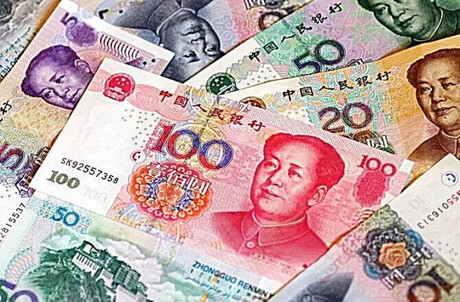
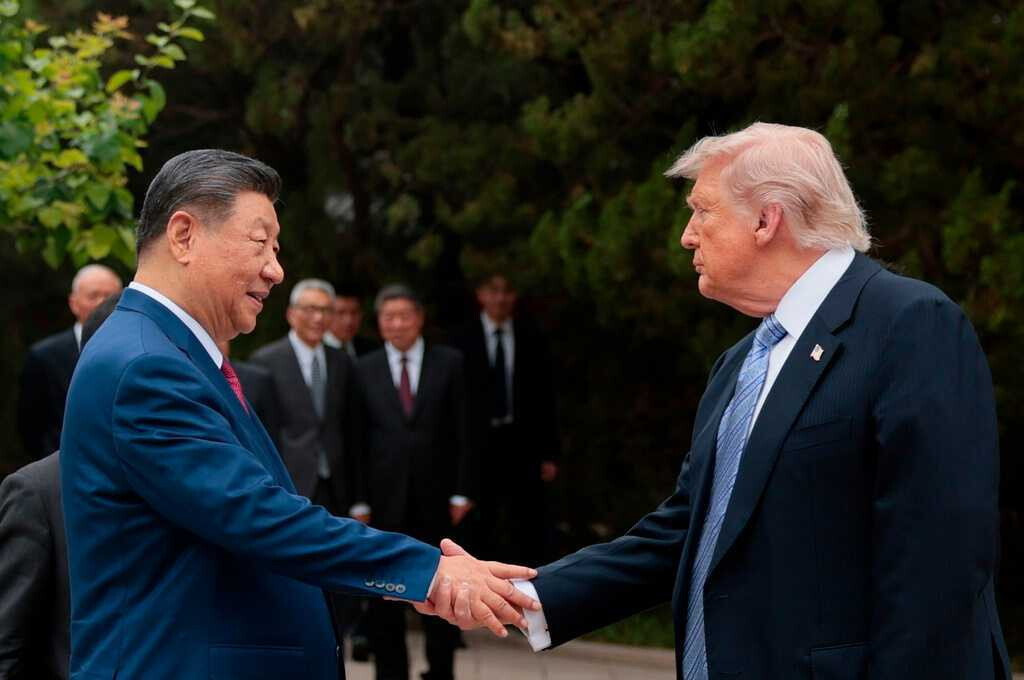
Back in May, leaders from both economic superpowers convened in Beijing to target $30 billion worth of non-sensitive goods for tariff relief. This was followed by a subsequent agreement on specific item lists during bilateral talks in Washington last September. Under the pact, Beijing agreed to lower duties on American farm products, healthcare devices, and coal, while Washington targeted Chinese electronics, toys, and household goods for tariff reductions.
The Chinese Foreign Ministry echoed a similar tone earlier in the week, expressing hope for continuity in bilateral relations. Foreign Ministry representative Mao Ning emphasized that Washington's midterms are a domestic matter, adding that Beijing remains committed to honoring the consensus reached by Presidents Trump and Xi Jinping.
Nevertheless, political experts warn that the shift in congressional control could introduce new friction points—particularly concerning arms sales to Taipei. With the Democratic Party securing majorities in both chambers, lawmakers may challenge executive decisions regarding Taiwan, a core sovereignty issue for Beijing. President Trump previously delayed a $14 billion arms package to Taiwan following his Beijing visit earlier this year.
Academic analysts suggest that bipartisan China hawks in Congress could leverage the changing political dynamics to pressure the White House. Meanwhile, defense officials in Taipei have expressed confidence that U.S. legislative support for Taiwan's security will remain robust across party lines.
Beyond geopolitics, technology policy remains a wildcard. Observers speculate that Democratic lawmakers may advocate for tighter export restrictions on advanced artificial intelligence chips and high-performance computing hardware. However, many trade experts believe that the administration's executive authority and presidential veto power will ultimately prevent any radical shifts in overarching U.S. trade policy.
[Copyright (c) Global Economic Times. All Rights Reserved.]