As retail prices for high-end handbags continue to climb, budget-conscious consumers are flocking to online resale platforms—prompting some luxury houses to reconsider their pricing strategies.
SEOUL — Relentless price hikes by European luxury fashion houses have pushed South Korean shoppers toward a booming alternative: the secondhand market.
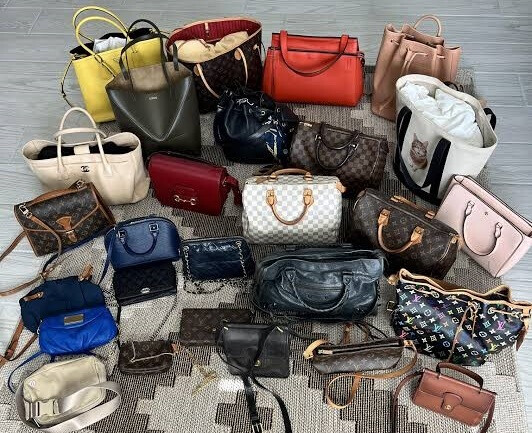
Data released on Tuesday by Karrot, South Korea’s leading peer-to-peer marketplace, reveals a sharp surge in pre-owned luxury handbag transactions this year. Between January and November 22, completed sales on the platform jumped significantly across major labels compared to the same period a year earlier. Hermès led the surge with a 57% increase in closed deals, followed by Chanel (46%), Saint Laurent (41%), Louis Vuitton (37%), and Gucci (29%).
Notably, the spike in completed sales outpaced the growth of new listings—which remained largely flat or dipped slightly for brands like Louis Vuitton and Gucci—indicating strong buyer demand that is rapidly absorbing available inventory. Momentum accelerated sharply in the latter half of the year; last month alone, completed transactions for Chanel bags skyrocketed by 183% year-on-year, while Gucci and Hermès saw triple-digit increases of 136% and 128%, respectively.
For many buyers, the math is simple. A Seoul-based office worker in his 30s recently acquired a pre-owned Louis Vuitton handbag on Karrot for roughly 1.5 million won ($1,100)—less than a third of its current retail price of 5.2 million won, and well below the 3.8 million won tag it carried five years ago.
Beyond steep retail markups, structural upgrades to online marketplaces have lowered barriers to buying high-ticket items secondhand. Karrot, originally built around hyper-local, face-to-face neighborhood trades, rolled out an integrated "Direct Purchase" system late last year and expanded it nationwide in March. By bundling shipping with an escrow-style payment protection system, the platform has alleviated fears of fraud and broadened buyer access to nationwide inventory.
The shift in consumer behavior is beginning to reverberate back to the luxury brands themselves. Facing 13 consecutive quarters of declining sales through Q3, Gucci recently took the rare step of slashing prices on select items. In South Korea, the Italian fashion house cut the price of its Mercato Small Tote Bag by 21.3%, from 4.45 million won to 3.5 million won, mirroring discounts of up to 30% on select bags in France. Parent company Kering stated during its recent earnings call that the markdowns were designed to clear non-returning seasonal stock and revive store foot traffic.
Industry observers note that pricing pressure is no longer confined to leather goods, with high-end jewelry brands also weighing price adjustments as consumers increasingly turn to the resale market for value.
[Copyright (c) Global Economic Times. All Rights Reserved.]