![[등록] 2026-09-01 15:48:31](/support/_updata/banner2/tl181982910_6749.png)


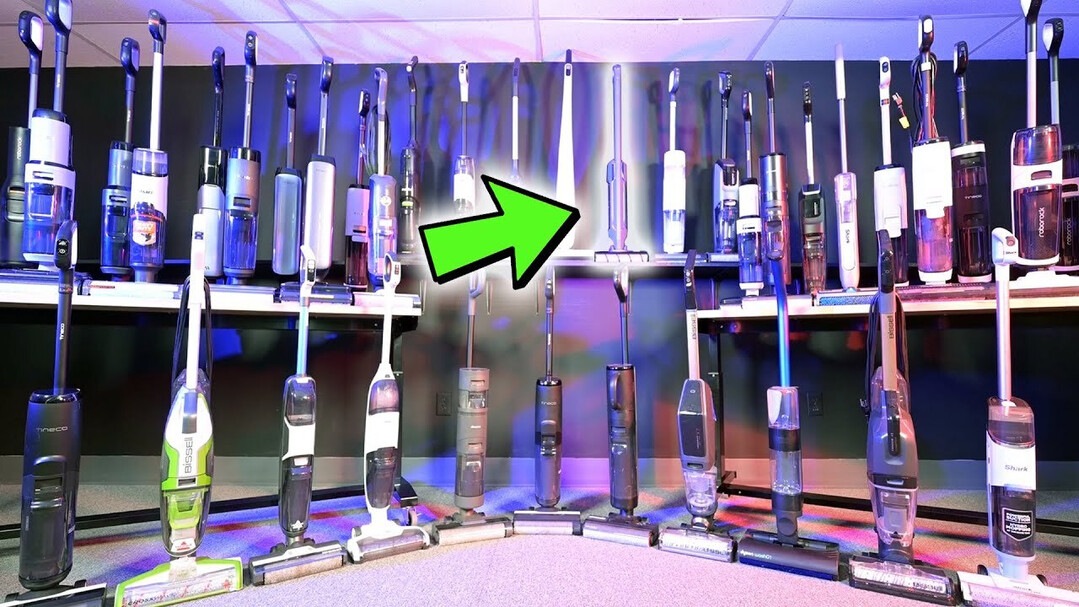
(C) Vacuum Wars
SEOUL — South Korean tech giants continue to maintain a "fortress" in the domestic cordless stick vacuum market, even as foreign competitors—particularly Chinese brands—make aggressive inroads into other home appliance sectors. According to recent industry data, domestic brands such as LG Electronics, Samsung Electronics, and Cuckoo have secured over 70% of the market share, effectively fending off global rivals.
The Market Snapshot: Stick Vacuums vs. Robot Vacuums
As of late 2025, sales figures from major domestic retailers, including Hi-Mart, ET Land, E-Mart, and Homeplus, reveal that cordless stick vacuums sold nearly twice as many units as robot vacuums. With an annual volume exceeding 2 million units, the stick vacuum segment remains the single largest category in the Korean cleaning appliance market.
While Chinese manufacturers have successfully captured over half of the robot vacuum market through aggressive pricing and LiDAR technology, they have struggled to gain a foothold in the stick vacuum sector. In this category, Chinese brands' market share remains stuck in the single digits, while American brand Shark and British pioneer Dyson follow behind the dominant Korean trio.
"When considering online markets favored by single-person households, the dominance of Korean brands is likely even higher than offline data suggests," an industry official noted. "The 'price-destruction' strategy that worked for Chinese robot vacuums simply isn't resonating with consumers in the premium stick vacuum segment."
Three Pillars of Dominance: Why Korea Wins
Industry analysts point to three critical factors—Motor Technology, Subscription Services, and After-Sales (AS) Infrastructure—as the primary reasons why global competitors cannot bridge the gap.
1. Superior Motor and Battery Engineering
The core of a cordless vacuum lies in its suction power and battery efficiency. Korean companies have maintained a significant technological lead in high-speed digital inverter motors. Products like the LG CordZero Objet Collection A9 AI showcase the integration of AI to optimize suction based on floor type, a level of refinement that budget-focused competitors have yet to match.
2. The Shift to "Care-as-a-Service"
Samsung and LG have successfully transitioned from being hardware sellers to service providers. By offering subscription models that include regular professional cleaning, filter replacements, and battery swaps, they have created a "lock-in effect." Consumers prefer the peace of mind that comes with a managed device over the one-time purchase of a cheaper foreign alternative.
3. Unrivaled Service Networks
Vacuum cleaners are high-frequency appliances prone to wear and tear. The dense network of service centers operated by Samsung and LG across South Korea provides a level of convenience that foreign brands cannot replicate. For many Korean consumers, the ability to get a battery replaced or a motor repaired within a few hours is a decisive factor.
Future Outlook: A Global Growth Engine
The battle for the floor isn't staying within Korean borders. According to Fortune Business Insights, the global stick vacuum market is projected to grow from $4.47 billion in 2026 to $7.53 billion by 2034, maintaining a steady annual growth rate of 6.7%.
As the global market expands, Korean firms are leveraging their domestic success to target premium segments in North America and Europe. By combining high-performance hardware with the "H-service" (Hardware + Service) model, K-Appliance brands are positioning themselves to lead the next generation of global home maintenance.
[Copyright (c) Global Economic Times. All Rights Reserved.]