![[등록] 2026-09-01 15:48:31](/support/_updata/banner2/tl181982910_6749.png)


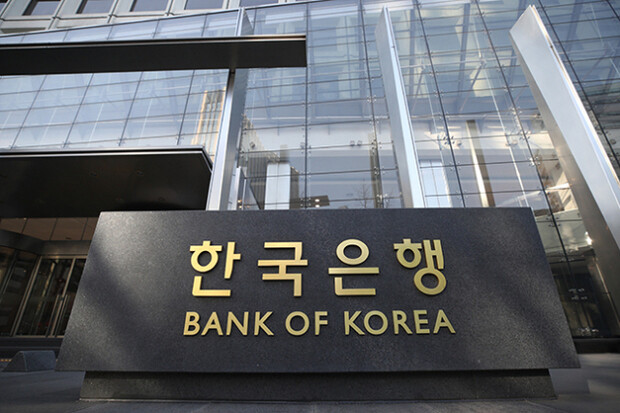
SEOUL — The Bank of Korea (BOK) announced that effective February 27, 2026, export-oriented companies will be permitted to take out foreign currency-denominated loans for domestic working capital. This marks a significant departure from long-standing regulations that prioritized "real demand" for overseas transactions.
Broadening the Scope of Liquidity
Previously, foreign currency loans were strictly limited to international transactions—such as paying for imported raw materials, purchasing overseas machinery, or funding foreign direct investment. However, following a policy shift in February 2023 that allowed loans for domestic facility investments, the BOK is now opening the doors for general operating funds.
Under the new guidelines, exporters can borrow foreign currency from domestic banks based on their export performance over the past year or their projected performance for the current year.
Strategic Market Stabilization
The BOK’s primary objective is to alleviate the upward pressure on the KRW/USD exchange rate. When exporters borrow in USD to fund domestic operations—such as payroll or domestic supplier payments—they must sell those dollars for Korean Won. This increased supply of dollars in the local market acts as a natural stabilizer for the exchange rate.
"This measure provides a dual benefit," a BOK official stated. "It offers companies more diverse financing options to lower borrowing costs while simultaneously addressing imbalances in foreign exchange supply and demand."
Impact on Financial Institutions
For commercial banks, this deregulation opens a new revenue stream. By expanding the loan portfolio for exporters, banks can diversify their interest income and strengthen relationships with high-performing corporate clients. Analysts suggest that this move will improve the overall liquidity environment for the manufacturing sector, which has been grappling with high won-based interest rates.
[Copyright (c) Global Economic Times. All Rights Reserved.]