![[등록] 2026-09-01 15:48:31](/support/_updata/banner2/tl181982910_6749.png)


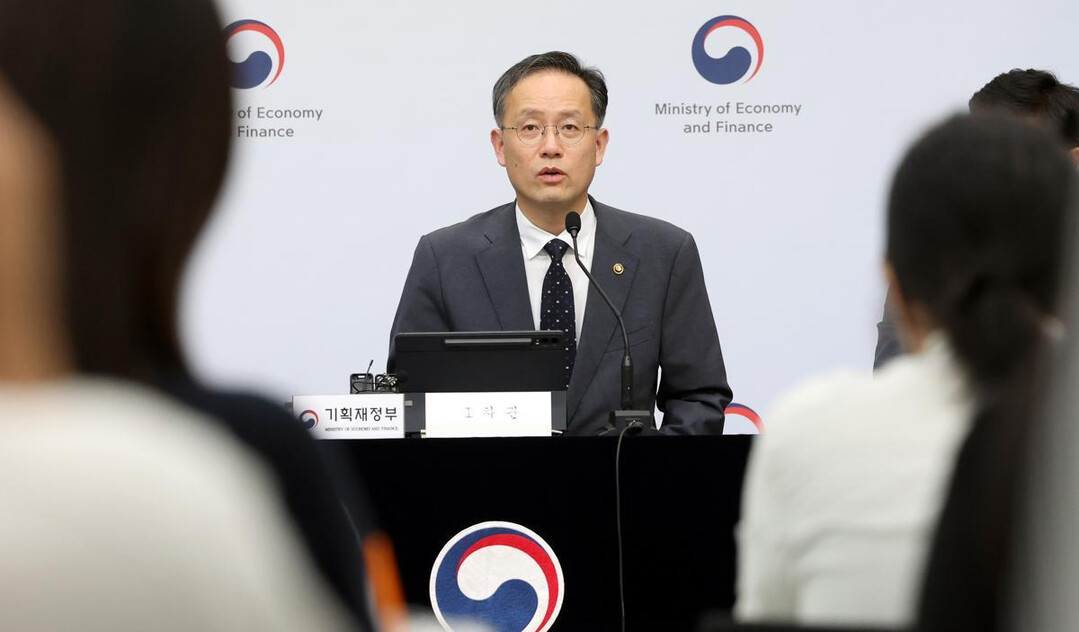
The government is set to implement a so-called "triple tax hike" on corporate tax, securities transaction tax, and stock transfer tax starting next year to secure tax revenue. On the 31st, the Ministry of Economy and Finance finalized the "2025 Tax Reform Plan," announcing a plan to largely reverse the tax cuts implemented during the Yoon Suk Yeol administration and secure an additional 35.6 trillion won in tax revenue over five years. This reform is expected to have a significant impact on the overall economy, as it is essentially a large-scale tax increase focused on corporations and high-income investors.
Corporate Tax Rate Hike and Broadened Tax Base
According to the government's tax reform plan, the corporate tax rate will be increased by 1 percentage point for each tax bracket. As a result, the current corporate tax rate, which ranges from 9% to 24%, will be applied from a minimum of 10% to a maximum of 25%. There are concerns that this tax rate increase could burden businesses, affecting investment and employment. The education tax rate for large financial and insurance companies will also be doubled from the current 0.5% to 1.0%, which is expected to further increase the burden on the financial sector. The government has justified the move by stating it aims to normalize the weakened tax base and use the secured revenue to invest in future key technologies like artificial intelligence (AI) to lay the groundwork for "real growth."
Stronger Stock Market Taxation and Lowered Major Shareholder Criteria
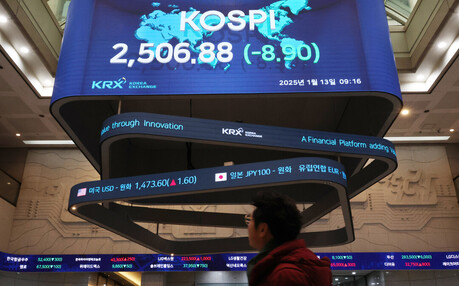
Taxes related to the stock market will also change significantly. The securities transaction tax will be increased by 0.05 percentage points, from the current 0.15% to 0.2%. This could increase the burden on individual investors who trade frequently. Furthermore, the criteria for a "major shareholder" subject to the capital gains tax on stocks will be substantially tightened. The current standard of "5 billion won in holdings per stock" will be lowered to "1 billion won," making it more likely for even middle-class stock investors to be subject to the capital gains tax. Critics argue this could dampen stock market sentiment and hinder market vitality.
Introduction of Separate Taxation for Dividend Income and Support for Advanced Industries
Despite the overall tax-hike trend, the plan also includes some policies aimed at stimulating the stock market. The government has decided to introduce a separate taxation system for stock dividend income, applying a top rate of 35%. The intention is to encourage high-net-worth individuals to invest in dividends by taxing this income separately, rather than including it in their total composite income. The reform plan also includes strengthened tax support for national strategic technologies and advanced industries, such as AI, reflecting the government's commitment to promoting growth in specific sectors.
Submission to the National Assembly and Outlook for Passage
The government's tax reform plan is scheduled to be submitted to the National Assembly in September and is expected to be processed by the end of the year. However, as it directly impacts corporations and investors, significant difficulties are anticipated during the parliamentary review. With opposition from political parties and concerns from the business community, it remains to be seen what changes the final reform plan will undergo. The government maintains that it is "necessary to normalize the tax base, which has been weakened rapidly over the past three years," but it is uncertain whether it can alleviate concerns that this tax hike will lead to a decline in economic vitality.
This tax reform plan is more than a simple tax increase; it will be a crucial indicator for gauging the direction of national fiscal management and economic policy for the next five years. Society's attention is focused on what the outcome of this reform, which will affect corporations, investors, and the public, will be.
[Copyright (c) Global Economic Times. All Rights Reserved.]