![[등록] 2026-09-01 15:48:31](/support/_updata/banner2/tl181982910_6749.png)


(C) Fox Business
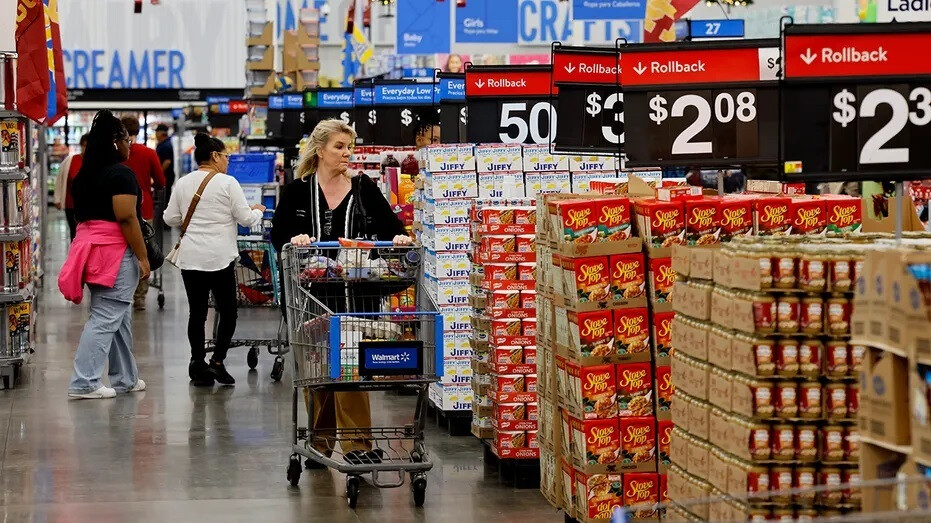
NEW YORK — U.S. consumer confidence climbed more than expected in February, reaching its highest level in months as Americans grew increasingly optimistic about the broader economy and the stability of the labor market.
According to data released Tuesday by the Conference Board, the Consumer Confidence Index rose to 91.2 in February, up from a significantly upward-revised 89.0 in January. The figure comfortably beat the consensus estimate of 87.0 among economists surveyed by Bloomberg, signaling a resilient domestic sentiment despite lingering political and inflationary pressures.
A Tale of Two Indicators: Future Hope vs. Present Reality
The report highlighted a notable divergence between how Americans view their current situation and how they envision the next six months.
The Expectations Index: This measure, which tracks the short-term outlook for income, business, and labor market conditions, surged to 72.0, marking its largest gain since last July.
The Present Situation Index: Conversely, the gauge of current business and labor market conditions saw a slight retreat, suggesting that while the "now" feels stagnant, the "tomorrow" looks much brighter to the average consumer.
Labor Market Duality and the "Trump Tariff" Factor
The labor market remains the primary anchor for consumer sentiment. The proportion of consumers stating that jobs are "plentiful" rose to 28%, a three-month high. However, the data also showed a simultaneous increase in those saying jobs are "hard to get." The "labor market differential"—a metric closely watched by economists to gauge the health of the employment sector—stood at 7.4 percentage points.
A critical backdrop to this month’s survey was the legal battle over trade policy. The survey period concluded on February 17, just before the Supreme Court’s landmark ruling to invalidate President Trump’s reciprocal tariffs. Analysts suggest that while this specific data point does not fully capture the post-ruling sentiment, the judicial decision is expected to further alleviate fears of a renewed inflationary spike driven by trade wars.
Inflation Remains the Top Concern
Despite the uptick in confidence, the shadow of the "cost of living" continues to loom large. Dana Peterson, Chief Economist at the Conference Board, noted in a statement that prices and inflation remain the dominant factors influencing consumer psychology.
"Consumers are still prioritizing their views on prices, inflation, and the cost of goods above all else," Peterson said. "However, in February, we also saw a marked increase in mentions regarding trade policy and the political climate."
Political Implications for the Midterm Elections
With the 2026 midterm elections approaching, the stability of consumer confidence serves as a vital barometer for the current administration. While the easing of tariff concerns and a steady labor market provide a "tailwind," the persistent impact of cumulative inflation over the past few years remains a sensitive point for voters.
Economists suggest that if the Expectations Index continues to climb toward the 80.0 threshold—a level usually associated with a healthy expanding economy—it could signal a shift in the political narrative from "inflationary struggle" to "economic recovery."
[Copyright (c) Global Economic Times. All Rights Reserved.]