![[등록] 2026-09-01 15:48:31](/support/_updata/banner2/tl181982910_6749.png)


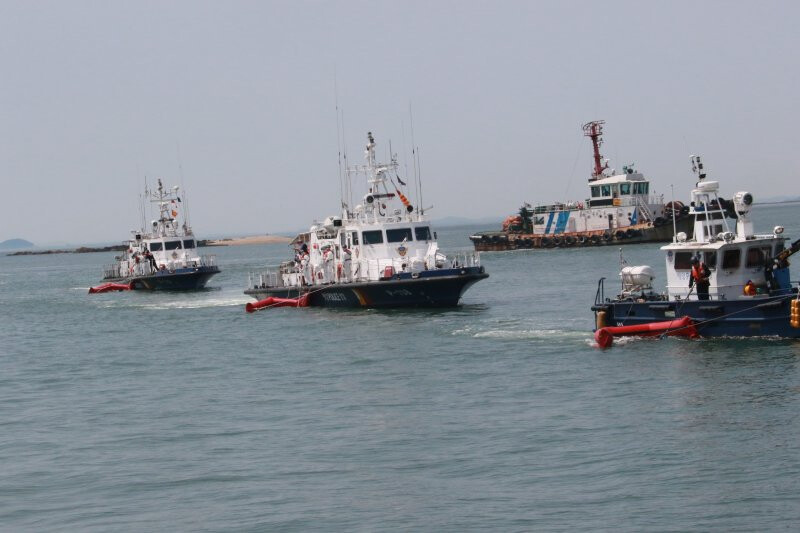
In a proactive move to mitigate the rising incidence of maritime accidents, Chungcheongnam-do province is implementing a cutting-edge artificial intelligence (AI)-based ship collision prevention system at the bustling Daecheon Port in Boryeong City. The initiative directly addresses the persistent safety challenges posed by breakwaters that create hazardous blind spots for vessels navigating the port's entry and exit channels.
The need for such a system has become increasingly apparent, as evidenced by the recent fluctuations and subsequent surge in ship accidents at Daecheon Port. While the number of incidents saw a slight dip from twelve in 2022 to eight in 2023, the following year witnessed a concerning spike to nineteen reported cases. This upward trend underscores the inherent risks associated with the port's layout and operational dynamics.
Daecheon Port features distinct eastern and western access routes. The eastern channel, characterized by its shallow waters and the presence of moored large Coast Guard vessels, is primarily utilized by larger ships. Consequently, smaller vessels, including fishing boats and passenger ferries, are predominantly confined to the western entry and exit route. It is within this western corridor that a significant safety issue arises. The existing breakwater structure obstructs the line of sight between vessels entering and departing the port, creating a notorious blind spot that has contributed to a recurring pattern of collision accidents.
Further analysis of the accident data reveals that a substantial proportion, specifically twelve out of the thirty-nine recorded incidents (representing 30.7%), were attributed to navigational negligence. This statistic has amplified calls for the installation of advanced safety infrastructure capable of reducing human error and providing real-time situational awareness to mariners.
In response to these pressing concerns and the unique challenges presented by the high volume of small vessel traffic at Daecheon Port, Chungcheongnam-do has prioritized the deployment of an AI-driven ship collision prevention system. This sophisticated technology operates by employing artificial intelligence algorithms to automatically detect and track incoming vessels. The crucial information regarding these approaching ships is then relayed in real-time to departing vessels via strategically positioned electronic display boards. This immediate and automated communication aims to eliminate the visual obstructions caused by the breakwater and provide mariners with a clear understanding of nearby traffic, thereby significantly reducing the risk of collisions.
The project has progressed swiftly, with the completion of crucial consultations with relevant maritime authorities and the necessary administrative procedures during the first quarter of the current year. With these foundational steps finalized, the physical installation of the AI-based system commenced this month. Authorities anticipate that the system will be fully operational by May, marking a significant milestone in enhancing maritime safety at Daecheon Port.
Park Sang-yong, the head of Chungcheongnam-do's Maritime and Port Division, expressed optimism about the transformative impact of this technological upgrade. "We firmly believe that the implementation of this AI-powered system will drastically improve the safety of ship operations within Daecheon Port," stated Mr. Park. He further emphasized the province's unwavering commitment to safeguarding the well-being and assets of the fishing community and all port users, pledging continued efforts to strengthen port safety measures in the future.
The introduction of this AI-based ship collision prevention system at Daecheon Port represents a significant investment in maritime safety and underscores the growing role of advanced technology in addressing complex navigational challenges. By proactively tackling the issue of blind spots and mitigating the risks associated with human error, Chungcheongnam-do is setting a precedent for other ports facing similar safety concerns and paving the way for a more secure maritime environment.
[Copyright (c) Global Economic Times. All Rights Reserved.]