![[등록] 2026-09-01 15:48:31](/support/_updata/banner2/tl181982910_6749.png)


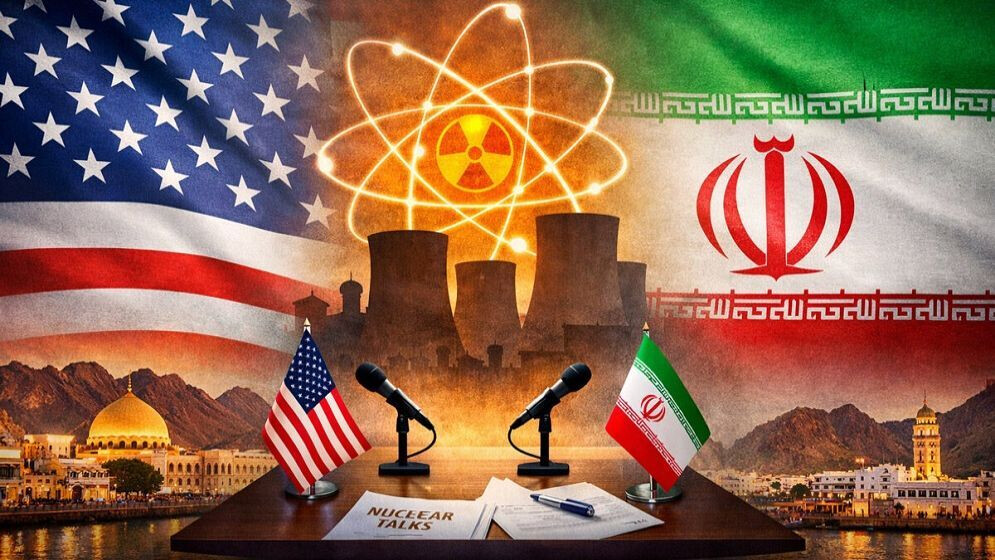
WASHINGTON D.C. – In a potentially ground-breaking shift in Middle East policy, the United States government has indicated it might consider a "peace-first" approach with Iran, potentially reaching a preliminary agreement even before the complete resolution of Iran’s controversial nuclear program.
Chris Wright, the U.S. Secretary of Energy, expressed a surprisingly flexible stance during an interview with NBC on May 10 (local time). When pressed on whether the U.S. could agree to a short-term deal that does not immediately dismantle Iran’s nuclear capabilities, Wright stated, "While it is difficult to commit to the exact label of an 'interim agreement,' we are very clear about our ultimate objectives."
However, when further questioned if an interim deal remains on the table despite lingering concerns over uranium enrichment, Wright admitted, "There is certainly a possibility of that," signaling that the administration might prioritize immediate regional stability and the cessation of hostilities.
The Dual Goal: Nuclear End and Maritime Freedom
Secretary Wright emphasized that the administration’s North Star remains the total cessation of Iran’s nuclear weapons ambitions and ensuring the freedom of navigation through the Strait of Hormuz—a vital artery for global energy supplies. He took a sharp tone against Tehran’s claims that its enrichment activities are for peaceful energy purposes, labeling such assertions as "complete nonsense" and "lies."
Despite this rhetoric, the willingness to entertain an interim step suggests a pragmatic turn in the Trump administration's "maximum pressure" strategy, possibly aimed at cooling down regional tensions that have kept energy markets on edge.
Mixed Signals Over Iran’s Response
The diplomatic front remains clouded by conflicting reports. While Iran’s state-run IRNA news agency claimed that a formal response to U.S. proposals had been delivered via Pakistan, Secretary Wright countered this, stating he does not believe a "clear resolution" or response has been received yet.
Wright attributed this disconnect to the "complex factional infighting" within the Iranian regime. "The situation is moving slowly because the regime is under intense internal and external pressure," Wright noted, suggesting that Tehran’s leadership may be struggling to form a unified front for negotiations.
Economic Relief: Tackling Gas Prices
Domestically, the Energy Secretary is facing immense pressure to curb soaring inflation and rising fuel costs. With gasoline prices hovering above $4 per gallon, American consumers are feeling the pinch ahead of the summer travel season.
While Wright declined to give a specific timeline for when prices might drop below the $3 mark, he linked the solution directly to foreign policy. "Once navigation in the Strait of Hormuz is fully secured and free, global energy prices will naturally decline," he predicted.
Furthermore, Wright voiced strong support for a temporary suspension of the federal gasoline tax (currently $0.18 per gallon). "This administration supports every possible measure to lower prices at the pump and provide relief to American families," he said. This move is seen as a key part of the administration's broader strategy to stabilize the domestic economy while navigating the volatile geopolitical landscape of the Middle East.
A High-Stakes Gamble
The hint of an interim deal marks a critical juncture. Critics argue that any agreement failing to address nuclear enrichment immediately could allow Iran to stall for time. Proponents, however, see it as a necessary step to prevent a wider conflict and stabilize the global economy. As the world watches the Strait of Hormuz and the diplomatic backchannels in Islamabad, the next few weeks will determine if this newfound flexibility leads to a historic breakthrough or further stalemate.
[Copyright (c) Global Economic Times. All Rights Reserved.]