• 2026.10.23 (Fri)
  • All articles
  • LOGIN
  • JOIN
Global Economic Times
[등록] 2026-09-01 15:48:31
  • Synthesis
  • World
  • Business
  • Industry
  • ICT
  • Distribution Economy
  • Well+Being
    • Pet Life
    • Halal Horizon
  • Travel
  • Eco-News
  • Education
  • Korean Wave News
  • Opinion
  • Arts&Culture
  • Sports
  • People & Life
    • International Student Report
    • With Ambassador
  • Column
    • Cho Kijo Column
    • Cherry Garden Story
    • Ko Yong-chul Column
    • Kim Seul-Ong Column
    • Lee Yeon-sil Column
  • Photo News
  • New Book Guide
MENU
 
Home > Business

Navigating China’s New Export Control Regime: A Compliance Guide for Japan-Related Supply Chains

Eugenio Rodolfo Sanabria Reporter / Updated : 2026-10-23 06:00:23
  • -
  • +
  • Print


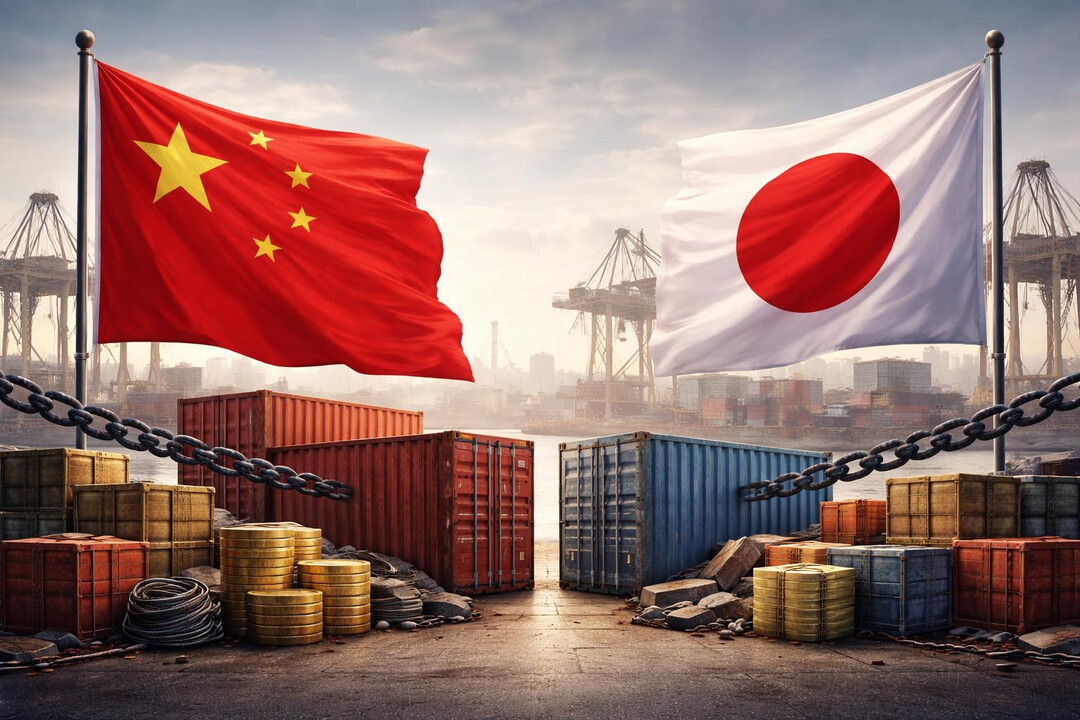
In early 2026, China’s Ministry of Commerce (MOFCOM) placed 80 Japanese entities on export control lists and watch lists, marking a decisive shift toward a refined, tiered approach in managing dual-use exports to Japan. For companies operating within these supply chains, the message is clear: reactive responses must be replaced by proactive compliance.

Understanding the Current Policy Framework

China’s export control regime, anchored by the Export Control Law and the Regulations on Export Control of Dual-Use Items, relies on a framework of “tiered entity lists plus key items.”

-Controlled List Regime: Notices No. 11 and No. 27 of 2026 placed 40 Japanese entities on a controlled list for allegedly enhancing Japan’s military capabilities. Exports of dual-use items to these entities are strictly prohibited, and overseas parties are barred from transferring China-origin dual-use items to them.
-Watch List Regime: Notices No. 12 and No. 28 placed another 40 entities on a watch list. These are subject to stringent reviews, and approvals will be denied for any items involving military end users, uses, or enhancements.
-General Military-Related Controls: Under Notice No. 1, exports are similarly prohibited to unlisted end users if the transaction involves military applications or enhances Japan’s military capabilities.
-Key Items Control: Notice No. 26 established detailed mechanisms for handling violations involving dual-use strategic minerals, signaling a major regulatory priority.

Core Compliance Challenges

Companies face four major hurdles under the updated rules. First, item classification is complex, spanning chemical, aerospace, and advanced electronics, leaving firms struggling between under-control and blanket bans. Second, end-user and end-use tracing is difficult due to multi-layered transaction chains. Third, lack of licensing experience often leads to application rejections or penalties. Finally, third-party resale risks remain high, as routing goods through third countries still carries severe legal liabilities.

Choosing the Right Compliance Path

Crucially, these rules do not constitute a blanket ban on exports to Japan. Purely civilian exports unrelated to military users or listed entities can proceed normally. Companies should establish robust internal mechanisms based on transaction risk.

Item Identification: Technical teams must carefully verify product specifications, parameters, and technologies against the dual-use control list. When in doubt, firms should consult third-party experts or MOFCOM.
Risk Screening: Establish systematic end-user screening using public sources, third-party databases, and local due diligence. Contracts must incorporate explicit end-use warranties, compliance undertakings, and breach remedies.
Licensing Discipline: For permissible dual-use exports, companies must allow ample time for licensing. Submitting truthful, accurate documentation is vital; concealing facts risks severe administrative or criminal penalties.
Ultimately, proactive risk management and meticulous compliance are no longer optional—they are essential for survival in Japan-related supply chains.

[Copyright (c) Global Economic Times. All Rights Reserved.]

  • #Cherry Garden
  • #HalalFood
  • #Halal
  • #Petlife
  • #Halalhorizone
  • #Hormuz Impasse
  • #globaleconomictimes
  • #micorea
  • #mykor
Eugenio Rodolfo Sanabria Reporter

Popular articles

  • AMD CEO Lisa Su Meets with Samsung and SK Hynix Chiefs, Sparking HBM Partnership Hopes

  • "Targeting Chinese Consumer Tastes" Beijing Hyundai to Launch 'Ioniq V' in China on the 29th

  • AI Companies Rush to Go Public, But Face Sudden Brakes Amid Cooling Investor Sentiment

I like it
Share
  • Facebook
  • X
  • Kakaotalk
  • LINE
  • BAND
  • NAVER
  • https://globaleconomictimes.kr/article/1065560320862356 Copy URL copied.
Comments >

Comments 0

Weekly Hot Issue

  • Chungnam Accelerates Removal of Pine Wilt Disease-Infected Trees
  • Chungnam Province Hosts 'Excellent Traditional Markets Fair' to Boost Local Vitality and Promote Market Appeal
  • Gyeryong to Bolster Defense Institution Recruitment, Expand Industrial & Transportation Infrastructure
  • Sejong City Successfully Operates Healing Program at Healing Forest for Civil Service Workers
  • Forest Tending Byproducts Turned into Firewood to Share Neighborly Love
  • From Waste to Worth: The 8th Sejong Resource Circulation Festival Opens

Most Viewed

1
Samsung Electronics Enters the 100 Trillion Won Quarterly Operating Profit Era
2
US Pushes to Deploy Special Task Force to the Korean Peninsula—Is It Also Targeting China?
3
HMM Relocates Headquarters to Busan: A New Era for South Korea's Flagship Carrier
4
McDonald's Korea Expands and Relocates Headquarters to Booyoung Taepyeong Building in Taepyeong-ro
5
Cheonan Secures 'Excellence' Award at South Chungcheong Province's 13th Cadastral and Drone Surveying Competition
체리가든 스토리
nutri huevos
로타리
동포저널

Hot Issue

US Eighth Army Commander Signals Shift: US Forces in South Korea Ready for Regional Deployments Beyond Peninsula

"Too Popular for Our Own Good": Japan's Matcha Boom Brings Surging Exports and Looming Industry Crises

Democrats Lead GOP by 10 Points Ahead of Midterms as Trump’s Approval Hits Record Low 

Fashion Runway Show 2026

Let’s recycle the old blankets in Jeju Island’s closet instead of incinerating them.

Global Economic Times
korocamia@naver.com
CEO : LEE YEON-SIL
Publisher : KO YONG-CHUL
Registration number : Seoul, A55681
Registration Date : 2024-10-24
Youth Protection Manager: KO YONG-CHUL
Singapore Headquarters
5A Woodlands Road #11-34 The Tennery. S'677728
Korean Branch
Phone : +82(0)10 4724 5264
#304, 6 Nonhyeon-ro 111-gil, Gangnam-gu, Seoul
Copyright © Global Economic Times All Rights Reserved
  • 향기네무료급식
  • APEC2025
  • 반달곰 프로젝트
Search
Category
  • All articles
  • Synthesis
  • World
  • Business
  • Industry
  • ICT
  • Distribution Economy
  • Well+Being 
    • 전체
    • Pet Life
    • Halal Horizon
  • Travel
  • Eco-News
  • Education
  • Korean Wave News
  • Opinion
  • Arts&Culture
  • Sports
  • People & Life 
    • 전체
    • International Student Report
    • With Ambassador
  • Column 
    • 전체
    • Cho Kijo Column
    • Cherry Garden Story
    • Ko Yong-chul Column
    • Kim Seul-Ong Column
    • Lee Yeon-sil Column
  • Photo News
  • New Book Guide
  • Overseas Koreans
  • Multicultural News