![[등록] 2026-09-01 15:48:31](/support/_updata/banner2/tl181982910_6749.png)


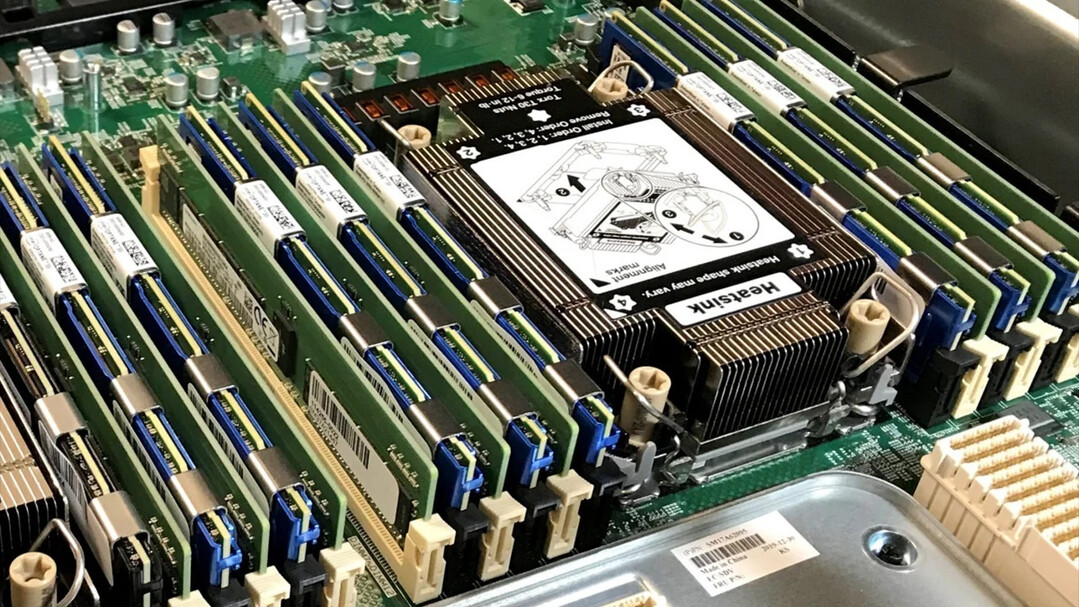
(C) Reddit
SEOUL — The global consumer electronics market is bracing for a "price shock" as memory semiconductor costs skyrocket. According to the latest report from market research firm Gartner on February 27, 2026, global shipments of PCs and smartphones are projected to plummet to their lowest levels in over a decade.
The 130% Surge: Why Your Next Device Will Cost More
Gartner forecasts that combined prices for DRAM and Solid-State Drives (SSDs) will surge by 130% by the end of this year. This unprecedented hike is primarily driven by the "AI Black Hole"—hyperscale data centers and AI server manufacturers (such as NVIDIA and Microsoft) are outbidding consumer electronics vendors for limited high-performance memory supply.
Consequently, manufacturers like Samsung, LG, Dell, and HP are being forced to pass these costs on to consumers:
Average PC Prices: Expected to rise by 17%.
Average Smartphone Prices: Expected to rise by 13%.
"Memory has shifted from a low-cost commodity to a luxury input," said Ranjit Atwal, Senior Director Analyst at Gartner. "In 2025, memory accounted for about 16% of a PC's total manufacturing cost (BOM). This year, that figure will jump to 23%, leaving almost no margin for manufacturers to absorb the costs."
The "Death" of the Budget Segment
The most alarming trend is the rapid evaporation of the affordable device market. Gartner warns that the sub-$500 (approx. 700,000 KRW) entry-level PC market could virtually disappear by 2028.
In the smartphone sector, the demand for budget-friendly models is falling five times faster than for premium devices. As the "digital divide" widens, price-sensitive consumers are increasingly turning to refurbished or second-hand products rather than buying new, lower-tier models that no longer offer value for money.
Long-Term Impact: The 20% Extension in Replacement Cycles
As prices climb, the "replace-every-two-years" era is fading. Gartner estimates:
Enterprise PC lifespans will increase by 15%.
Consumer PC lifespans will stretch by 20%.
While this helps consumers save money in the short term, IT experts warn of a "hidden cost": security risks. Older devices are more vulnerable to cyberattacks and are less capable of running the latest on-device AI features, which were supposed to be the industry’s next big growth engine.
AI PCs: A Delayed Revolution?
The industry pinned its hopes on the "AI PC" to revitalize the market. However, the memory shortage is creating a paradox: AI features require more RAM, but the high cost of RAM makes these devices prohibitively expensive. Gartner now predicts that the 50% market penetration of AI PCs will be delayed until at least 2028.
Strategic Shift for Manufacturers
Gartner advises manufacturers and retailers to focus on margin defense rather than volume. With shipment volumes for PCs expected to drop by 10.4% and smartphones by 8.4% this year, the mantra for 2026 is "survival of the fittest." Companies are expected to prioritize high-margin premium AI devices, catering to a smaller but wealthier segment of the market that is less sensitive to price fluctuations.
[Copyright (c) Global Economic Times. All Rights Reserved.]