![[등록] 2026-09-01 15:48:31](/support/_updata/banner2/tl181982910_6749.png)


(C) Ynetnews
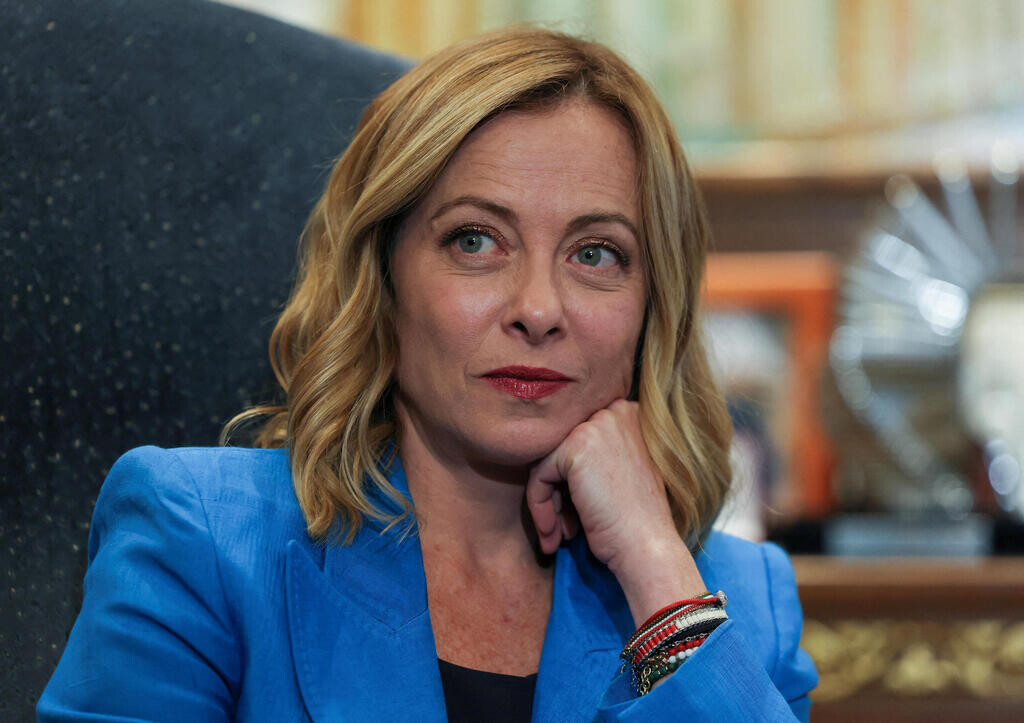
ROME – Italian Prime Minister Giorgia Meloni has signaled a contentious path for the upcoming European Union (EU) summit, casting doubt on two of the bloc’s most critical agendas: the free trade agreement (FTA) with South American nations and the utilization of frozen Russian assets to support Ukraine.
The "Russian Asset" Conundrum
Speaking before the Italian Parliament on Wednesday, Meloni expressed deep reservations regarding the EU's plan to use interest or principal from frozen Russian sovereign assets to fund a massive €90 billion (approx. $98 billion) loan for Ukraine.
While reaffirming her stance that "pressure on Russia must continue," Meloni cautioned that the legal mechanism is "anything but simple." She demanded clear explanations from the EU regarding potential retaliatory measures from Moscow and the long-term impact on national budgets.
Italy’s hesitation mirrors concerns held by Belgium, where the majority of the €185 billion in frozen assets are held by the central securities depository, Euroclear. Critics fear that seizing these assets could undermine the Euro’s status as a reserve currency and lead to unpredictable legal challenges.
Stalling the EU-Mercosur Trade Deal
Meloni also applied the brakes on the long-negotiated FTA between the EU and Mercosur (Brazil, Argentina, Uruguay, and Paraguay). Despite pressure from nations like Germany to finalize the deal, Meloni argued that signing the agreement within the next few days would be "premature."
The Stickler: Agricultural protection. Meloni emphasized that Italy would only approve the deal if "sufficient mutual guarantees" for the domestic agricultural sector are included.
The Timeline: She suggested that while Italy is not fundamentally opposed, the necessary conditions for approval might only be met in early 2025.
Strategic Leverage or Political Isolation?
Diplomats and analysts are divided on whether Meloni’s "My Way" approach is a genuine policy shift or a calculated maneuver to extract concessions for Italy in the EU budget.
A high-ranking European diplomat told the Financial Times that the message to Meloni is clear: "She needs to act like a European and join the program." Some experts suggest Meloni’s hesitation regarding Ukraine funding might be a "nod" to U.S. President-elect Donald Trump, whose incoming administration has signaled a more skeptical approach to Ukrainian aid.
However, Nathalie Tocci, director of the Institute of International Affairs in Rome, believes Meloni will eventually align with the bloc. "Refusing the use of Russian assets would be perceived as acting against European interests," Tocci noted, suggesting that the cost of isolation for Italy remains too high.
What’s at Stake?
As the EU leaders prepare to meet, the "Meloni Enigma" looms large. If Italy maintains its veto, the EU risks appearing fractured at a time when geopolitical stability—both in Eastern Europe and in global trade—is under immense strain. For now, the prospect of a unanimous breakthrough on these landmark deals remains "hidden in the mist."
[Copyright (c) Global Economic Times. All Rights Reserved.]