![[등록] 2026-09-01 15:48:31](/support/_updata/banner2/tl181982910_6749.png)


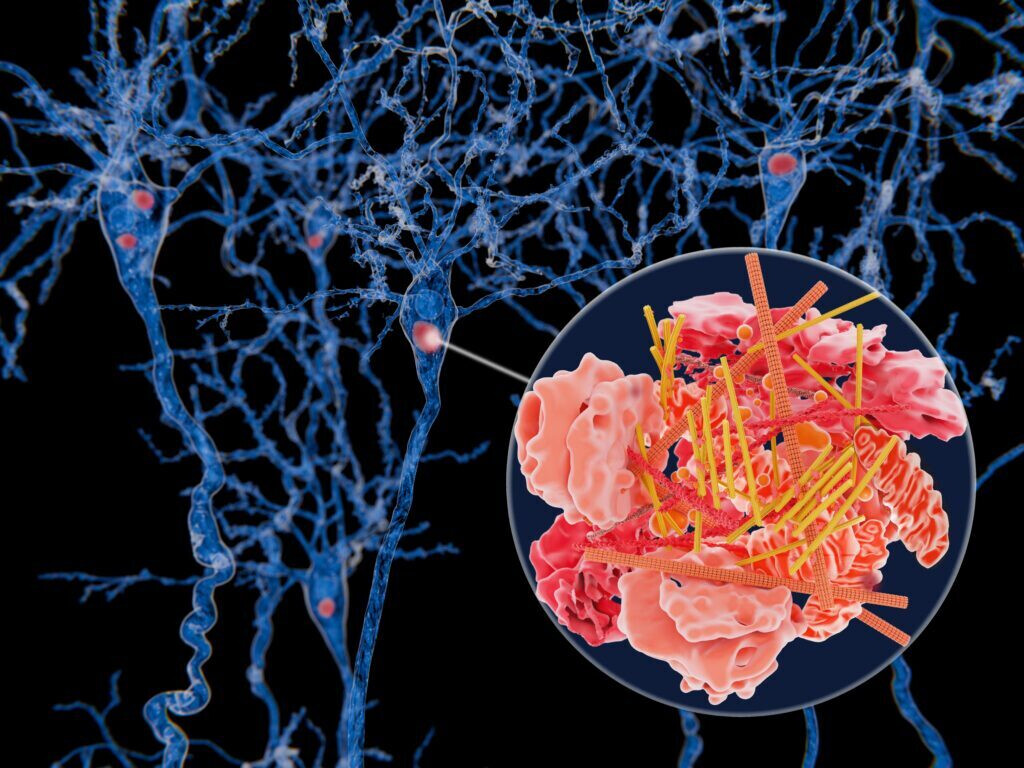
Dementia with Lewy Bodies (DLB), widely recognized as the second most common neurodegenerative dementia following Alzheimer's disease, has long puzzled the medical community due to its vast heterogeneity. Patients suffering from DLB exhibit a wide array of symptoms—such as visual hallucinations, REM sleep behavior disorders, and fluctuating cognitive function—while displaying vastly different clinical progression rates. Recently, a collaborative research team led by Professors Jung Suk-joo from the Department of Neurology at Severance Hospital and Park Chan-wook from the Department of Physiology at Yonsei University College of Medicine has shed light on this enigma. Published in the prestigious international neuroscience journal Brain, their groundbreaking study reveals that DLB progresses through two distinct pathological pathways based on the initial sequence of brain changes: the amyloid-first pathway and the dopamine-first pathway.
To decode the chronological sequence of these neural alterations, the research team analyzed 83 DLB patients. They comprehensively examined amyloid positron emission tomography (PET) scans, dopamine transporter PET imaging, and brain perfusion metrics to evaluate amyloid accumulation, cerebral blood flow reduction, and basal ganglia dopamine deficiency. Utilizing advanced artificial intelligence-based analytical techniques, the investigators mapped out the precise trajectory of disease evolution.
The analysis uncovered two clear, divergent disease trajectories. The first pathway, designated as the "amyloid-priority type," begins with the primary accumulation of beta-amyloid proteins in the brain, followed sequentially by a reduction in cerebral perfusion and subsequent dopamine depletion in the basal ganglia. Conversely, the second pathway, termed the "dopamine-priority type," initiates with a primary deficit in basal ganglia dopamine, which is later succeeded by cerebral hypoperfusion and amyloid protein accumulation.
Crucially, these two developmental routes are not merely academic distinctions; they translate into distinct clinical presentations and neuroimaging profiles. Patients in the amyloid-first group exhibit a pattern of brain atrophy and high amyloid burden remarkably similar to that observed in Alzheimer's disease. In contrast, patients belonging to the dopamine-first group manifest a higher prevalence of characteristic DLB symptoms, including REM sleep behavior disorders and vivid visual hallucinations. Furthermore, this second group preserves specific brain regions more effectively, displaying the classic neuroimaging hallmarks traditionally associated with pure Lewy body disease.
The clinical significance of this research extends far beyond explaining individual symptom variability. As Professor Jung Suk-joo emphasized, identifying these two concrete pathological trajectories provides a fundamental framework for understanding why DLB patients follow such drastically different clinical courses. Looking forward, this classification opens new horizons for precision medicine. By enabling clinicians to tailor therapeutic strategies based on an individual patient's unique pathological profile, this discovery is expected to profoundly optimize future clinical trial designs and targeted treatments for neurodegenerative disorders.
To provide a broader context on Dementia with Lewy Bodies, understanding the underlying cellular pathology is vital. DLB is pathologically defined by the abnormal intracellular aggregation of alpha-synuclein proteins, known as Lewy bodies, which lead to progressive neuronal dysfunction and cellular death. Because alpha-synuclein pathology frequently overlaps with Alzheimer-type beta-amyloid plaques and tau tangles, mixed pathologies are common in elderly dementia patients. This overlapping burden often blurs clinical boundaries, making the separation of amyloid-dominant versus dopamine-dominant trajectories a crucial leap forward in neuro-geriatrics.
Furthermore, early and accurate differential diagnosis remains one of the greatest challenges in managing neurodegenerative diseases. While Alzheimer's disease predominantly targets memory networks via medial temporal lobe degeneration, DLB affects attentional, visuospatial, and motor networks due to nigrostriatal dopaminergic loss. The dual-pathway model proposed by the Severance Hospital team bridges the gap between these overlapping syndromes. It explains why some patients present primarily with cognitive decline mimicking Alzheimer’s disease early on, while others present primarily with motor symptoms, fluctuations, and psychiatric features typical of Lewy body disorders.
Ultimately, this study marks a paradigm shift from a "one-size-fits-all" approach to a nuanced, biomarker-driven classification of dementia. As medical science moves steadily toward personalized medicine, recognizing whether a patient follows an amyloid-first or dopamine-first trajectory will empower healthcare providers to forecast disease progression more accurately, manage caregiver expectations, and deploy disease-modifying interventions at the most optimal window of therapeutic opportunity.
[Copyright (c) Global Economic Times. All Rights Reserved.]