![[등록] 2026-09-01 15:48:31](/support/_updata/banner2/tl181982910_6749.png)


(C) Global South Forum
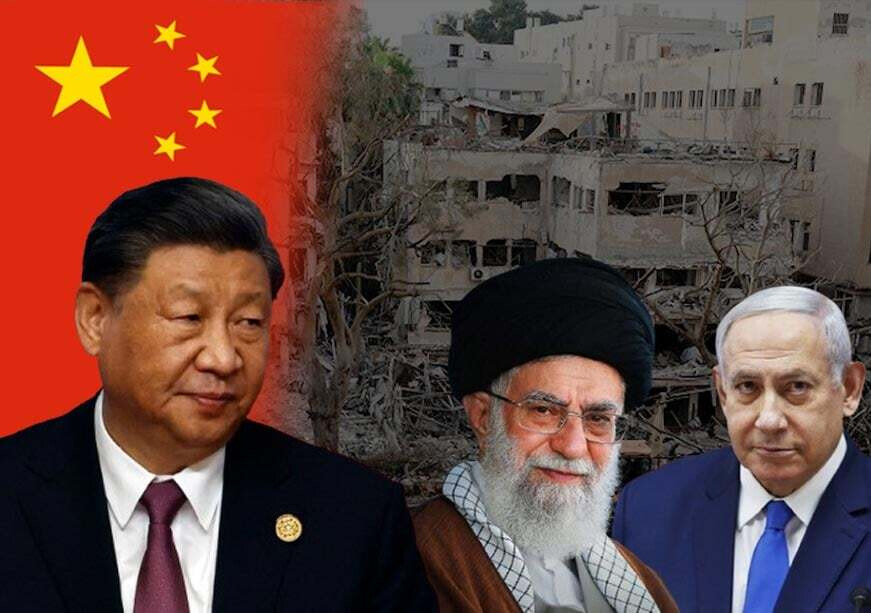
BEIJING — As the conflict between Iran and Israel escalates, sending shockwaves through global energy markets, an unexpected beneficiary is emerging from the turmoil: China. While the "Great Energy Crisis of 2026" has crippled manufacturing hubs across Southeast Asia, China’s strategic energy reserves and diversified supply chains are allowing its factories to hum while competitors fall silent.
According to a report by the Financial Times, the effective blockade of the Strait of Hormuz and targeted strikes on energy infrastructure in the Middle East have decimated the global supply of oil and gas. However, the impact on the world’s second-largest economy has been notably less severe, triggering a shift in global trade flows back toward Chinese shores.
The "Energy Fortress" Strategy
The primary reason for China’s resilience lies in its long-term energy security policy. Unlike neighbors such as Vietnam, Thailand, and Indonesia—which remain heavily dependent on Middle Eastern crude—China has spent the last decade aggressively diversifying its intake.
"China’s long-term energy strategy, focused on investment in renewables, diversification of import sources, and the establishment of strategic stockpiles, allows it to absorb shocks better than its peers," said Yu Xiangrong, an economist at Citigroup.
Furthermore, a unique geopolitical dynamic is at play: while Iran has choked off transit for much of the world, it continues to supply crude to its strategic ally, Beijing. This "energy lifeline" ensures that Chinese industrial hubs in Jiangsu and Zhejiang provinces remain powered even as global oil prices skyrocket.
A Reverse "China Plus One"
For the past few years, the "China Plus One" strategy dominated global boardrooms, as Western companies moved production to Southeast Asia to avoid U.S. tariffs and geopolitical risks. The Iran war is abruptly reversing that trend.
In Ningbo, a major industrial hub, manufacturers are reporting a surge in inquiries from American and European clients. "The demand has increased sharply," said Mr. Huang, owner of an electronic components factory. "We are now entering concrete price negotiations with clients who, just months ago, were looking to exit China entirely."
The shift is driven by reliability. The energy crisis has led to rolling blackouts and logistical delays in Vietnam and Cambodia. For many Western retailers, the certainty of Chinese production now outweighs the cost of U.S. tariffs. A logistics manager in Hangzhou noted that several clients are already rerouting orders originally destined for Southeast Asia back to Chinese factories to ensure delivery schedules are met.
Upgraded Growth Projections
Reflecting this shift, Capital Economics recently revised its 2026 export growth forecast for China from 5% to 6%. Julian Evans-Pritchard, a China specialist at the firm, noted that China is in a "highly advantageous position to capture global market share," primarily because its energy costs are not rising at the same trajectory as those of its competitors.
The Double-Edged Sword: Cost Push Inflation
Despite the gains in market share, the outlook is not without significant risks. The same energy crisis fueling China's relative dominance is also driving up the cost of raw materials.
China’s manufacturing sector has struggled with deflationary pressures and thinning profit margins for years. The recent March Manufacturing Purchasing Managers' Index (PMI) published by Ratingdog (formerly Caixin) reflected this tension. The index fell to 50.8, down from 52.1 in February, missing market expectations.
"Cost pressures have risen significantly, and supply chains are facing clear disruptions," said Yao Yu, founder of Ratingdog. He warned that "imported inflation" from high oil prices would continue to test the resilience of Chinese manufacturers through April.
The Long View
The sustainability of this "export windfall" remains tethered to the duration of the conflict. While China currently enjoys a competitive advantage due to its energy stability, a prolonged global recession triggered by high oil prices could eventually dampen the very demand China is currently rushing to fill.
For now, however, the world’s "Factory of the World" is proving that its massive investments in energy infrastructure and strategic diplomacy have created a buffer that its regional rivals simply cannot match. As the Middle East burns, China’s industrial engine is proving surprisingly difficult to extinguish.
[Copyright (c) Global Economic Times. All Rights Reserved.]