![[등록] 2026-09-01 15:48:31](/support/_updata/banner2/tl181982910_6749.png)


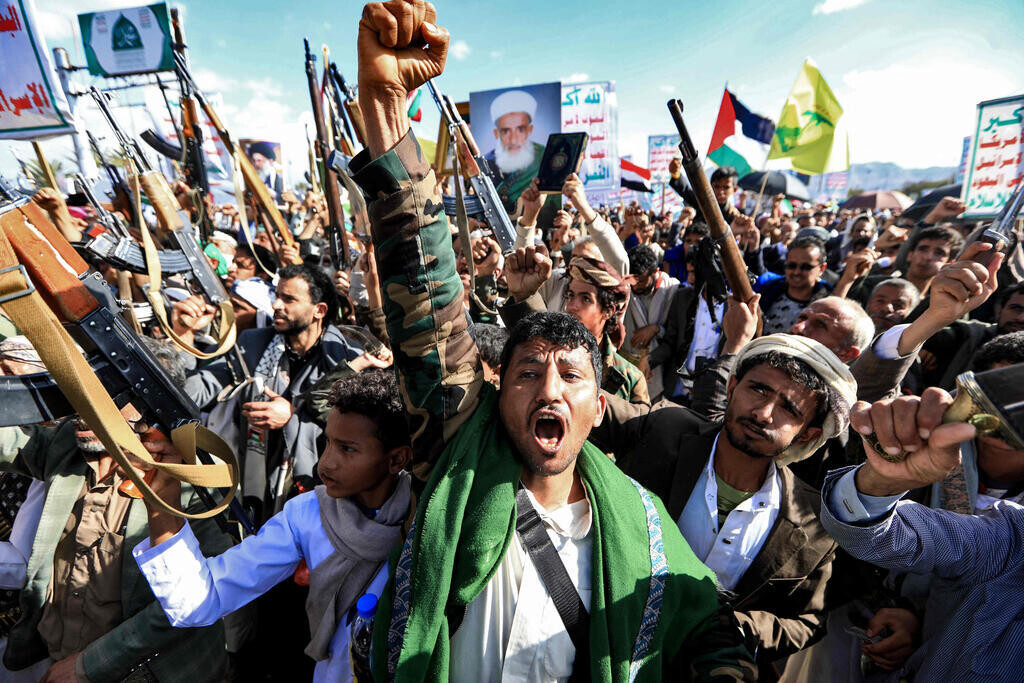
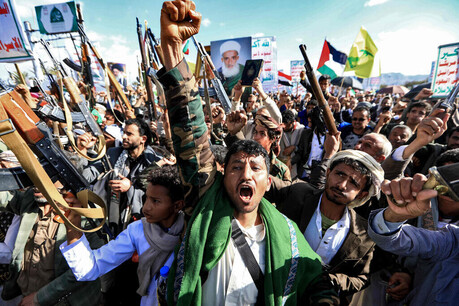
Saudi Arabia finds itself trapped in a profound strategic dilemma as relentless offensives by Yemen's Iran-backed Houthi rebels and allied proxy forces threaten the kingdom's critical infrastructure, including vital oil export routes. According to a recent CNN analysis, Riyadh is caught between the perils of a full-scale military confrontation and the compromises of diplomatic negotiation, with neither path offering a safe resolution.
Recent escalations by Iran-aligned networks have significantly heightened security risks for the kingdom. Houthi forces have pushed aggressively toward strategic locations near the Bab el-Mandeb strait—such as the port city of Mocha and Perim Island (Mayun Island)—effectively jeopardizing Saudi oil transit corridors. Furthermore, the kingdom’s East-West pipeline recently suffered a temporary shutdown following a drone strike launched from Iraq, an attack attributed to regional pro-Iranian militias.
Despite mounting provocations, Saudi Arabia has struggled to chart a decisive course of action. Firas Maksad, a Middle East director at Eurasia Group, told the Financial Times that the kingdom cannot afford to surrender to Houthi demands, yet it equally cannot sustain an escalation capable of safeguarding half of Saudi Aramco's production capacity. This leaves Riyadh facing a severe policy paradox.
Embarking on a full-scale war carries immense costs and risks. Analysts suggest that Riyadh is unlikely to act unilaterally without robust backing from international allies. Cinzia Bianco, a visiting fellow at the European Council on Foreign Relations, warned that if Saudi Arabia chooses a high-stakes military intervention, it risks bogging the nation down in an endless quagmire mirroring the broader Yemeni civil war.
At the same time, a mutual defense pact signed last month in Mecca between Saudi Arabia, Pakistan, and Turkey has failed to exert significant leverage in the current crisis. While the agreement stipulates that an armed attack on one nation is considered an attack on all three, experts note that military intervention by Islamabad or Ankara remains highly improbable under current circumstances.
As military options narrow, exploring diplomatic channels presents its own political costs. Even if Riyadh manages to strike a deal with the Houthis, it would face heavy political repercussions. The Houthis have publicly insisted they will continue their offensive until Saudi Arabia completely lifts its blockade. Regional analysts argue that accepting Houthi terms would amount to a humiliating concession close to unconditional surrender.
Alternative diplomatic avenues, such as mediation through neighboring states or China, also face steep hurdles. Barbara Leaf, a former U.S. Assistant Secretary of State for Near Eastern Affairs, suggested that Riyadh might seek an "uncomfortable series of arrangements" by cooperating with regional neighbors and Iran to de-escalate tensions. However, recent setbacks—such as the sudden cancellation of scheduled foreign ministerial talks between Iran and Gulf Cooperation Council states—underscore the deep volatility of regional diplomacy.
Despite these diplomatic barriers, some analysts believe that persistent Houthi provocations could ultimately drive Riyadh to accept all risks and plunge into a wider war. Salman Al-Ansari, a Saudi geopolitical analyst, pointed out that military operations by the Saudi-backed Yemeni government against the Houthis are already underway and expected to intensify significantly in the coming days and hours.
Adding to Riyadh's vulnerability is the hesitant stance of the United States. According to reports from Axios, Saudi Crown Prince Mohammed bin Salman urged former/current U.S. leadership to strike the Houthis, only to face resistance. With domestic political pressures mounting, Washington remains reluctant to deepen its footprint in Middle East conflicts, leaving Saudi Arabia to navigate its most severe security crisis in years largely on its own.
[Copyright (c) Global Economic Times. All Rights Reserved.]