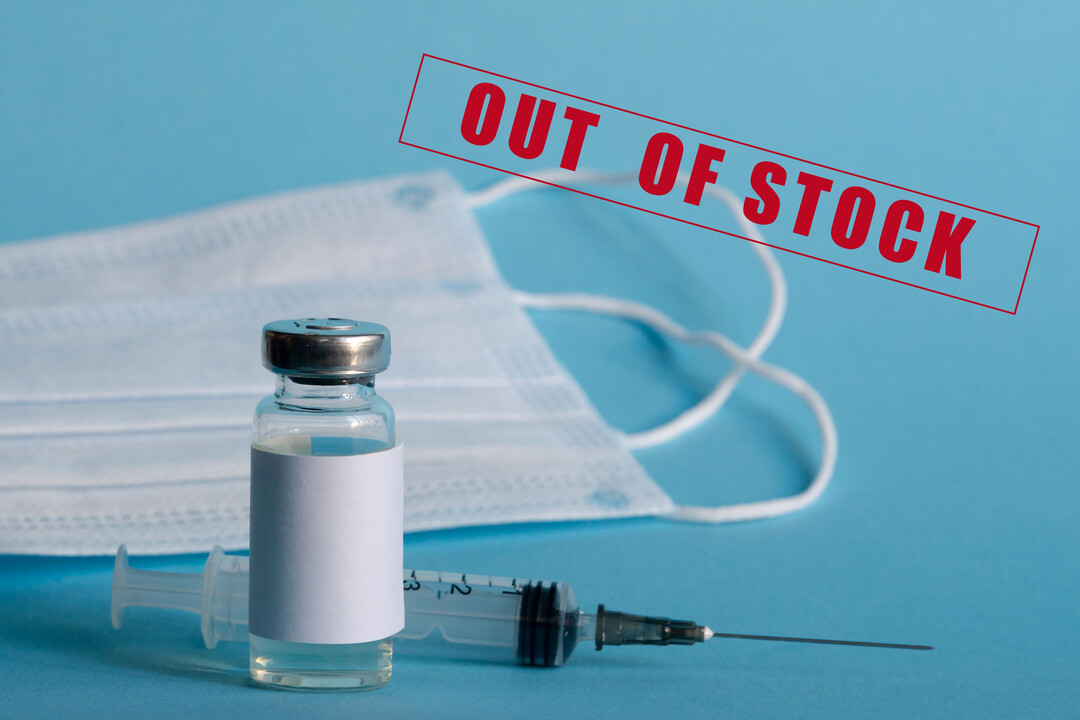
Low-cost essential anticancer drugs, which have been responsible for treating patients with blood cancers such as leukemia and lymphoma for decades, are facing consecutive production halts and stockouts due to worsening profitability, raising a sense of crisis in clinical settings.
Experts point out that since designating them as National Essential Medicines alone cannot guarantee supply stability, expanding the designation of "Supply-Suspension Prevention Drugs" and bold drug price realization (upward adjustment) are urgent.
The Korean Society of Hematology (KSH) urged the stabilization of essential anticancer drug supplies and the improvement of insurance reimbursement for rare and high-priced blood cancer treatments during a press conference at its Autumn Academic Conference on the 20th.
Kim Dae-sik, Insurance Director (Professor of Hemato-oncology at Korea University Guro Hospital), stated that more than eight types of essential blood cancer drugs—including daunorubicin, vincristine, cytarabine, asparaginase, and cyclophosphamide—experienced stockouts or supply instability this year. The Ommaya reservoir, necessary for intrathecal chemotherapy, was also reported to cease production at the end of this year.
Low insurance drug prices and monopolistic supply structures were pointed out as the root causes of repeated shortages.
Even after two price hikes this year, cyclophosphamide (Endoxan injection) costs only 8,083 KRW per vial. Dacarbazine (DTI injection) also faced an announced supply halt due to worsening profitability before its price was recently adjusted from 4,411 KRW to 11,700 KRW.
The explanation is that while raw material costs, labor costs, and Good Manufacturing Practice (GMP) quality control expenses required for manufacturing sterile cytotoxic injections are rising, drug prices fail to keep up, leading pharmaceutical companies to give up production.
In reality, only one domestic manufacturer remains for mercaptopurine, and tretinoin—a treatment for acute promyelocytic leukemia—relies on a single imported product. Bleomycin does not even have an officially approved product in South Korea.
Emergency importation through the Korea Orphan & Essential Drug Center after a stockout also has clear limitations. It takes weeks to months from post-outage application to overseas purchase and customs clearance, and because it is supplied without insurance coverage, the patient's financial burden increases by at least 26 times and up to 100 times compared to when special calculation exemptions (copayment reduction for rare/severe diseases) are applied.
For 1g of cytarabine, the existing insurance ceiling price is 21,413 KRW, whereas the supply price for an emergency-imported product reaches up to 108,000 KRW. Even in this year's National Assembly audit data, out of 47 cases of supply halts or shortages due to poor profitability or sluggish sales reported to the Ministry of Food and Drug Safety (MFDS) in the first half of the year, the government responded with commissioned manufacturing in only two cases.
However, the recent designation of dacarbazine and daunorubicin as National Essential Medicines, along with decisions for commissioned manufacturing and re-supply within the year, was evaluated as a positive sign.
Accordingly, in response to an inquiry from the MFDS, the society requested the designation of nine items as National Essential Medicines: cytarabine, idarubicin, etoposide, mercaptopurine, tretinoin, arsenic trioxide, vinblastine, bleomycin, and ifosfamide.
"Designating drugs as National Essential Medicines alone cannot compensate for drug prices," Kim said. "To practically maintain and encourage production, we need to expand the designation of Supply-Suspension Prevention Drugs and boldly adjust drug prices to cover production costs."
He added, "Moving away from reactive measures after a shortage occurs, the government should preemptively designate emergency import items when a supply halt is anticipated to shorten the import period to within four weeks, and the state should stockpile a certain amount of high-risk anticancer drugs that have no alternatives."
"Reimbursement Hurdles for Rare, High-Priced Blood Cancer New Drugs Must Be Lowered"
At the press conference, there were also demands to lower insurance reimbursement thresholds for rare and high-priced new blood cancer drugs, such as CAR-T cell therapies, bispecific antibodies, and targeted therapies.
As one of the main measures for this, a specific proposal was made to establish a specialized blood cancer subcommittee within the Cancer Disease Deliberation Committee and create a permanent communication channel to gather opinions from clinical settings.
Moon Young-chul, General Affairs Director (Professor of Hemato-oncology at Ewha Womans University Mokdong Hospital), emphasized, "Blood cancers progress very rapidly and have small patient populations by subtype, making it difficult to prove overall survival (OS) improvement through large-scale Phase 3 clinical trials like solid tumors. Verified response indicators such as complete remission (CR) rates and minimal residual disease (MRD) negativity rates, as well as the long-term curative value leading to hematopoietic stem cell transplantation, must be reflected in reimbursement evaluations."
Director Moon also pointed out unreasonable reimbursement criteria and blind spots for pediatric patients.
Simply for being under 18 years of age, pediatric patients face non-reimbursement even when using the same drugs for the same diseases, restricting Blincyto injections for pediatric acute lymphoblastic leukemia (ALL) patients and C5 inhibitor treatments for pediatric paroxysmal nocturnal hemoglobinuria (PNH) patients. C5 inhibitors impose an annual financial burden of about 400 million KRW on patients.
Oncaspar, a standard treatment for pediatric ALL, has remained uninsured for over five years since its approval, and there are concerns that reimbursement for immune thrombocytopenia (ITP) treatments is forcibly cut off after six months even when efficacy is maintained, pushing patients into the risk of bleeding.
Structural limitations were also pointed out, where civil complaints from the field drift due to a vacuum of responsibility among government ministries. While issues under a single department can be discussed to a limited extent via official documents, complex issues involving multiple related agencies lack a coordinating body, making resolution distant.
In fact, as cases arise where new drugs enter the reimbursement system but patients cannot receive benefits due to administrative bottlenecks, abnormal methods are even being mobilized—such as appealing to the Anti-Corruption and Civil Rights Commission's e-People portal (Kookmin Sinmungo) on the grounds of "passive administration" after exchanging official documents for six months to nearly a year.
Shin Dong-yeop, Academic Director (Professor of Hematology at Seoul National University College of Medicine), said, "Recently, as the disease code for light-chain amyloidosis (AL amyloidosis) changed from a D-code to an E-code, some patients are not receiving special calculation exemption benefits. However, the National Health Insurance Service, the Health Insurance Review & Assessment Service, and the National Data Agency are all passing the buck, claiming it is not under their jurisdiction. The society is even requesting a resolution through e-People."
[Copyright (c) Global Economic Times. All Rights Reserved.]