Tensions along NATO’s eastern flank are escalating sharply after Russia warned Estonia that its decision to shut down border checkpoints could provoke a direct military conflict.
According to U.S. business news outlet CNBC on Tuesday, the Russian Foreign Ministry summoned Marek Ühtegi, Estonia’s Chargé d'Affaires in Moscow, the previous day to lodge a formal protest. The diplomatic reprimand follows Tallinn’s plan to close vehicular border crossings with Russia starting on the first of next month. In an official statement, Moscow condemned the move as driven by "Russophobia," warning that such provocative and perilous actions have reached a point where they could trigger direct warfare with Russia.
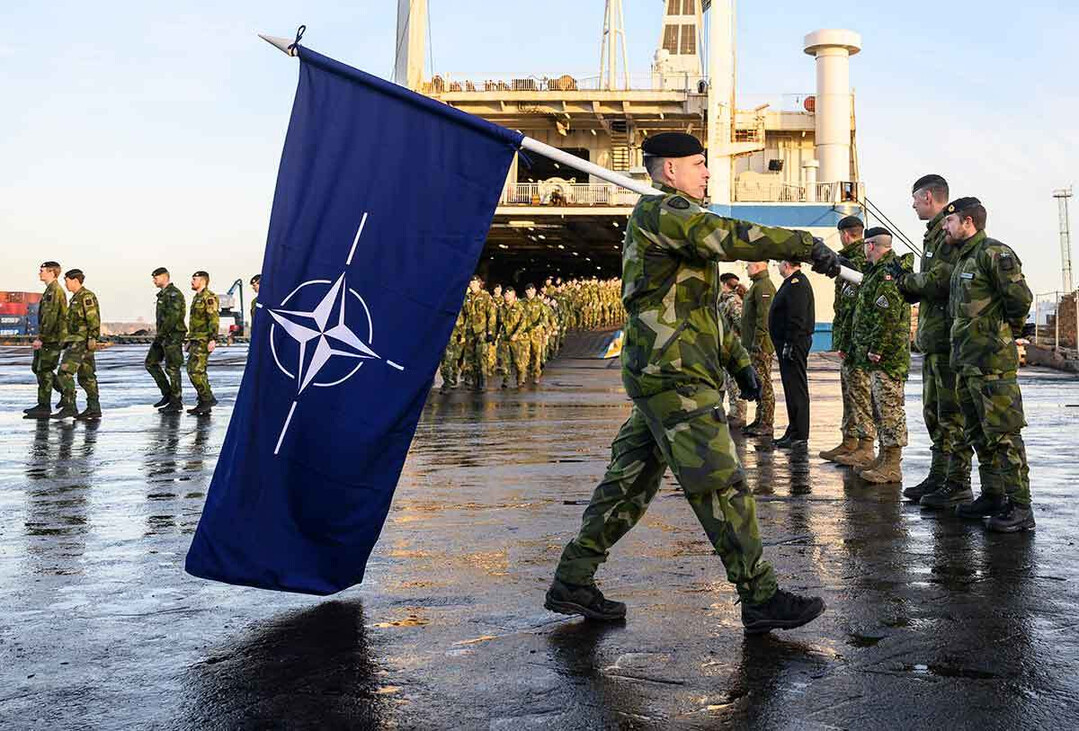
Estonia, a Baltic nation sharing a 294-kilometer border with Russia, is protected under NATO’s Article 5, which stipulates that an armed attack against one member is considered an attack against all. While allies are obligated to assist if collective defense is invoked, such support does not automatically mandate military intervention.
Tallinn announced the border closures after accusing Moscow of orchestrating an attempted arson attack against an Estonian defense contractor. Estonian officials stated the measure is necessary to deter Russian hostility and prevent their territory from being used to circumvent international sanctions. Russia has denied any involvement in the alleged sabotage.
Beyond the border crossings, Moscow accused Estonia of imposing a naval blockade and turning a blind eye to Ukrainian drones transiting its airspace. The Russian Foreign Ministry also fiercely criticized Tallinn’s decision, enacted in early October, to ban the transit of Russian and Belarusian grain through Estonian territory.
Estonia swiftly rejected the allegations, maintaining it has never permitted its territory to be used for foreign military operations. Instead, Tallinn argued that Moscow is fabricating accusations to deflect attention from its own ongoing threats to European security.
Estonian Foreign Minister Margus Tsahkna pointed to a series of regional provocations, including Russian missiles entering Polish airspace, a foiled Russian intelligence assassination plot in Denmark, and threats against commercial vessels in the Black Sea. He emphasized that Estonian authorities had successfully thwarted the arson plot targeting its defense firm, which was allegedly directed by Russian military intelligence.
Security anxieties are similarly mounting in neighboring Finland, another NATO member sharing a border with Russia. Finnish Prime Minister Petteri Orpo warned on Saturday that the conflict in Ukraine is spilling closer to Finnish waters following a suspected Ukrainian strike on a Russian military-linked cargo vessel in the Gulf of Finland. Finland has also kept its land border crossings with Russia closed.
Meanwhile, CNBC noted that Ukraine has intensified strikes on high-value Russian strategic assets. Recent operations include damaging the Crimean Bridge—which links mainland Russia to the Crimean Peninsula—and destroying a modern Russian naval vessel docked at a Libyan port on the Mediterranean coast.
Mario Bikarski, a senior Europe and Central Asia analyst at risk consultancy Verisk Maplecroft, assessed that these strikes demonstrate Kyiv’s capacity to inflict damage on Moscow even amid constrained U.S. military aid. He projected that Ukraine will continue seeking ways to undermine Russia's economy and strategic interests across regions such as the Mediterranean and the Middle East.
[Copyright (c) Global Economic Times. All Rights Reserved.]