![[등록] 2026-09-01 15:48:31](/support/_updata/banner2/tl181982910_6749.png)


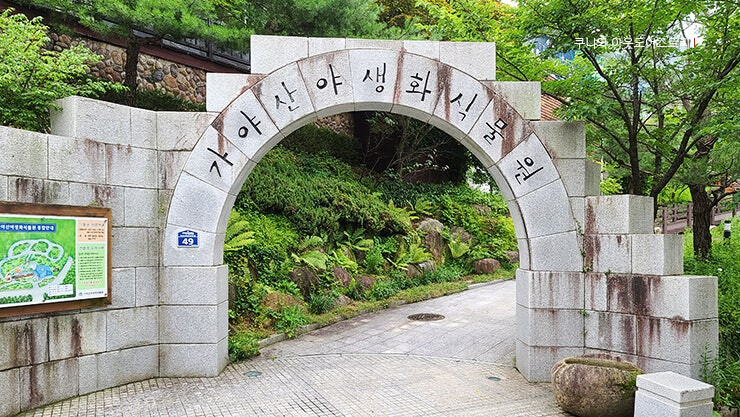
SEONGJU-GUN, GYEONGSANGBUK-DO – For travelers seeking a tranquil escape and a deeper connection with South Korea's natural beauty, the Gayasan Wildflower Botanical Garden (가야산 야생화식물원) in Seongju-gun, Gyeongsangbuk-do, offers an unforgettable experience. Nestled at the foot of the majestic Gayasan National Park, this garden is a vibrant sanctuary dedicated to the preservation and exhibition of Korea's native flora, particularly the delicate and diverse wildflowers of the region.
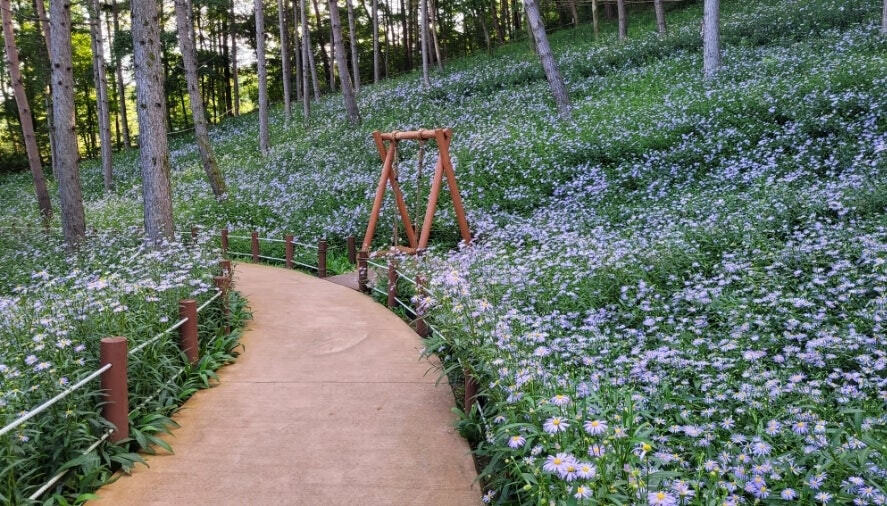
A Floral Tapestry Year-Round
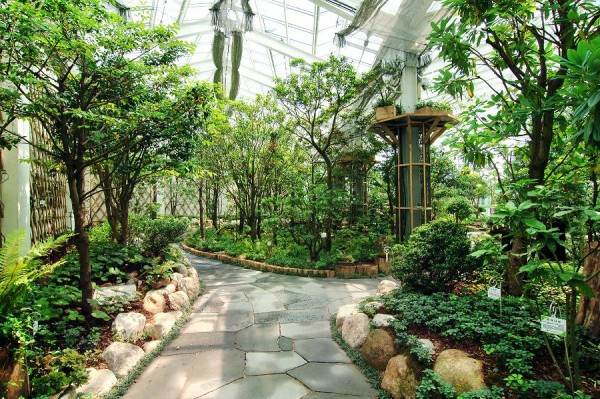
The garden is home to over 400 species of plants, including a remarkable collection of 257 types of wildflowers. It serves not only as a beautiful recreational spot but also as a vital center for educational research and conservation. Visitors can explore various themed exhibition halls and a greenhouse, where even the smallest and most unique wildflowers, like the Pasque flower, are lovingly cared for and displayed. The surrounding landscape, with the backdrop of Gayasan Mountain, ensures a scenic view that changes dramatically with the seasons—from the fresh greens of spring and the lushness of summer to the colorful foliage of autumn and the quiet, snowy beauty of winter.
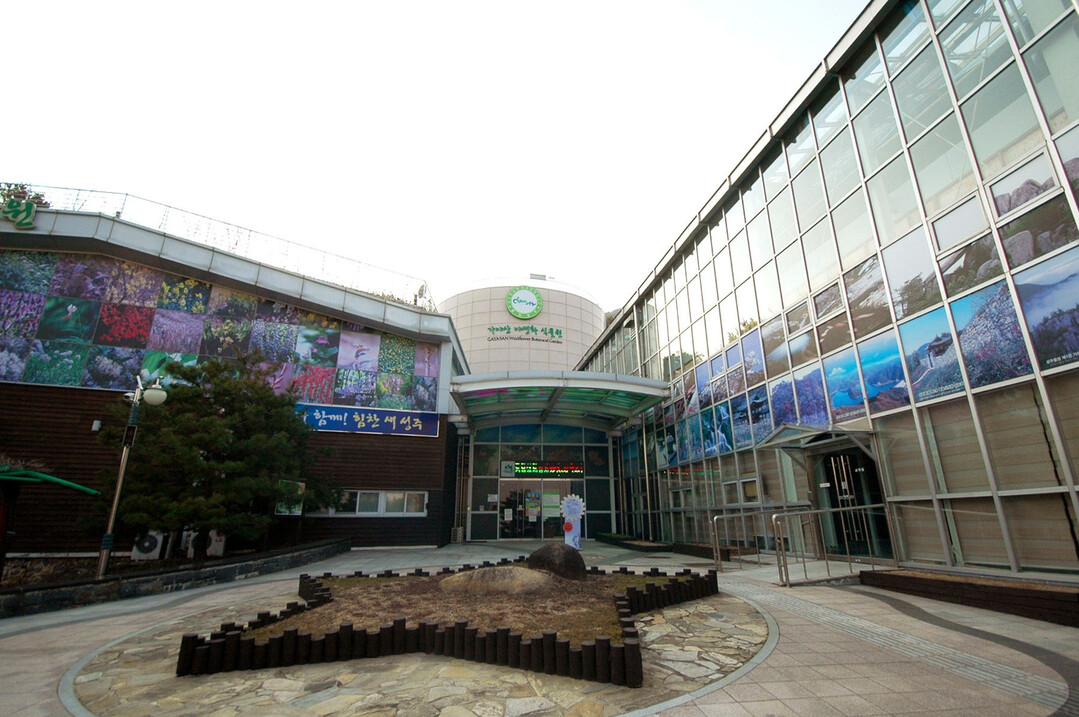
Getting There: Your Guide to Transportation
While Seongju-gun offers a quieter, more rural experience, reaching the botanical garden requires a bit of planning, especially for international visitors.
Address: 49, Gayasansingmurwon-gil, Suryun-myeon, Seongju-gun, Gyeongsangbuk-do, Republic of Korea (경상북도 성주군 수륜면 가야산식물원길 49).
By Public Transportation: The primary route from Seoul involves a bus journey. Take an intercity bus from the Seoul Nambu Bus Terminal to the Seongju Bus Terminal (성주터미널). The journey takes approximately 3 hours and 10 minutes (check the latest schedule as services can be limited). From the Seongju Terminal, you will need to take a local Nong-eochon Bus (농어촌버스, Rural Bus) bound for Gayasan National Park. Please be aware that these local bus services run infrequently (around 4 times a day) and the schedule can change. It is advisable to confirm the local bus schedule upon arrival at the Seongju Terminal or consider a local taxi for the final leg.
By Car: Driving is the most convenient option, especially from nearby major cities like Daegu. The garden offers ample parking space.
Entry Fee & Hours: Admission is free, making it an excellent budget-friendly destination. The garden is typically open from 10:00 to 17:00, but it is closed every Monday (or the following day if Monday is a public holiday), as well as on January 1st, Seollal (Lunar New Year’s Day), and Chuseok (Korean Thanksgiving Day) holidays. Always check the official website for the most current information before visiting.
Must-See Nearby Attractions
A trip to the Gayasan Wildflower Botanical Garden is incomplete without exploring its incredible surroundings.
Gayasan National Park (가야산국립공원): The garden is located within this beautiful national park. Visitors can enjoy well-maintained hiking trails, including the scenic Hongryudonggyegok Valley (홍류동계곡) and the Gayasan Sori-gil (가야산 소리길).
Haeinsa Temple (해인사): While technically in the neighboring Hapcheon-gun, this is one of Korea’s three Jewel Temples, famed for preserving the Tripitaka Koreana, a complete collection of Buddhist scriptures carved onto over 80,000 wooden printing blocks. It is a major cultural highlight easily combined with a visit to the region.
Pocheongyegok Valley (포천계곡) & Daegacheongyeogok Valley (Muheulgugok) (대가천계곡(무흘구곡)): These are picturesque valleys perfect for a summer retreat, offering cool, clear waters and stunning natural scenery.
Seongju Historic Villages: Explore the traditions of the region by visiting local historic sites like Seongju Hangae Village (성주 한개마을), which showcases traditional Korean hanok houses.
The Gayasan Wildflower Botanical Garden is a perfect destination for nature lovers, photographers, and those seeking a peaceful retreat away from the city's hustle. Come and discover the quiet beauty and rich biodiversity of Korea's spectacular mountain environment.
[Copyright (c) Global Economic Times. All Rights Reserved.]