![[등록] 2026-09-01 15:48:31](/support/_updata/banner2/tl181982910_6749.png)


(C) Youtube
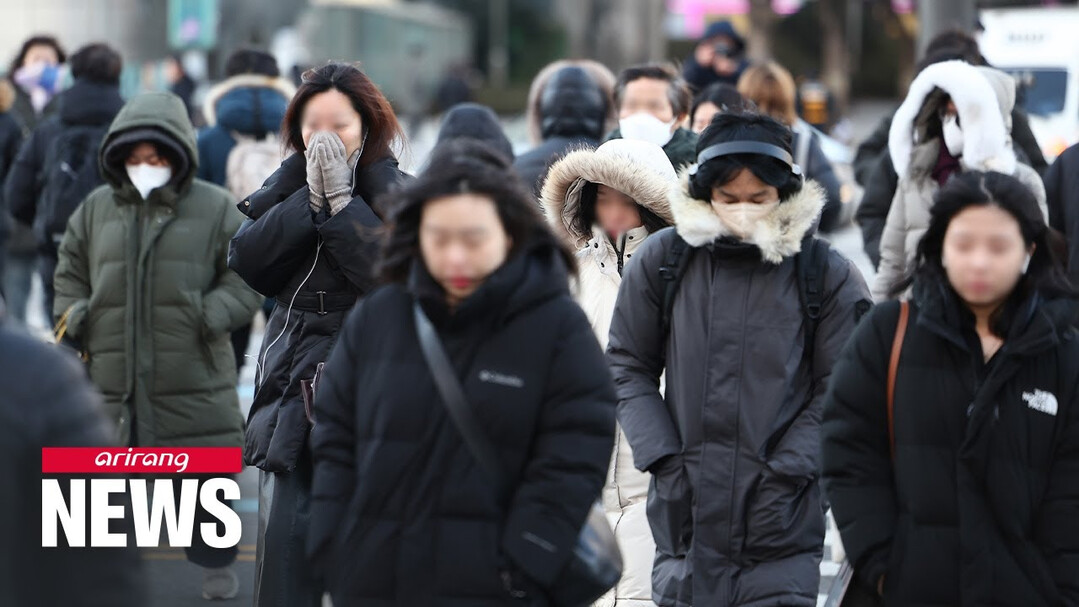
SEOUL – South Korea is bracing for the most severe and prolonged cold wave of the winter season starting this Tuesday, Jan. 20, coinciding with "Daehan"—traditionally the coldest day of the year on the lunar calendar.
The Korea Meteorological Administration (KMA) announced during a briefing on Sunday that a powerful polar blast will grip the nation from Jan. 20 through Jan. 26. Morning lows in inland regions are expected to hover around $-15$°C, marking a significant drop from previous cold snaps.
Extended Period of Sub-zero Temperatures
According to the KMA, this upcoming cold wave is set to be the longest of the season. "While previous cold spells this winter lasted only one or two days, we expect temperatures in Seoul to remain between $-10$°C and $-13$°C for six consecutive days starting Jan. 20," said Gong Sang-min, a KMA weather analyst.
The freeze is caused by a massive low-pressure system stalled to the northeast of the peninsula, which is acting as a corridor for frigid arctic air to flow directly from the northwest into South Korea.
Dangerous Wind Chills and Heavy Snow
The biting wind will make conditions feel even harsher. Officials warned that wind chill temperatures could plunge to as low as $-20$°C in many inland areas.
In addition to the cold, hazardous weather conditions are expected across the country. As cold northwestern winds pass over the relatively warmer Yellow Sea, heavy snow is forecast for the west coast regions on Jan. 21, 22, and 24.
Safety Precautions Recommended
The weather agency has urged the public to take strict precautions against the extreme cold. Residents are advised to:
Insulate water meters and pipes to prevent freezing and bursting.
Wear thermal layers and winter gear when heading outdoors.
Pay special attention to the health of the elderly and vulnerable populations.
The record-breaking cold is expected to ease slightly around Jan. 26 as the atmospheric pressure system begins to shift, though temperatures are likely to remain below seasonal averages for the remainder of the month.
[Copyright (c) Global Economic Times. All Rights Reserved.]