![[등록] 2026-09-01 15:48:31](/support/_updata/banner2/tl181982910_6749.png)


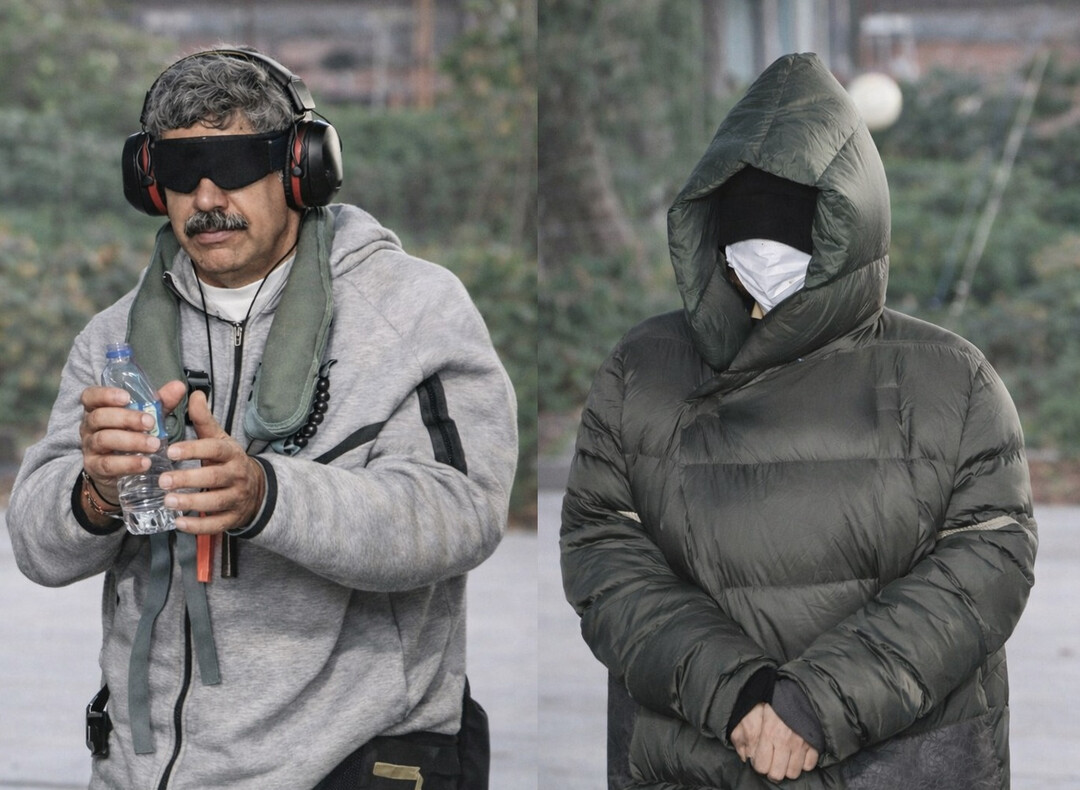
The "Blame Look" phenomenon—where fashion items worn by individuals embroiled in social scandals or criminal allegations become viral hits—is resurfacing both domestically and abroad. Despite the negative context of the wearers, these items are seeing a surge in consumer interest, often leading to immediate sell-outs.
The Rise of the 'Maduro Look'
A prominent recent example involves Venezuelan President Nicolás Maduro. Following images released on social media showing his arrest by U.S. forces, the gray Nike tracksuit he was wearing became an overnight sensation.
Dubbed "Maduro Gray" or the "Maduro Look," the outfit spiked to the top of Google Trends. Retailers reported that specific sizes of the tracksuit sold out almost instantly. Foreign media outlets noted the irony, commenting that "the arrest footage turned a tracksuit into a meme" and that Maduro had inadvertently revived a sportswear trend.
A History of 'Blame Looks' in Korea
South Korea has a long history of this phenomenon. Recently, a khaki long parka worn by Hwang Hana, the granddaughter of Namyang Dairy Products' founder, during a court appearance for drug charges, was identified as a luxury piece by Rick Owens. Information regarding the price and availability of the coat flooded online communities, leading to stock shortages.
Other notable examples include:
Min Hee-jin: The casual T-shirt and hat worn by the former ADOR CEO during her high-profile press conference amid a management dispute with HYBE sold out immediately.
Kim Ho-joong: The jacket and eyewear worn by the trot singer during his police summons for a DUI hit-and-run became subjects of intense online scrutiny and identification.
Historic Cases: The trend dates back to 1999 with the colorful Missoni-style shirt worn by escaped convict Shin Chang-won, and the luxury Prada shoe lost by Choi Soon-sil during the 2016 political scandal.
The Paradox of Negative Fame
This is not a uniquely Korean trend. In 2015, the "El Chapo" shirt worn by drug lord Joaquín Guzmán during a Rolling Stone interview saw a massive sales spike. Similarly, the black turtlenecks worn by Theranos founder Elizabeth Holmes during her fraud trials became a symbol of "courtroom chic."
Marketing experts attribute this phenomenon to the sheer volume of media exposure. "The consumer’s brain often separates the moral judgment of the individual from the visual appeal of the product," one expert noted. In some cases, a subconscious "prestige bias" occurs, where the item is associated with a high-status or "successful" (albeit controversial) individual.
A Double-Edged Sword for Brands
The fashion industry views the "Blame Look" with mixed emotions. While some brands fear the association with criminal activity and request that news outlets blur their logos, others quietly reap the benefits of the "sold-out" effect.
"Brands have to walk a fine line," said an industry insider. "While it brings an undeniable boost in short-term sales, the long-term challenge is managing the risk of brand image degradation associated with social controversy."
[Copyright (c) Global Economic Times. All Rights Reserved.]