![[등록] 2026-09-01 15:48:31](/support/_updata/banner2/tl181982910_6749.png)


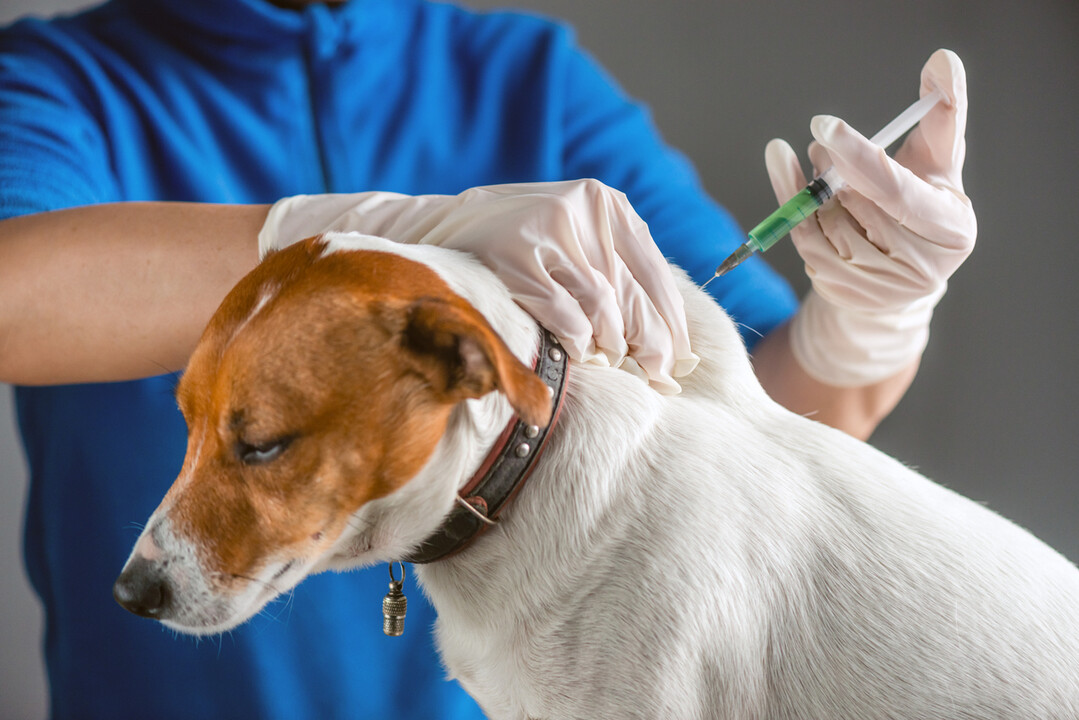
As the pet population reaches an estimated 15 million households, awareness regarding early-life vaccinations for puppies and kittens has grown significantly. However, many pet owners remain uncertain about whether regular vaccinations are necessary once their pets reach adulthood. Should adult pets receive shots mechanically every year, or are they fully protected for life?
Vaccinations are a cornerstone of preventive medicine, designed to activate the immune system and defend against lethal infectious diseases before exposure occurs. Diseases such as canine parvovirus, distemper, and feline panleukopenia have high mortality rates and can leave lasting complications, making the maintenance of proper immunity crucial.
Veterinary experts emphasize, however, that not all adult dogs and cats need to receive the exact same routine vaccines annually. According to the World Small Animal Veterinary Association (WSAVA) guidelines, vaccines are divided into "Core" vaccines, which are essential for all animals regardless of location and environment, and "Non-core" vaccines, which are selectively administered based on lifestyle, ranging from indoor living to frequent outdoor walks or multi-pet environments. This explains why vaccination requirements and schedules vary depending on individual lifestyles.
Since immunity built during initial vaccination phases gradually weakens over time, booster shots should be administered at appropriate intervals for adult pets. A useful tool in this process is the antibody titer test. By measuring the level of specific pathogen-neutralizing antibodies through a blood sample, veterinarians can minimize unnecessary over-vaccination and establish a customized protocol. This serves as a practical alternative for owners who are uncertain of their pet's vaccination history—often due to adoption—or who are hesitant about excessive vaccine administration.
It is important to note that antibody titer tests cannot completely replace vaccines for every disease. The correlation between blood antibody levels and actual cell-mediated immune defense varies depending on the vaccine and disease type. Therefore, rather than relying solely on a single test result, veterinarians must comprehensively evaluate the pet's age, underlying chronic conditions, vaccination history, and local disease outbreaks.
Managing potential post-vaccination adverse reactions is another critical task. Common side effects include injection site soreness, mild fever, and temporary lethargy or loss of appetite for a day or two. These are normal signs of the immune system responding and typically resolve within 48 hours.
However, rare acute hypersensitivity reactions—such as facial swelling, generalized hives, persistent vomiting or diarrhea, difficulty breathing, or anaphylactic shock—can occur shortly after vaccination. It is recommended to schedule vet visits during times when owners can closely monitor their pets for at least half a day, avoiding strenuous exercise or baths on the day of the vaccination.
For senior pets or those with chronic conditions such as heart disease or kidney failure, the risks versus benefits must be thoroughly weighed. Forcing vaccinations on a compromised animal can worsen existing conditions. Thus, preliminary physical exams and basic blood tests should precede vaccination, allowing flexibility to adjust intervals or stagger doses.
"The core of vaccination is not blind, repeated dosing, but rather establishing a precise preventive plan that aligns with the individual pet's life stage and immune status," said Dr. Noh Seul-ah of Anicom Medical Center. "Adult dogs and cats require a careful assessment of their past history, current health, and activity range, and antibody titer tests can serve as an effective decision-making tool."
She also advised, "Completely stopping essential disease protection out of fear of side effects can lead to greater risks. Clear communication with your veterinarian regarding past adverse reactions and existing medical conditions is essential to determine the optimal vaccination schedule for each individual pet."
[Copyright (c) Global Economic Times. All Rights Reserved.]