![[등록] 2026-09-01 15:48:31](/support/_updata/banner2/tl181982910_6749.png)


SEOUL - South Korea is grappling with a prolonged resurgence of COVID-19 as the number of hospitalized patients continues to climb, entering its tenth consecutive week of increases. The latest data released by health authorities shows the virus is spreading steadily into September, raising concerns ahead of the cooler autumn and winter seasons.
According to figures from the Korea Disease Control and Prevention Agency (KDCA) on Friday, a total of 433 patients were hospitalized for COVID-19 during the 36th week of the year (August 31 to September 6). This data was collected from a sample of 221 hospitals participating in the agency's surveillance program for acute respiratory infections. The latest count represents a significant jump from the 63 hospitalizations recorded in the 26th week (June 22 to June 28), the point at which the current upward trend began.
The relentless 10-week rise in hospitalizations paints a clear picture of a public health challenge that is not yet in decline. While the weekly increase in patient numbers has recently shown a slight slowdown, the KDCA warns that the current wave is expected to persist throughout the month, placing a continued strain on the nation’s healthcare system.
The demographic data underscores a troubling pattern, with the elderly bearing the brunt of severe illness. An analysis of cumulative hospitalizations for the year shows that patients aged 65 and older account for a staggering 60.6% of all cases. This group, along with those between 50 and 64 years old, who make up 17.9%, and individuals aged 19 to 49, who constitute 10.2%, highlight the virus's disproportionate impact on older, more vulnerable populations. The data serves as a stark reminder of the importance of protecting those at the highest risk of developing complications.
The KDCA's surveillance efforts reveal a mixed but cautionary set of indicators. The rate of positive COVID-19 tests in the hospital pathogen surveillance system has risen to 39.0%, marking a third consecutive week of increase. This metric confirms that the virus is actively circulating within the community and driving the rise in hospital admissions. Conversely, wastewater surveillance, a key tool for monitoring viral load in the population, showed a slight week-on-week decrease in viral concentration. While this could suggest a potential peak in community transmission, the persistently high test positivity rate and rising hospitalizations indicate that the threat remains significant.
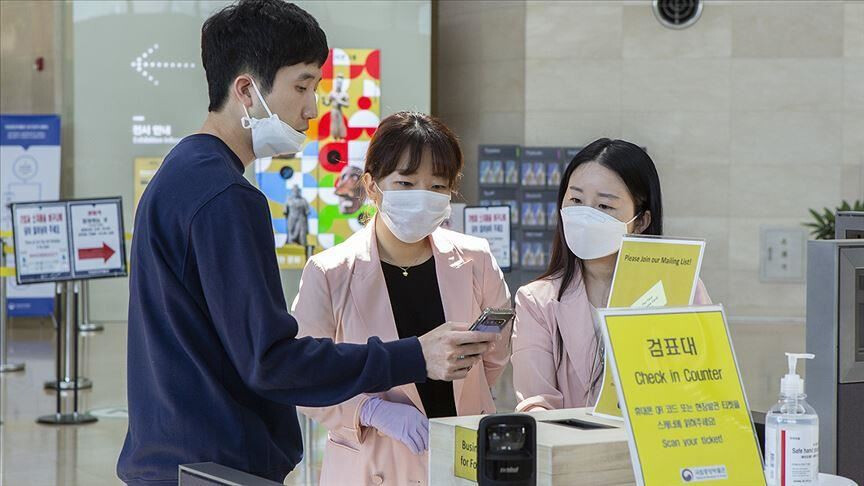
In response to the current trend, KDCA Director Lim Seung-gwan issued a public plea for heightened vigilance. "We ask the public to make respiratory infection prevention measures a daily habit, particularly during the changing seasons," Director Lim stated. He emphasized the importance of individual responsibility in mitigating the spread of the virus. "Especially for high-risk individuals, such as the elderly, we ask that you refrain from participating in crowded indoor events, and if participation is unavoidable, please wear a mask."
The director's recommendations echo a broader public health strategy that focuses on personal protective behaviors. As temperatures cool and people spend more time indoors, the risk of transmission is expected to increase. The KDCA is advising citizens to take common-sense precautions, including frequent handwashing, proper ventilation of indoor spaces, and avoiding unnecessary close contact with others, especially those showing symptoms.
The ongoing increase in hospitalizations serves as a critical signal to both the public and policymakers. It underscores the continued threat of COVID-19 and the need for sustained public health awareness. As the nation moves into the fall, the effectiveness of these measures will be crucial in determining whether the current wave of infections can be managed without overwhelming the medical system. The focus remains on protecting the most vulnerable and ensuring the stability of healthcare services for all. The KDCA continues to monitor the situation closely, providing updated data and guidance to help the country navigate this latest phase of the pandemic.
[Copyright (c) Global Economic Times. All Rights Reserved.]