![[등록] 2026-09-01 15:48:31](/support/_updata/banner2/tl181982910_6749.png)


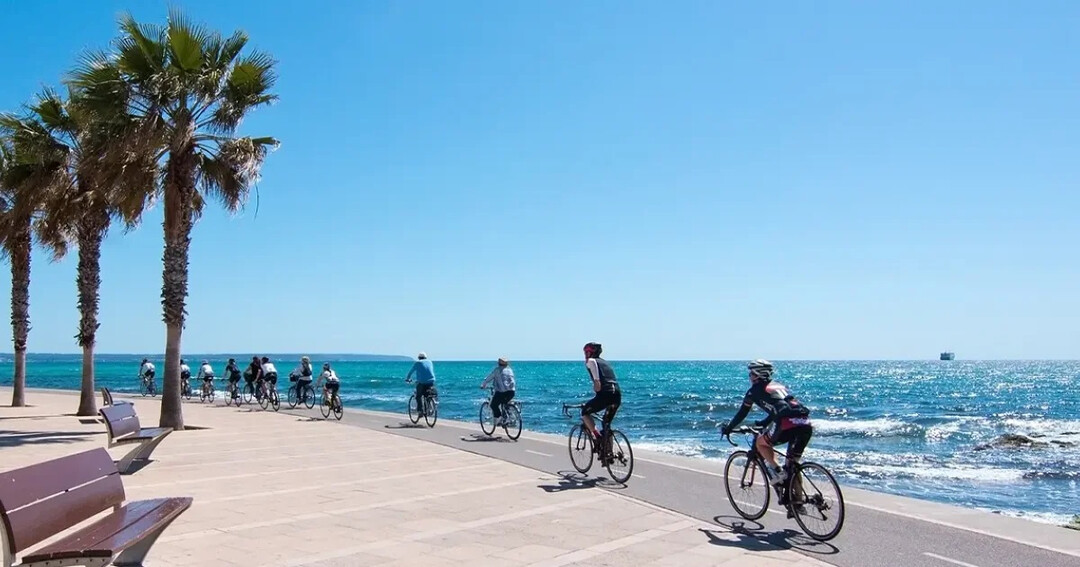
(C) Mallorca
PALMA DE MALLORCA – The City Council of Palma has unveiled an ambitious strategic blueprint to revolutionize its cycling infrastructure. Based on the second phase of a comprehensive audit conducted by the consultancy firm Idom, the city plans to add nearly 15 kilometers of new bike lanes in the immediate short term, marking the beginning of a massive 12.86-million-euro investment plan spanning the next decade.
The audit, recently presented by Toni Deudero, Deputy Mayor and Councillor for Mobility, serves as a technical roadmap to resolve long-standing friction points between cyclists, pedestrians, and public transport. By the time the plan reaches its final horizon, Palma is projected to rank second among 19 similar Spanish provincial capitals for bicycle lane density per 100,000 inhabitants.
A Three-Tiered Expansion Strategy
The expansion is structured into three distinct phases:
Short-term (1-2 years): 14.79 kilometers of high-priority routes.
Medium-term (3-5 years): 22.83 kilometers of additional lanes.
Long-term (6-10 years): 24.66 kilometers to finalize the network.
In total, the city will see a 59.1-kilometer increase in its cycling network—a 24% growth compared to the existing infrastructure. A key highlight of the short-term plan is the commitment to safety; approximately 74% of the new routes will be physically segregated from motor traffic on the roadway, rather than occupying sidewalks.
Tackling "Conflict Points"
One of the most significant shifts in this plan is the "de-pedestrianization" of cycling routes. For years, major arteries like Calle Blanquerna have seen tension between cyclists and pedestrians. The new strategy proposes moving the cycling itinerary to the parallel streets of Francesc Suau and 31 de Desembre.
Specifically, on 31 de Desembre, the city will invest 300,000 euros in 2026 to create a bidirectional segregated lane. While this requires the removal of 15 parking spaces, the plan preserves the street’s iconic trees and improves overall traffic flow. Similarly, near the Intermodal Station at Plaza España, lanes currently situated on pedestrian walkways will be relocated to the roadway of Avenida Marquès de Fontsanta, requiring a relocation of the BiciPalma station at Parc de Ses Estacions.
Technical Precision and Safety
The audit does not merely focus on length but on the quality of the "micro-interventions." The plan identifies and provides technical solutions for:
77 Intersections: Redesigning crossings to prevent accidents.
79 EMT Bus Stops: Ensuring cyclists can pass safely without obstructing passengers.
97 Waste Collection Points: Coordinating with Emaya to ensure garbage trucks and cyclists do not clash.
Integration with BiciPalma
The infrastructure growth will be supported by a corresponding expansion of the city’s bike-sharing program. Deudero confirmed that the SMAP (Municipal Parking and Projects Society) will launch the fourth phase of BiciPalma in 2026. This expansion includes 23 new stations and 230 additional electric bicycles, stretching the service's reach to tourist hubs like Platja de Palma and the Passeig Marítim.
Leading the Way in Sustainability
"This document marks a clear roadmap to improve mobility, reinforce safety, and move toward a more sustainable city," stated Deudero during the presentation. By prioritizing high-risk sections and improving connectivity to industrial hubs like Son Castelló, Palma is positioning itself as a national leader in urban mobility.
As work begins on immediate projects—such as the access to Bellver Castle and the link between Son Espases and the Sóller road—Palma residents can expect a significant shift in the city's landscape, favoring two wheels over four in the race for a greener Mediterranean capital.
[Copyright (c) Global Economic Times. All Rights Reserved.]