![[등록] 2026-09-01 15:48:31](/support/_updata/banner2/tl181982910_6749.png)


(C) Compass Edge
BEIJING – As President Lee Jae-myung prepares for a state visit to China on January 4, a recent survey indicates a significant shift in Chinese public sentiment toward South Korea. Amid a warming trend in bilateral relations, Chinese citizens’ favorability toward their neighbor has rebounded, contrasting sharply with record-low perceptions of Japan.
According to the "2025 Chinese Outlook on International Security" report released by the Center for International Strategy and Security (CISS) at Tsinghua University, South Korea’s favorability rating among Chinese adults rose to 2.61 out of 5.0. This marks a notable recovery from the 2.10 recorded in 2024, nearly returning to the levels seen in 2023 (2.60).
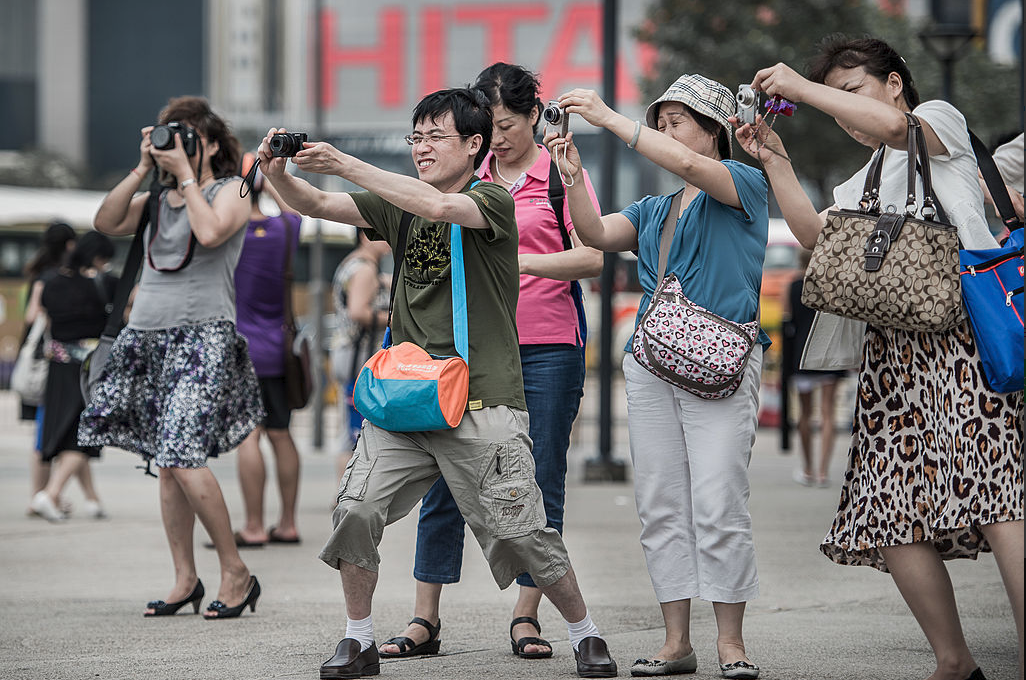
Analysts suggest that the strengthening of "anti-Japan measures" by the Chinese government has effectively redirected Chinese tourism and cultural interest toward South Korea. In districts such as Myeong-dong in Seoul, the influx of Chinese tourists has become a visible indicator of this geopolitical shift.
Regional Rankings and the "Japan Minimum"
The survey, which polled 2,000 citizens across mainland China in two waves last year, placed Russia at the top of the favorability list with a score of 3.48. However, Russia’s score has seen a steady decline from 3.67 in 2023. Other major entities ranked as follows:
United Kingdom: 2.92
European Union: 2.86
ASEAN: 2.74
United States: 2.38
India: 2.06
Japan: 1.90
Japan remains the least favored nation for the third consecutive year. Tensions have been exacerbated by Japanese Prime Minister Sanae Takaichi’s recent comments regarding potential intervention in a "Taiwan contingency," which Beijing views as a provocation.
Complex Views on the United States
Perceptions of the United States showed a curious dichotomy. While the favorability score rose from 1.85 in 2024 to 2.38 last year, and the percentage of respondents who believe U.S.-China relations have improved jumped from 8.1% to 20.3%, deep-seated suspicion remains.
Approximately 78.8% of respondents believe the core of U.S. strategy is to suppress China’s development. Furthermore, 85.1% supported trade retaliatory measures against the U.S., with a staggering 94.8% of those supporters stating they "fully support" such actions.
Neighborhood Dynamics
In a newly added category regarding neighboring countries, Pakistan (3.34) and Singapore (3.27) emerged as the most favored, followed by Malaysia and North Korea (both at 3.08). Conversely, Myanmar (2.13) and the Philippines (2.35) ranked near the bottom, reflecting ongoing regional friction.
The timing of this report is pivotal. As President Lee heads to Beijing, the data suggests a domestic environment in China that is increasingly receptive to diplomatic re-engagement with Seoul, even as the broader landscape of "Great Power Competition" remains fraught with economic and strategic tension.
[Copyright (c) Global Economic Times. All Rights Reserved.]