![[등록] 2026-09-01 15:48:31](/support/_updata/banner2/tl181982910_6749.png)


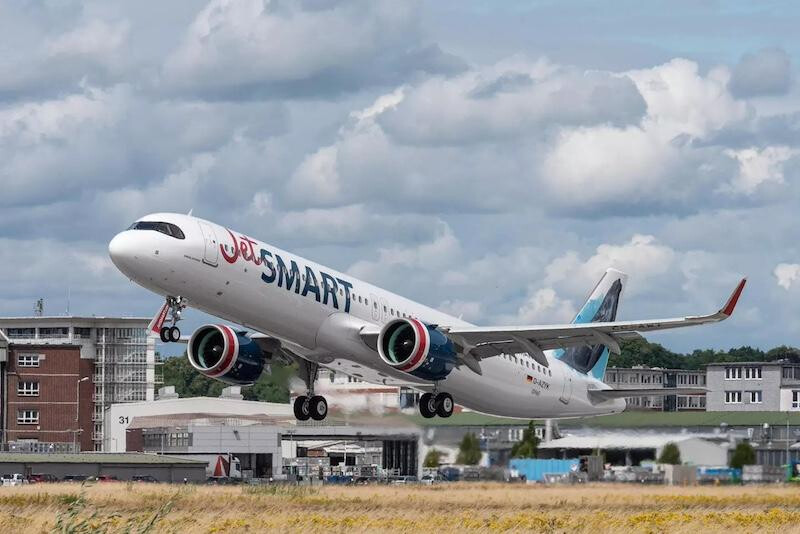
Buenos Aires, Argentina – The Argentine government has announced a groundbreaking measure allowing foreign-owned airlines to enter its domestic market, sending significant ripples through the aviation industry. This move, part of President Javier Milei's neoliberal economic reform policies, demonstrates a strong commitment to injecting competition into Argentina's long-protected domestic air travel market, aiming to enhance consumer benefits and revitalize the aviation sector. This decision is expected to inevitably intensify competition for existing carriers, including the state-owned Aerolíneas Argentinas.
Why the Change in Argentina's Aviation Market Now?
In the past, under the strong protectionist stance of Peronist governments, Argentina had numerous regulations aimed at safeguarding its domestic industries. The aviation sector was no exception, with strict restrictions on foreign airlines operating domestic routes. However, President Milei, who took office last December, has been pursuing radical market liberalization policies, including cuts in public spending, deregulation, and privatization. This opening of the aviation market is a direct extension of this policy direction.
The government's decision serves several objectives. Firstly, it aims to increase consumer benefits through fostering competition. There's significant anticipation that the entry of foreign airlines will lead to lower airfares and improved service quality. Secondly, it seeks to revitalize the aviation industry as a whole. New airline investments could lead to airport infrastructure expansion and job creation, contributing to economic vitality. Thirdly, it aims to promote the development of the tourism industry. Increased accessibility could boost both domestic and international tourist inflows, positively impacting related sectors.
Aerolíneas Argentinas: A Crisis and an Opportunity
This opening of the domestic market to foreign airlines presents both a significant challenge and a potential opportunity for Argentina's flag carrier, Aerolíneas Argentinas.
Threats:
Market Share Decline: The emergence of competitors will likely erode Aerolíneas Argentinas' monopolistic market position and reduce its market share.
Worsening Profitability: Intense price competition could negatively impact profitability, potentially leading to financial difficulties.
Restructuring Pressure: The airline may face pressure for extensive restructuring or workforce reductions to enhance competitiveness.
Opportunities:
Enhanced Competitiveness: Competition could stimulate internal efforts to improve services, reduce costs, and increase efficiency, thereby strengthening overall competitiveness.
Service Diversification: Aerolíneas Argentinas could explore expanding its routes and diversifying services to meet the varied demands of domestic and international travelers.
Accelerated Privatization: Given the Milei government's strong commitment to privatization, increased competition could boost the airline's corporate value and positively influence its future privatization. Currently, Aerolíneas Argentinas suffers from chronic deficits and relies on government subsidies, making privatization one of the government's key priorities.
Expected Market Changes and Challenges
The entry of foreign airlines into the domestic market is expected to bring significant changes to Argentina's aviation landscape. A vigorous entry of Low-Cost Carriers (LCCs) is anticipated, which will likely make air travel more accessible to more Argentine citizens through lower fares. Additionally, major international airlines operating to Argentina are likely to expand their domestic routes to key tourist destinations within the country, actively seeking to attract connecting passengers.
However, for these changes to proceed smoothly, several challenges remain:
Establishing a Fair Competitive Environment: It is crucial to ensure a level playing field so that foreign airlines do not gain unfair advantages in the Argentine market.
Expanding Airport Infrastructure: Investments in airport facilities and improvements to air traffic control systems are essential to accommodate the increased number of flights.
Coexistence Strategies with Existing Airlines: The government also needs to consider support and coexistence strategies to help Aerolíneas Argentinas and other existing airlines adapt to the rapid changes.
Expert Outlook
Aviation industry experts analyze that the Argentine government's decision could have a significant impact across the entire Latin American aviation market. While there is strong anticipation for innovation and growth through intensified competition, concerns are also being raised that radical market liberalization could undermine the stability of domestic airlines.
Aviation data providers like ch-aviation are closely monitoring Aerolíneas Argentinas' movements, carefully analyzing how this market opening will affect the airline's route operations, profitability, and ultimately, its survival. Argentina's aviation market has now reached a new turning point, and the global aviation industry is keenly watching what changes it will undergo in the future.
[Copyright (c) Global Economic Times. All Rights Reserved.]