![[등록] 2026-09-01 15:48:31](/support/_updata/banner2/tl181982910_6749.png)


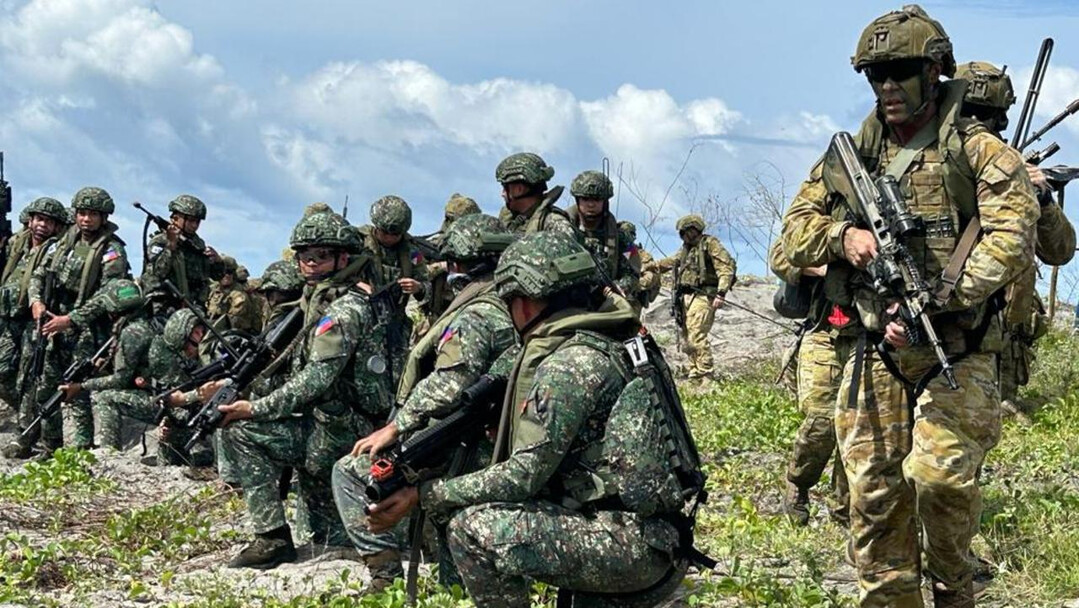
Canberra, Australia - Australia and the Philippines are set to significantly enhance their military cooperation in 2025, more than doubling their joint training and exchange activities to over 20, compared to 2024. This initiative aims to bolster defense ties and interoperability between the two nations and will be primarily executed through the Joint Australian Training Team – Philippines (JATT-P) program. Established in 2019, JATT-P involves Mobile Training Teams (MTTs) from the Australian Defence Force (ADF) supporting the Armed Forces of the Philippines (AFP) across a wide spectrum of training exercises.
Rear Admiral Justin Jones, Australia’s Commander Joint Operations, underscored the significance of JATT-P, stating it is “central to the deep defense and security cooperation between Australia and the Philippines.” He further emphasized that “the Philippines is a vital partner for peace and prosperity in the Indo-Pacific region.” In 2025, the MTTs are slated to collaborate with hundreds of Filipino military personnel and defense officials, delivering tailored training in areas such as combined operations planning, fire support, combat engineering, maritime logistics, aircraft maintenance, intelligence analysis, and aviation safety.
Major Lachlan Newham, the JATT-P coordinator, elaborated on the scope of the exercises, noting that “the training encompasses maritime, land, and air domains, and crucially includes areas vital to modern operations such as cyber security and logistics support.” He also highlighted the strong rapport and trust cultivated between personnel from both nations as a key strength of the program.
This significant expansion of military cooperation comes against a backdrop of evolving security dynamics in the Indo-Pacific, particularly the increasing influence of China in the South China Sea. The diversification of training activities is strategically aimed at enhancing interoperability, thereby improving the effectiveness of joint operations and disaster relief efforts. The inclusion of cyber security cooperation is particularly noteworthy, addressing the growing need to counter contemporary threats. Furthermore, discussions regarding potential trilateral cooperation involving the United States have surfaced, which could have profound implications for the regional security landscape.
Beyond the direct military benefits, this enhanced cooperation fosters stronger diplomatic ties and people-to-people connections between Australia and the Philippines. It underscores a shared commitment to regional stability and a rules-based international order. Analysts suggest that this deepening partnership sends a clear signal about the commitment of both nations to collective security in the face of regional challenges.
The increased military exercises will likely involve a broader range of assets and personnel from both sides compared to previous years. This may include naval exercises in the South China Sea, potentially focusing on maritime security and domain awareness. Land-based drills could involve special forces training and urban warfare simulations. Air force components might participate in joint flight operations and exercises related to air defense and reconnaissance.
Moreover, the expanded program is expected to facilitate greater intelligence sharing and strategic dialogue between the two countries. This enhanced communication and understanding will be crucial for navigating the complex security environment in the Indo-Pacific.
The strengthening military partnership between Australia and the Philippines is widely seen as a significant step towards bolstering regional peace and stability, reaffirming their robust bilateral relationship.
[Copyright (c) Global Economic Times. All Rights Reserved.]