![[등록] 2026-09-01 15:48:31](/support/_updata/banner2/tl181982910_6749.png)


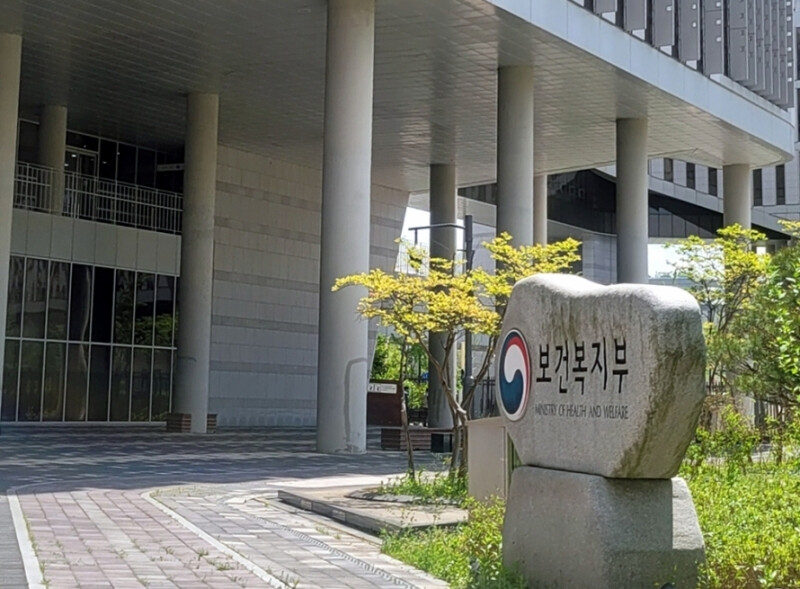
The South Korean government is set to crack down on medical overuse by integrating high-expenditure non-reimbursable treatments into the National Health Insurance (NHI) system under a high co-payment scheme. Starting February 19, procedures frequently associated with overtreatment, such as manual therapy and neuroplasty, will be subject to a 95% patient co-payment rate under the new "Managed Care" category.
The Ministry of Health and Welfare (MOHW), led by Minister Jung Eun-kyeong, announced on Wednesday the promulgation of a partial amendment to the Enforcement Decree of the National Health Insurance Act. This amendment provides the legal framework for "Managed Care," a key national project aimed at bringing non-covered (out-of-pocket) medical services under the umbrella of systemic government oversight.
Targeted Procedures and Regulatory Goals
Under the new decree, certain medical services that were previously categorized as non-reimbursable—and thus subject to price volatility and lack of standardized criteria—will be reclassified as a type of "Selective Benefit."
The Ministry has identified three initial items for this transition:
Chiro-massage (Manual Therapy)
Percutaneous Epidural Neuroplasty
Radiofrequency Hyperthermia (Thermal Therapy)
By applying a 95% co-payment rate, the government aims to suppress "indiscriminate medical utilization" while establishing official pricing and clinical guidelines. This move is designed to ensure that while patients can still access these treatments, the frequency and necessity are regulated within a structured institutional framework.
Future Expansion and Policy Vision
Other controversial treatments, such as Extracorporeal Shock Wave Therapy (ESWT) and Speech Therapy, were discussed by the Non-reimbursable Management Policy Consultative Body but have been deferred for later deliberation.
The Ministry intends to monitor these managed items periodically, adjusting prices and benefit criteria to prevent the medical necessity of procedures from being overshadowed by commercial incentives.
"With this amendment, we have established the institutional foundation to appropriately manage non-reimbursable items that carry a high risk of excess," said Koh Hyung-woo, Director of Essential Healthcare Support at the MOHW. "We will proceed with follow-up procedures, including the establishment of fee schedules and benefit standards for manual therapy and other selected items, without disruption."
Medical Community Reaction
The policy has been met with significant pushback from the medical community. Critics argue that a 95% co-payment rate essentially functions as a "price ceiling" or a restrictive barrier that interferes with a physician's autonomy and the patient's right to choose treatments not fully covered by the state. There are also concerns that this may lead to a decrease in the quality of specialized private-sector care.
[Copyright (c) Global Economic Times. All Rights Reserved.]