![[등록] 2026-09-01 15:48:31](/support/_updata/banner2/tl181982910_6749.png)


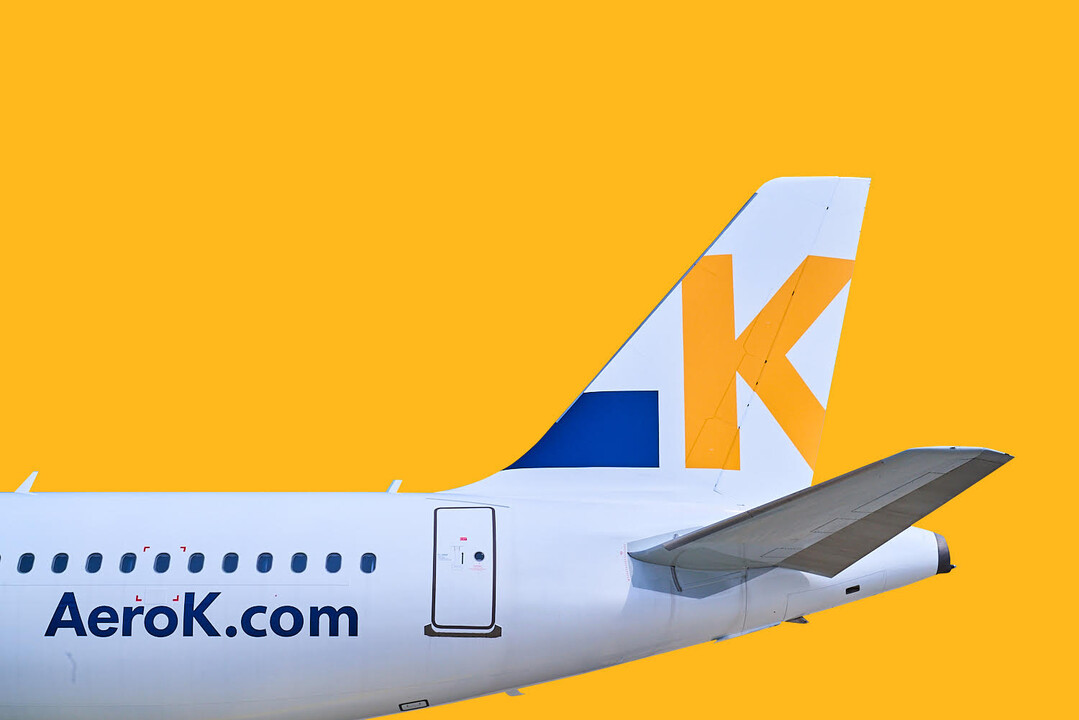
SEOUL — For decades, the South Korean aviation market has operated under a single, unspoken premise: international travel begins in the Seoul Metropolitan Area, while regional airports serve merely as supporting actors.
Aero K Airlines, the Cheongju-based low-cost carrier (LCC), is dismantling this assumption. Instead of asking how to compete for a slice of the Incheon pie, the airline asks a more fundamental question: Must the center of gravity for aviation always be the capital?
By answering "no," Aero K has developed a sophisticated growth model that integrates regional hubbing, non-traditional branding, and a multi-layered revenue structure.
A Hub-First Strategy: Beyond Geography
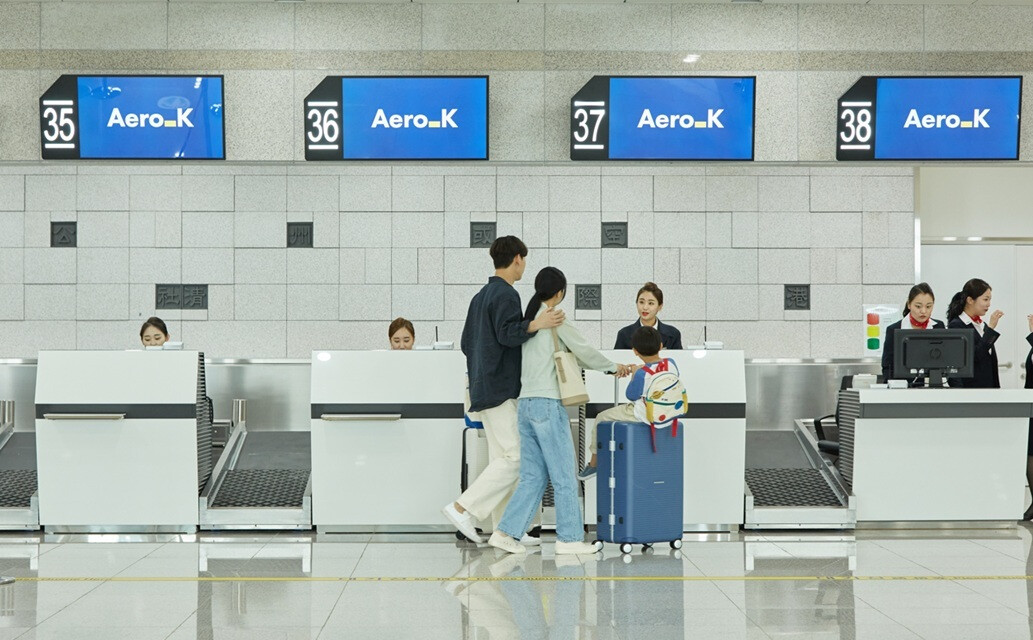
Aero K’s most distinctive trait is that it defined its hub’s role before its routes. By designating Cheongju International Airport (CJJ) not just as a departure point but as a strategic logistics and travel hub for the entire central region, the airline bypassed the cutthroat competition of Incheon (ICN) and Gimpo (GMP).
This "Blue Ocean" strategy allowed Aero K to directly absorb the international travel demand dormant in the central provinces. The results have been tangible:
Surging Passenger Volume: Rapid stabilization of international networks.
Regional Economic Impact: Creation of local jobs and expansion of youth recruitment.
Infrastructure Vitalization: Proving that a regional airport can function as a primary international gateway.
Connecting the "Others": The Small-City Network
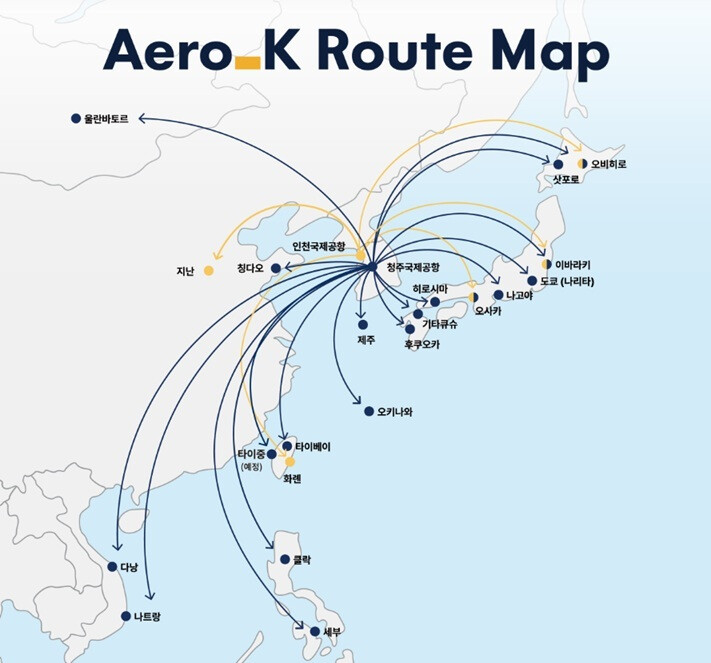
While major carriers fight for slots in megacities like Tokyo or Taipei, Aero K targets the "gaps" in the network. Their international strategy focuses on connecting small-to-medium cities.
Initially tested in Japan and Taiwan, this approach seeks out high-satisfaction destinations that are underserved. By avoiding congested airports, the airline ensures better operational stability and offers travelers fresh alternatives.
This isn't just about adding flight numbers; it’s about changing the way regions connect. Through partnerships with local governments and tourism boards, Aero K fosters sustainable traffic that transcends seasonal spikes. These alliances transform a flight route into a corridor for cultural and industrial exchange.
Selling an Experience, Not Just a Seat
Aero K’s branding breaks every rule in the traditional aviation manual. While competitors focus on price wars, Aero K focuses on emotional resonance.
The airline made global headlines with its genderless uniforms, prioritizing functionality and inclusivity. Beyond the attire, their "Artist On Board" programs and "Aero-K Mixtapes" curate the journey's atmosphere. This holistic design—spanning fashion, beauty, and lifestyle—has turned the airline into a cultural choice rather than a utilitarian one.
"Aero K has successfully shifted the consumer mindset—especially among Gen Z—from 'What is the cheapest flight?' to 'Which brand do I want to start my journey with?'"

Evolution into a Total Travel Platform
Aero K’s roadmap extends far beyond the tarmac. The airline is currently diversifying its revenue through:
Ancillary Services: Enhancing digital customer touchpoints.
Private Brand (PB) Goods: Leveraging their strong brand identity to sell lifestyle products.
Data-Driven Efficiency: Utilizing predictive analytics for demand forecasting and fleet management.
Furthermore, the airline is eyeing the cargo sector. By utilizing belly cargo space on existing international routes, Aero K aims to tap into the industrial and logistics base of South Korea’s central region. This transition toward a "hybrid passenger-cargo" model is a calculated move to ensure profitability regardless of fluctuations in tourism.

Direction Over Speed
Aero K is not interested in the fastest expansion; it is interested in the most sustainable one. By balancing profitability with regional co-prosperity and brand trust, the carrier is proving its worth through direction rather than sheer scale.
As the airline enters its next phase, the focus remains on solidifying these achievements into a long-term structural advantage. Aero K isn't just flying; it is redesigning the very map it operates on.
[Copyright (c) Global Economic Times. All Rights Reserved.]