![[등록] 2026-09-01 15:48:31](/support/_updata/banner2/tl181982910_6749.png)


(C) Apex Hospitales
SEOUL – As temperatures plummet and wind chills reach as low as $-19$°C, health experts are issuing a stern warning to those living with diabetes. Winter is notoriously the most difficult season for blood sugar management due to a combination of physiological changes and lifestyle shifts.
The Impact of Reduced Activity and Diet
According to medical professionals on the 21st, the primary challenge in winter is the natural decline in physical activity. The cold weather often leads to weight gain, which directly increases the difficulty of maintaining stable glucose levels.
Experts emphasize the importance of staying active indoors. "If rigorous exercise is difficult, simply increasing daily movement can make a difference," says a medical representative. "Choosing to get off the bus or subway one or two stops early and walking the remaining distance is a practical way to manage blood sugar."
However, caution is advised for outdoor activities. Sudden, intense exercise in extreme cold can strain the body, and patients with existing diabetic complications should avoid heavy lifting.
Dietary Pitfalls: Soups and Seasonal Snacks
Winter food habits often work against diabetic health. Popular seasonal treats and beverages are frequently loaded with sugar and sodium:
- Fruit & Drinks: Excessive consumption of winter fruits like tangerines or sugary drinks like hot chocolate and Adlay tea (Yulmu-cha) can cause rapid spikes.
- Soups & Stews: While comforting, the broth in traditional winter stews often contains high levels of sodium and fat, which contribute to weight gain and hinder glucose regulation.
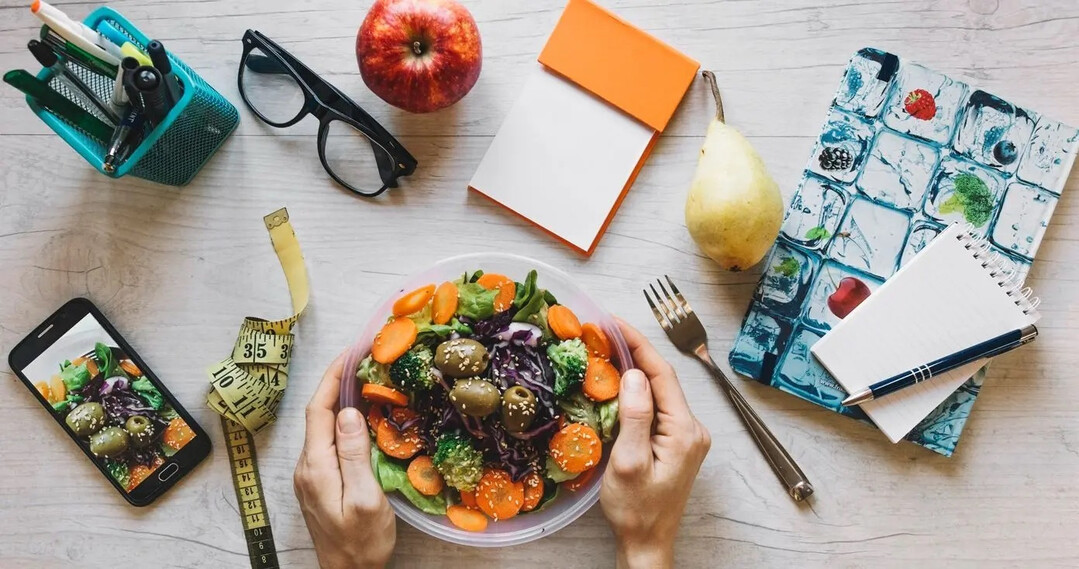
Pro-tip: To prevent sudden "glucose spikes," experts recommend the "Veggie-First" eating order: consume vegetables first, followed by protein, and lastly carbohydrates.
The "Sickness Spike": Flu and Immunity
Winter illnesses like the common cold and influenza do more than just make you feel unwell—they actively raise blood sugar. When the body fights a virus, it releases stress hormones that constrict blood vessels and interfere with insulin's effectiveness.
To combat this, maintaining personal hygiene is critical:
- Wear masks when outdoors.
- Wash hands for at least 30 seconds upon returning home.
- Vaccination: Staying up to date on shots for the flu, COVID-19, pneumonia, and shingles is highly recommended.
Notably, medical experts advise that vaccines are most effective when blood sugar is already stable. Patients are encouraged to bring their glucose levels under control before heading to the clinic for immunization.
[Copyright (c) Global Economic Times. All Rights Reserved.]