![[등록] 2026-09-01 15:48:31](/support/_updata/banner2/tl181982910_6749.png)


(C) Springer
A research team at Pusan National University Yangsan Hospital (PNUYH) has unlocked a new potential for treating mental health conditions using agricultural by-products that were previously discarded during the rice milling process.
Led by Professor Lee Sang-yeop from the Department of Family Medicine, the team announced on February 12, 2026, that clinical trials involving human subjects have confirmed the efficacy of rice germ and rice bran extracts in alleviating symptoms of stress and depression.
Scientific Breakthrough: GABA and gamma-Oryzanol
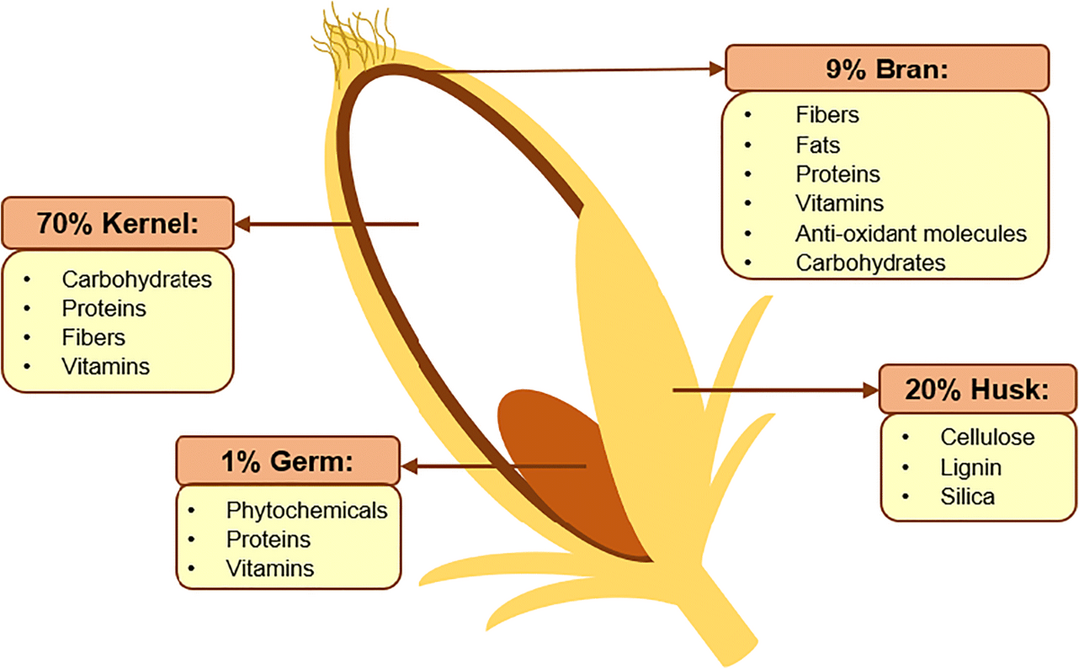
Rice germ and bran account for approximately 30% of total rice production but are often treated as animal feed or waste. However, these components are rich in bioactive compounds such as GABA (Gamma-Aminobutyric Acid), known for stabilizing the nervous system, and gamma-oryzanol (Gamma-Oryzanol), which possesses anti-depressant properties.
The research consisted of two rigorous randomized, double-blind, placebo-controlled clinical trials:
Rice Germ Extract (RG30): Conducted by the Department of Family Medicine in collaboration with Marine Bioprocess Co., Ltd.
Results: After 8 hours of intake over 8 weeks, adults with mild-to-moderate stress showed a significant reduction in stress response scores compared to the placebo group.
Mechanism: The study confirmed that blood serotonin levels—a key neurotransmitter for emotional stability—were better maintained in the intake group.
Rice Bran Extract (RBS): A joint effort between the Departments of Family Medicine and Psychiatry, in collaboration with SND Co., Ltd.
Results: Participants consuming $gamma$-oryzanol-rich rice bran extract for 8 weeks showed a marked decrease in depression evaluation scores.
Impact: Significant improvements were also noted in anxiety levels and self-reported depression scales.
Global Recognition and Sustainable Impact
The significance of this research lies in transforming low-value agricultural waste into high-value functional materials with scientific backing. The findings have been published in prestigious international journals:
The Rice Germ study appeared in the SCIE-indexed Journal of Functional Foods (2026).
The Rice Bran study was featured in the SCI-indexed The American Journal of Clinical Nutrition (2025).
"This study provides a safe, food-based approach that can complement existing drug-centered treatments for mental health," said Professor Lee Sang-yeop. "We will continue follow-up research to further clarify the mechanisms and expand the application of these materials."
Beyond medicine, the study is being hailed as a model for the UN Sustainable Development Goals (SDGs), specifically addressing 'Good Health and Well-being' (SDG 3) and 'Responsible Consumption and Production' (SDG 12). By repurposing milling by-products, the research offers a dual benefit for both public health and environmental sustainability.
[Copyright (c) Global Economic Times. All Rights Reserved.]