![[등록] 2026-09-01 15:48:31](/support/_updata/banner2/tl181982910_6749.png)


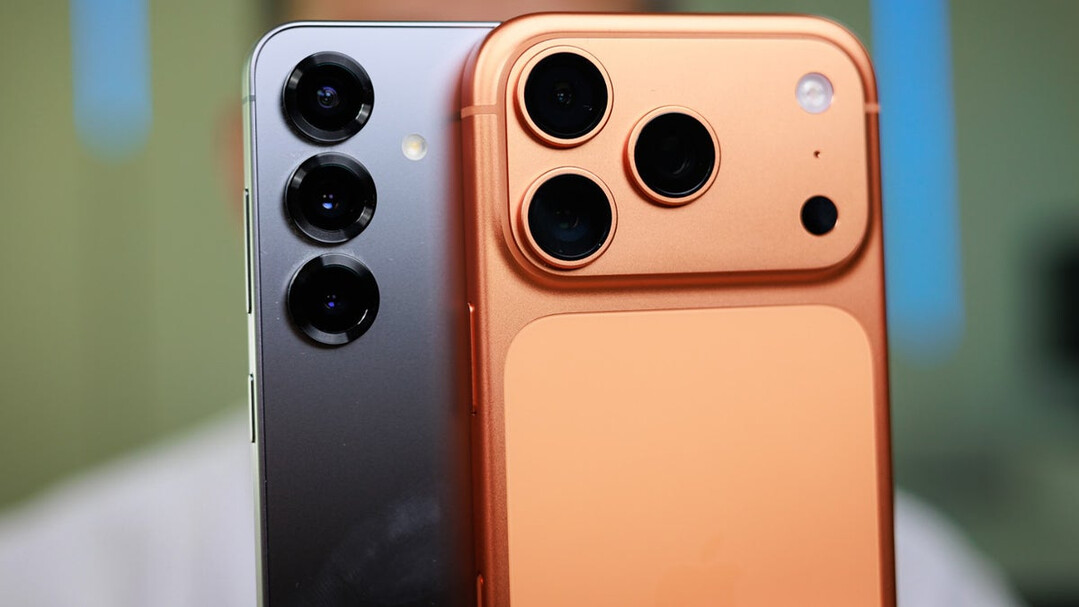
(C) PhoneArena
SAN FRANCISCO — In a significant shift signaling a potential change in the global smartphone hierarchy, Apple is projected to dethrone Samsung Electronics as the world's largest smartphone manufacturer by shipment volume for the first time since 2011. The forecasted surge is primarily attributed to the explosive popularity of the newly released iPhone 17 series.
According to a recent report from market research firm Counterpoint Research, Apple is expected to capture a 19.4% share of the global smartphone market in terms of unit shipments this year, securing the number one spot. This milestone comes after 14 years, marking the end of Samsung’s long-standing dominance in the shipment volume category. While Apple has consistently maintained the top position in terms of revenue due to its focus on high-end, high-margin devices, the shift in shipment volume underscores a successful push into broader market segments.
The Driving Force: iPhone 17 and Market Dynamics
Counterpoint Research’s optimistic projection is rooted in divergent growth forecasts for the two tech giants. Apple’s iPhone shipments are expected to see a robust 10% growth this year. In contrast, Samsung Galaxy smartphone shipments are anticipated to grow by a more modest 4.6% over the same period.
The iPhone 17 series, launched in September, has garnered an overwhelmingly positive reception. Its sales momentum is strong not only in Apple's traditional stronghold, the U.S. domestic market, but also in key emerging regions, including China.
Analysts suggest several macro factors are contributing to Apple's increased traction in markets where it previously faced price-based competition:
US-China Trade De-escalation: A partial easing of trade tensions between the U.S. and China has helped stabilize the market environment.
Dollar Weakness: A weaker U.S. dollar has made the iPhone more price-competitive in international and emerging markets.
Product Replacement Cycle: Counterpoint analyst Yang Wang noted that in addition to the positive reception of the iPhone 17, the market is entering a major product replacement cycle. "Consumers who purchased smartphones during the COVID-19 pandemic are reaching the typical upgrade period," Wang explained.
Long-Term Strategy: Expansion into New Form Factors
Looking ahead, Counterpoint Research’s forecast indicates that Apple is likely to maintain its leadership position until 2029. This long-term projection is based on the expectation that Apple will continue to broaden its product portfolio and adapt to evolving consumer demands.
Key to this strategy are anticipated new releases and product cycles:
Foldable iPhone: Speculations point to the eventual launch of a foldable iPhone, allowing Apple to compete in a growing premium segment currently led by Samsung.
Budget-Friendly 'iPhone 17e': The introduction of a more affordable "iPhone 17e" model is expected to further boost shipment volumes, capturing market share in the mid-range segment that has historically favored Samsung’s diverse lineup.
Apple CEO Tim Cook himself previously alluded to the exceptional demand, stating after the company's latest earnings call—which saw a record quarterly revenue of $125 billion—that the consumer response to the iPhone 17 series was "beyond imagination."
Further reports suggest a potential change in Apple’s traditional annual product cycle. Predictions indicate that starting next year, Apple might split its launches into a bi-annual schedule: releasing budget-friendly models in the first half of the year and premium flagship devices in the second half. This strategic shift could allow Apple to sustain high sales volumes throughout the year, maximizing its lead over competitors.
However, not all new ventures are proceeding as planned. The ultra-slim 'iPhone Air,' which reportedly saw lackluster sales, is rumored to have postponed the release of its subsequent model, highlighting that even the market leader faces challenges in pioneering new, niche form factors.
Overall, the global smartphone market is projected to grow by 3.3% this year, but Apple's anticipated outperformance, driven by strategic pricing, a successful flagship launch, and timely product cycle alignment, signals a new era of competition at the very top.
[Copyright (c) Global Economic Times. All Rights Reserved.]