![[등록] 2026-09-01 15:48:31](/support/_updata/banner2/tl181982910_6749.png)


(C) Medical News TOday
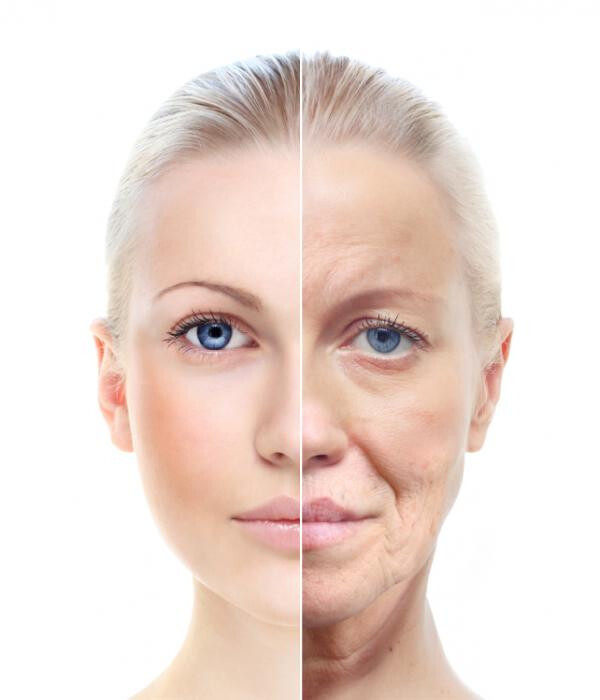
Biological ageing in humans does not progress linearly like chronological age. A new study reveals that human ageing experiences a rapid acceleration, or "storm," around the age of 50, with the aorta, the body's largest artery, showing the most dramatic signs of decline.
The research, conducted by a joint team from the Chinese Academy of Sciences, Beijing Institute of Genomics, and Capital Medical University, sheds light on the non-uniform nature of organ and tissue ageing. The findings, which were first released online in July and formally published in the journal Cell (Volume 188, Issue 20, October 2, 2025), suggest that targeted therapies could be developed to improve health span in older adults by focusing on these critical periods.
The Protein Shift: A Window into Accelerated Ageing
To understand the pattern of individual organ ageing, the researchers analyzed protein changes in tissue samples from 76 post-mortem donors, ranging in age from 14 to 68. A total of 516 samples were collected from 13 major organs and blood, covering seven bodily systems: cardiovascular, digestive, endocrine, immune, respiratory, skin, and musculoskeletal.
By classifying the proteins found in each tissue and analyzing how their quantities changed with age, the team discovered that the most dramatic protein shifts occurred between the ages of 45 and 55. This decade marks a period where the rate of decline in tissue and organ function steepens significantly compared to the preceding decades.
Aorta and Pancreas: Hotspots of Decline
The most pronounced changes were observed in the aorta, indicating its extreme vulnerability to the ageing process. The aorta is crucial as it carries oxygenated blood from the heart to the rest of the body. Significant changes were also noted in the pancreas, which plays a vital role in the digestive and endocrine systems by producing enzymes and hormones.
The research hypothesizes that the accelerated ageing in the aorta could mean that blood vessels act as a vehicle, transporting pro-ageing substances throughout the body. To test this, the researchers injected GAS6, a specific protein synthesized in the aorta and linked to ageing, into laboratory mice. The mice showed clear signs of functional decline, including reduced physical activity, grip strength, endurance, balance, and coordination, alongside evident markers of vascular ageing. Grip strength is a known metric directly linked to the management of age-related diseases and injuries.
Multiple Inflection Points
These findings align with, and expand upon, earlier research from Stanford University, which identified 44 and 60 as significant inflection points for rapid ageing, published last year in Nature Aging.
The first inflection point (44) involved changes in molecules related to fat, caffeine, and alcohol metabolism, cardiovascular disease, and skin/muscle function.
The second inflection point (60) showed changes in carbohydrate/caffeine metabolism, immune regulation, and kidney function.
The Chinese scientists' new study reinforces the concept that human ageing is a complex process involving the phased transformation of various bodily systems, with the period around 50 being a particularly intense phase of change. The results provide a crucial roadmap for developing targeted treatments for ageing and age-related diseases, ultimately aiming to enhance the health and longevity of the elderly population.
[Copyright (c) Global Economic Times. All Rights Reserved.]