![[등록] 2026-09-01 15:48:31](/support/_updata/banner2/tl181982910_6749.png)


(C) Leverage Shares
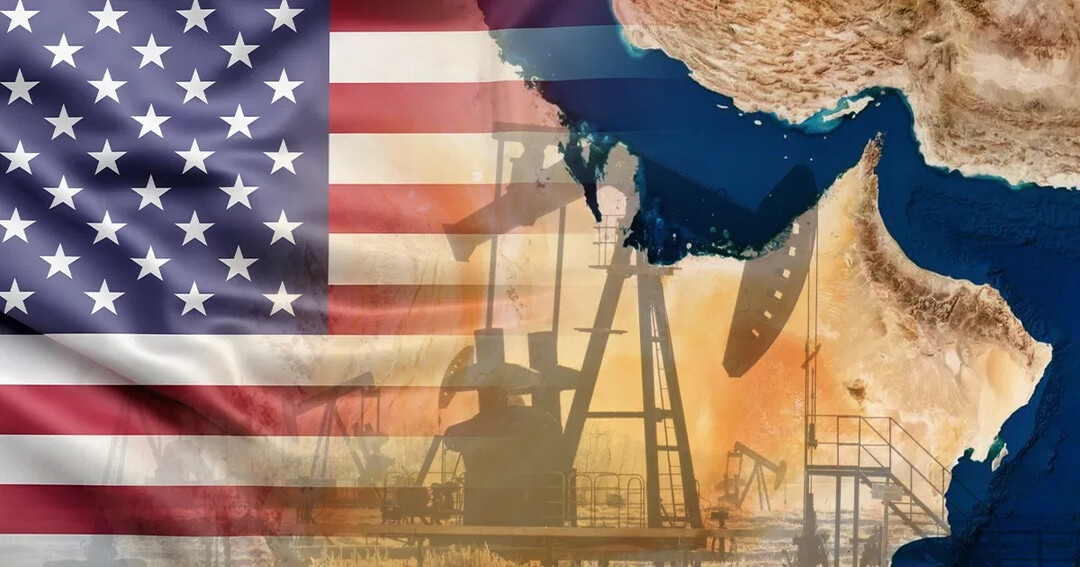
NEW YORK — The global energy market is reeling from an unprecedented shock as the Strait of Hormuz, the world’s most vital oil artery, remains shuttered by Iranian forces. This geopolitical stranglehold has sent crude prices skyrocketing, with benchmarks shattering records and analysts warning of a potential economic catastrophe if the standoff continues.
A Historic Surge in Crude Prices
On Friday, West Texas Intermediate (WTI) for April delivery surged by 12.21%, closing at $90.90 per barrel on the New York Mercantile Exchange. The weekly gain reached a staggering 35.63%, marking the most significant one-week jump since the inception of futures trading in 1983.
The international benchmark, Brent crude, followed a similar trajectory. May futures rose 8.52% to settle at $92.69 per barrel in London, though intra-day trading saw prices flirting with the $96 mark. This represents the sharpest daily increase since the early days of the 2022 Ukraine conflict.
Supply Chains Paralyzed: From Storage to Production
The Strait of Hormuz handles approximately one-fifth of the world’s daily oil consumption. With the blockade preventing tankers from departing, the impact is rippling backward from the sea to the wells.
Energy consultancy Kpler reported that storage facilities in Kuwait, Saudi Arabia, and the UAE are nearing maximum capacity. "Without a maritime exit, these nations have nowhere to put their oil," a Kpler analyst noted. Kuwait has already begun cutting production to avoid a total system overflow, which was predicted to occur within 12 days.
Iraq’s Ministry of Oil confirmed that it has slashed production at the Rumaila and West Qurna 2 fields by over 1.1 million barrels per day since the escalation began. Officials warned that if the blockade persists, Iraq may be forced to shut down up to 3 million barrels of daily capacity within a week.
Geopolitical Hardlines and Inflationary Fears
The diplomatic horizon remains bleak. U.S. President Donald Trump has maintained a defiant stance, stating that any resolution with Tehran would require nothing less than "unconditional surrender." This rhetoric suggests a protracted conflict, further unnerving global markets already struggling with inflationary pressures.
The financial sector is sounding the alarm. Major trading houses now view $100 per barrel as a foregone conclusion. However, more dire predictions are emerging. Qatar’s Energy Minister, Saad al-Kaabi, warned in an interview with the Financial Times that the vacuum in supply could drive prices to $150 per barrel in the coming weeks.
Economic Impact: The Looming Shadow
Economists warn that such a vertical move in energy costs will inevitably lead to a global "inflationary spiral." With transportation and manufacturing costs tied directly to oil, the sudden spike threatens to derail post-pandemic recovery efforts and trigger a worldwide recession.
As the international community watches the stalled tankers via satellite imagery, the question is no longer if the global economy will be damaged, but how long it can withstand the pressure before a total collapse of the energy supply chain.
[Copyright (c) Global Economic Times. All Rights Reserved.]