![[등록] 2026-09-01 15:48:31](/support/_updata/banner2/tl181982910_6749.png)


(C) MPR News
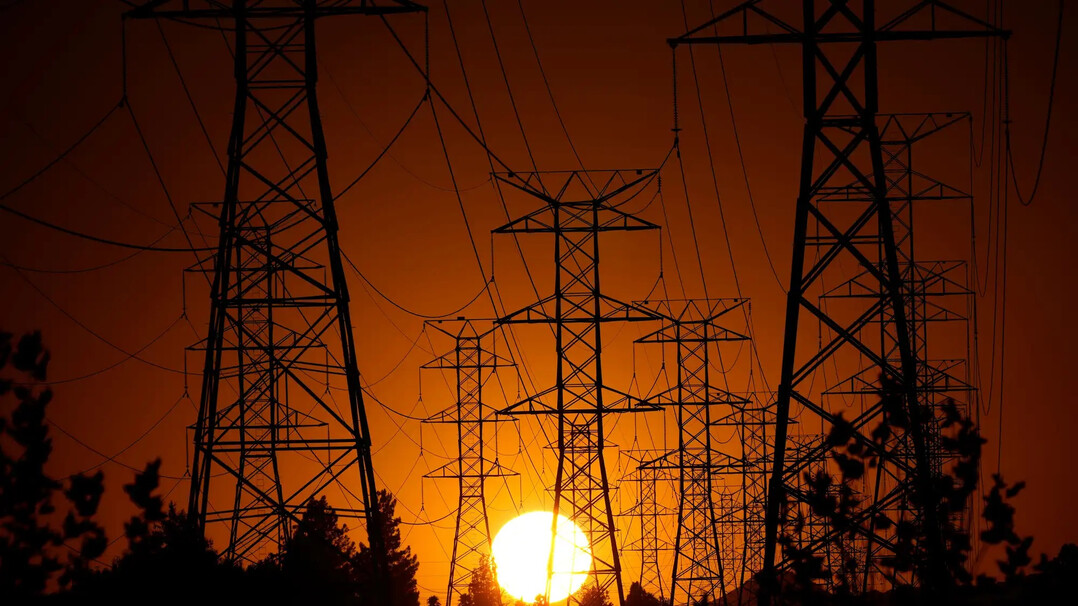
WASHINGTON — Rising electricity costs are becoming a central socioeconomic issue in the United States, as residential rates continue to climb, significantly impacting consumer sentiment and shaping the political landscape ahead of the 2026 midterm elections.
According to a report by the Wall Street Journal (WSJ) citing the U.S. Department of Energy, average residential electricity rates are projected to increase by approximately 4% next year, following a 4.9% surge in 2025. For many American households, electricity is the second-largest energy expense after gasoline, with a growing number of homes relying on it for heating.
The political fallout is already visible. In the recent New Jersey gubernatorial election, Democrat Mikie Sherrill secured a victory after pledging to freeze utility rates in a state where prices jumped 21% year-over-year. Similarly, in Georgia, voter frustration over rising costs led to the unseating of Republican incumbents on the Public Service Commission.
Experts point to a complex web of factors driving the hike. While the rapid expansion of AI data centers is often blamed for straining the grid, other critical drivers include:
Aging Infrastructure: Private utilities plan to invest $1.1 trillion in transmission and distribution through 2029—double the investment of the previous decade.
Climate Resilience: Costs associated with repairing damage from hurricanes and preventing wildfires.
Policy Shifts: State-led transitions toward renewable energy sources.
The National Energy Assistance Directors' Association estimates that home heating costs will rise 9% this winter, reaching an average of $995 per household. As these costs hit voters' wallets, analysts predict that energy affordability will be a decisive "pocketbook issue" in the November 2026 elections, where control of Congress will be at stake.
[Copyright (c) Global Economic Times. All Rights Reserved.]