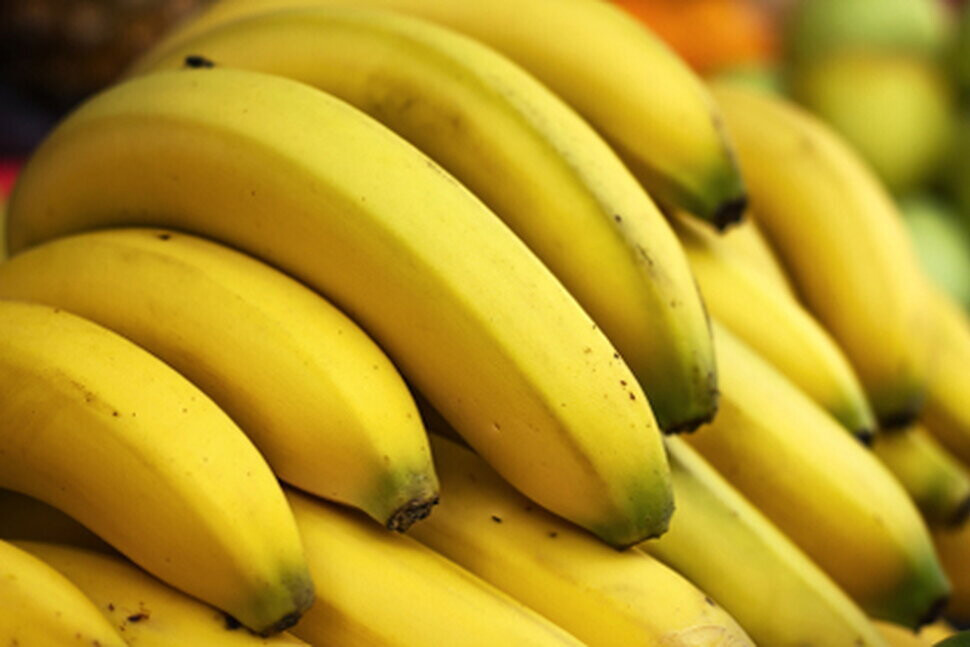
Bananas are a versatile fruit that fits seamlessly into both meals and snacks. Whether blended into a morning smoothie, sliced over yogurt, or grabbed on the go during a busy day, they serve as a convenient meal replacement. According to health media reports based on data from the U.S. Department of Agriculture (USDA), a single medium banana contains about 3 grams of dietary fiber, approximately 422 milligrams of potassium, alongside magnesium, vitamin B6, and vitamin C. These essential nutrients can support blood pressure management and promote gut health. Backed by insights from nutrition experts and overseas research, here are four key health benefits that bananas offer the human body.
1. Supports Blood Pressure and Cardiovascular Health
When thinking of bananas, potassium is often the first nutrient that comes to mind. According to the health platform WebMD, potassium helps the body excrete more sodium through urine, relaxes blood vessel walls, and contributes to lowering blood pressure. It is also an electrolyte that allows nerve cells to send signals for a regular heartbeat.
Healthline highlights that potassium-rich diets can lower blood pressure and reduce the risk of hypertension. A 2021 study analyzing data from the Framingham Offspring Study noted that individuals with a daily potassium intake exceeding 3,000 milligrams experienced a 25% lower risk of cardiovascular disease. However, because this figure represents total daily intake, a single banana will not fulfill the entire requirement on its own; rather, bananas serve as a convenient food source to help boost potassium intake.
Magnesium and dietary fiber also contribute to heart health. Healthline recognizes magnesium as a vital mineral for cardiac wellness, while Medical News Today, referencing a 2017 review study, reported that individuals with higher dietary fiber intake experienced lower risks of cardiovascular disease and reduced levels of LDL (bad) cholesterol.
2. Promotes Gut Health and Regular Bowel Movements
The dietary fiber found in bananas is closely linked to digestive wellness. According to Healthline, both ripe and unripe bananas contain pectin, which helps prevent constipation and softens stool. Unripe green bananas are particularly rich in resistant starch, which travels down to the large intestine undigested and acts as a prebiotic to feed beneficial gut bacteria. Although some test-tube studies suggest pectin might help prevent colorectal cancer, further research involving human subjects remains necessary.
Sandra Zhang, a pediatric nutritionist at the Frances Stern Nutrition Center at Tufts Medical Center in Boston, told The Healthy that "bananas are a great source of soluble dietary fiber." She explained that soluble fiber absorbs water to help form stools, while the minerals in bananas help replenish electrolytes lost through loose stools. This is why bananas are often sought out during bouts of diarrhea. According to Medical News Today, bananas are also a staple of the BRAT diet (bananas, rice, applesauce, toast) commonly recommended by some physicians for managing diarrhea.
3. Assists with Blood Sugar Management and Satiety
Despite their strong sweetness, bananas have a relatively low glycemic index (GI). Healthline cited a 2021 study placing the GI of raw bananas at 47 (low) and very ripe bananas at 57 (moderate), while WebMD lists the GI of a banana at 51. The soluble dietary fiber and resistant starch slow down gastric emptying, leading to a more gradual rise in post-meal blood sugar and helping regulate appetite.
When it comes to weight management, claims should be approached with caution. Healthline noted that no direct studies have specifically investigated bananas' direct impact on weight loss. However, because they are relatively low in calories (around 100 kcal) and rich in fiber, they can provide satiety, making them a favorable alternative to processed snacks.
Individuals with diabetes should monitor their portion sizes. Healthline advises eating only one banana at a time, as consuming large quantities at once can cause blood sugar levels to spike significantly. WebMD suggests eating about half a banana as a snack. Healthline also notes that pairing bananas with protein-rich foods, such as Greek yogurt, can help mitigate blood sugar responses.
4. Aids in Pre- and Post-Workout Energy and Muscle Function
Bananas are widely favored by athletes because they provide easily digestible carbohydrates alongside potassium and magnesium, which act as electrolytes. Healthline explains that replenishing fluids and electrolytes lost through sweat during intense workouts helps support muscle function and prevents exercise-related muscle cramps.
Nutritionist Sandra Zhang notes that the natural sugars in bananas serve as an excellent energy source for muscles, while potassium and magnesium help prevent cramps and maintain fluid balance.
Nonetheless, the strength of the scientific evidence should be viewed objectively. Healthline pointed out a lack of direct studies examining how bananas specifically affect athletic performance, cramping, and recovery. WebMD similarly indicated that while some studies suggest post-workout recovery benefits, further confirmation is needed. Eating bananas before or after a workout remains a healthy nutritional practice, but they should not be viewed as a guaranteed preventative measure against cramps.
When to Exercise Caution with Bananas
Certain individuals should exercise caution when consuming bananas. Healthline and WebMD advise that people with kidney disease consult a physician regarding their potassium intake, as those with end-stage renal disease or undergoing dialysis may require strict potassium restrictions. Medical News Today adds that individuals taking beta-blockers should moderate their intake of high-potassium foods like bananas, as these medications can elevate blood potassium levels. Allergic reactions and migraines have also been reported in some individuals.
Even healthy individuals should avoid overconsumption. Sandra Zhang warns that eating too many bananas can elevate blood sugar, displace the intake of protein and healthy fats, and potentially cause constipation by drawing water into the digestive tract. She recommends a general intake of 1 to 2 bananas per day for most people, while WebMD advises against relying solely on bananas and encourages eating a wide variety of different fruits.
[Copyright (c) Global Economic Times. All Rights Reserved.]