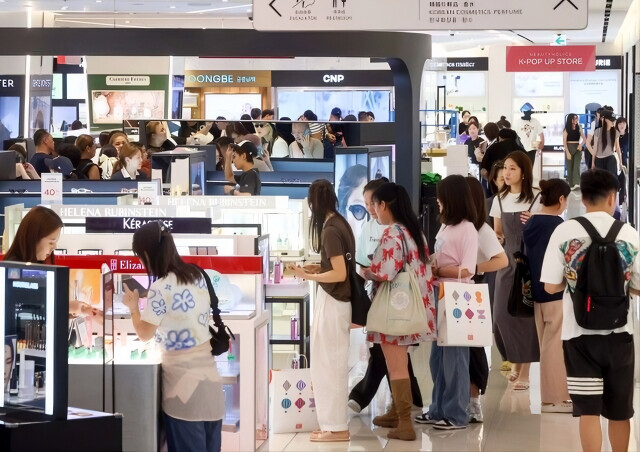
SEOUL — South Korea’s teenage consumer base is undergoing a major shift. Gone are the days when youth spending was centered almost exclusively on high-ticket luxury items or a single trendy brand of outerwear. Today, teenagers are driving a surge in multi-category consumption—ranging from cosmetics and keyrings to character merchandise—turning everyday shopping into a form of self-expression.
While individual items may seem affordable, the cumulative cost is giving parents a new kind of financial headache.
From Outerwear to Everyday Essentials
Recent data highlights a dramatic increase in teenage engagement across major retail and e-commerce platforms. According to Mobile Index, the monthly active users (MAU) of the health and beauty giant Olive Young among teens and pre-teens skyrocketed from about 248,000 in January 2022 to over 1.66 million by September 2026. Their share of the platform's total user base jumped from 9.7% to 17.3%.
A similar trend was observed on Daiso Mall, where young users under 20 surged more than 12-fold over the same period, accounting for 16.1% of all users.
The beauty and lifestyle sectors have become particularly popular. Teenage spending is no longer limited to basic skincare; it extends into color cosmetics, wellness items, and character-driven collaborations. For instance, during a collaboration with Sanrio last year, Olive Young saw a 60.6% spike in teenage sales compared to the previous year.
At the same time, lifestyle and hobby categories are booming. E-commerce platform Ably reported a 215% year-over-year increase in its "toy" category transaction volume among teens between January and October. Meanwhile, fashion platform Musinsa noted that K-pop album and merchandise transactions among teenage shoppers surged 37-fold over the same period.
A 'Play Culture' with Hidden Costs
Experts note that shopping has evolved into a core leisure activity for Generation Alpha and younger teens. Rather than conforming to uniform fashion trends, modern youth prefer mixing and matching diverse, smaller items to showcase their individual personalities and tastes.
However, this frequent, diversified shopping style is putting a strain on household budgets.
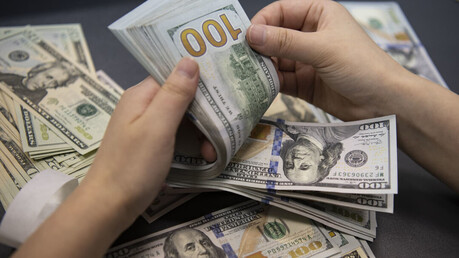
According to a consumption analysis report by NH Nonghyup Bank, the average annual check card spending of a middle or high school student reached 1.75 million won (approx. $1,300 USD) in 2024, marking a 30% increase compared to 2020. Furthermore, the proportion of teenagers using check cards twice or more a day rose from 18% to 29%.
"In the past, buying an expensive winter padded jacket meant a big, one-time expense," said a mother of a middle schooler in Seoul. "Nowadays, they constantly ask for small items like cosmetics or keyrings that cost just a few thousand won. Individually they don't seem like much, but when you add them up at the end of the month, the financial burden is surprisingly heavy."
Calls for Better Financial Education
Consumer specialists point out that today’s youth prioritize personal identity and reject monotonous conformity. However, the lack of structured financial literacy programs in schools remains a pressing concern.
"Today’s teens find the old culture of wearing identical expensive brands and trying to rank themselves within it boring and unappealing," said Lee Eun-hee, a professor of consumer science at Inha University. "Even something as small as a keyring is a way to express their unique personality, which is why this trend is spreading rapidly."
She warned, "The problem is that these small purchases accumulate over time, eventually rivaling the cost of a luxury winter coat. Currently, consumer education in schools is woefully insufficient, meaning children are learning how to spend before they even learn how to earn. The government needs to pay closer attention to financial literacy for the younger generation."
[Copyright (c) Global Economic Times. All Rights Reserved.]