![[등록] 2026-09-01 15:48:31](/support/_updata/banner2/tl181982910_6749.png)


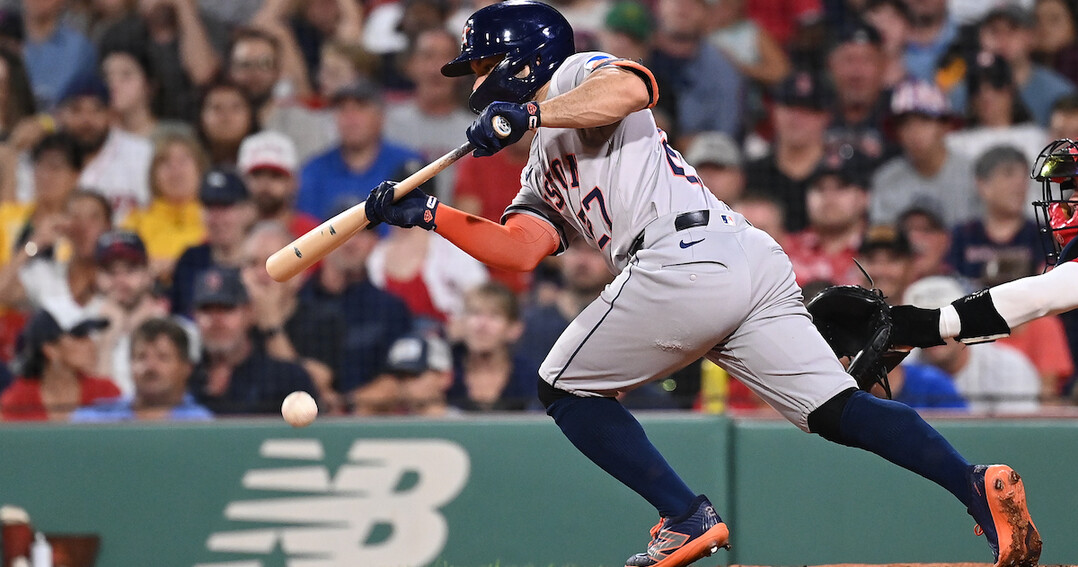
The modern era of Major League Baseball (MLB) has long been dominated by data-driven philosophies, where analytical metrics dictated strategic decisions. Famously spearheaded by Oakland Athletics executive Billy Beane—whose approach was immortalized in the book and film "Moneyball"—traditional small-ball tactics like the sacrifice bunt were heavily discouraged. Advanced analytics argued that sacrificing an out to advance a runner resulted in a net loss of expected runs, since a runner on second with one out statistically yields fewer runs than a runner on first with no outs. This data-centric shift caused bunting rates to plummet, hitting an all-time low in 2020 when the overall sacrifice bunt ratio relative to total plate appearances dropped to a meager 0.19 percent.
However, the baseball landscape is experiencing a fascinating tactical shift. Data from the 2026 season highlights a striking resurgence of the bunt, proving that conventional wisdom is once again evolving. As the season progresses into its final stretch, the total number of sacrifice bunts across the league is on track to surpass 600, matching or exceeding last year's high marks. Furthermore, bunt hits and their proportion relative to total hits are climbing to levels not seen in over a decade, signaling that small-ball strategies are no longer relics of the past.
This renaissance is primarily a reactive countermeasure to the ongoing "velocity revolution" sweeping through professional baseball. Pitchers are throwing harder and more effectively than ever before, with the modern four-seam fastball averaging unprecedented speeds nearing 152.4 kilometers per hour, accompanied by elite arms touching close to 170 kilometers per hour. This overwhelming influx of power pitching has caused league-wide offensive production indicators, such as overall OPS (on-base plus slugging), to experience a noticeable decline. Generating multi-run innings through traditional means like consecutive hits or multi-run home runs has become exceptionally difficult. Consequently, as scoring environments tighten, the intrinsic value of moving a single base forward has risen dramatically.
Paradoxically, the very attributes that make modern pitchers dominant also expose them to the bunt. With average pitcher heights hovering around 190 centimeters, today's towering hurlers often struggle with defensive mobility and quick transitions under high-adrenaline situations. Fielders caught up in the velocity arms race may find it physically demanding to field a deadened ball and execute a precise throw to first base in time. Consequently, well-placed bunts have transformed into high-efficiency instruments used to exploit the defensive blind spots of elite pitching staffs.
Strategic approaches to bunting have also evolved significantly alongside these trends. Traditional tactics, such as putting down a sacrifice bunt with a runner on first base early in an inning, are increasingly viewed as outdated or sub-optimal. Instead, teams are leveraging more aggressive and high-value plays, such as squeeze bunts designed to immediately drive in a runner from third base. Data from analytical platforms like FanGraphs shows that an increasing share of total bunt plays now occur with runners in scoring position, maximizing the immediate run-producing potential of each attempt. When combined with occasional defensive miscues, these precise executions frequently turn routine outs into multi-run rallies.
Importantly, this strategic revival is predominantly being driven by small-market clubs that lack the financial capital to acquire elite, high-salary power hitters. Teams operating under constrained payrolls, such as the Tampa Bay Rays and the Milwaukee Brewers, have heavily integrated small-ball elements into their daily game plans. Rather than relying solely on home runs, these organizations utilize speed, discipline, and precise short-game execution to manufacture runs efficiently. Intriguingly, these bunt-heavy clubs have translated their tactical discipline into massive competitive success, frequently sitting atop their respective division and league standings.
A prime example of this philosophy in action occurred during a high-stakes matchup earlier in the season when the Milwaukee Brewers executed three consecutive small-ball plays—featuring a sacrifice bunt, a bunt single, and a squeeze bunt—in a single inning to overturn a deficit against a heavily favored opponent. Despite operating on a payroll fraction of wealthier rivals, such disciplined execution underscores a timeless baseball truth: fundamentals and tactical adaptability remain powerful equalizers. As long as pitching velocity continues to suppress traditional offense, the art of the bunt will remain a vital and lethal weapon in the modern manager's toolkit.
[Copyright (c) Global Economic Times. All Rights Reserved.]