
• 2026.11.11 (Wed)
  • All articles
  • LOGIN
  • JOIN
Global Economic Times
[등록] 2026-09-01 15:48:31
  • Synthesis
  • World
  • Business
  • Industry
  • ICT
  • Distribution Economy
  • Well+Being
    • Pet Life
    • Halal Horizon
  • Travel
  • Eco-News
  • Education
  • Korean Wave News
  • Opinion
  • Arts&Culture
  • Sports
  • People & Life
    • International Student Report
    • With Ambassador
  • Column
    • Cho Kijo Column
    • Cherry Garden Story
    • Ko Yong-chul Column
    • Kim Bong-seon's Photo Column
    • Kim Seul-Ong Column
    • Lee Yeon-sil Column
  • Photo News
  • New Book Guide
MENU
 
Home > Industry

The Race for Multi-Band Base Stations: A New Frontier in Telecommunications

Global Economic Times Reporter / Updated : 2024-12-02 07:14:30
  • -
  • +
  • Print


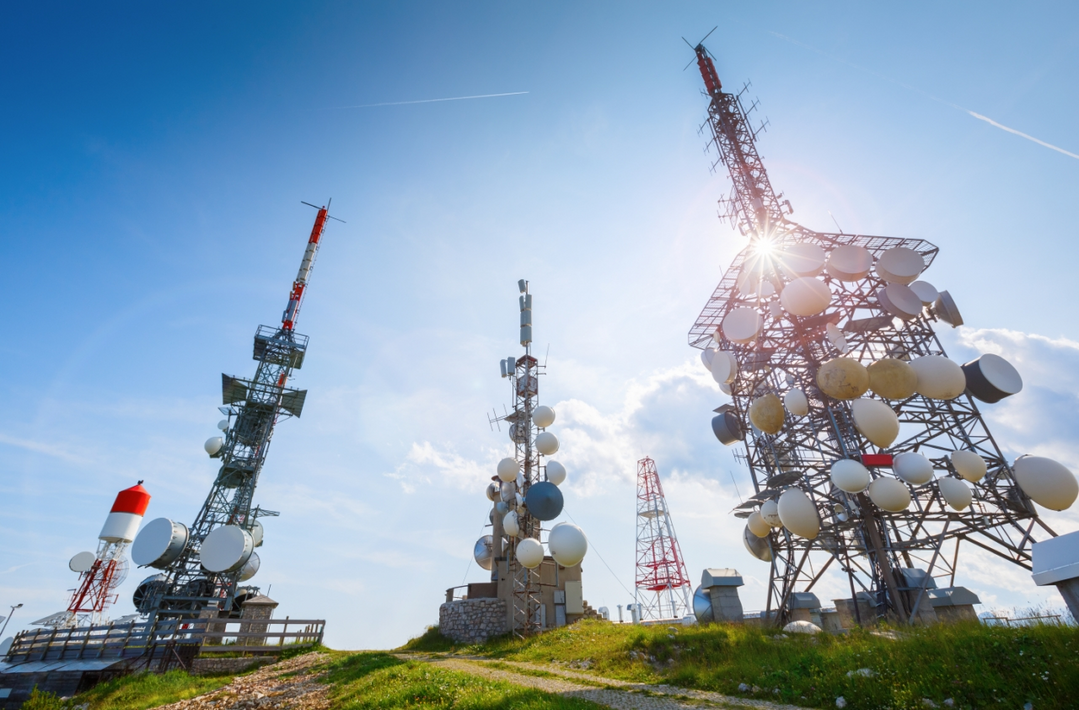
As the world becomes increasingly interconnected, the demand for high-speed, reliable mobile networks continues to soar. To meet this demand, telecommunications companies worldwide are investing heavily in expanding their network capacities. A key component of this expansion is the adoption of multi-band base stations, a technology that promises to revolutionize the way we connect.

Multi-band base stations, unlike their single-band predecessors, can process signals from multiple frequency bands simultaneously. This means that instead of requiring separate infrastructure for each frequency band, telecommunications companies can consolidate their operations and reduce costs. For instance, a multi-band base station can handle both 2 GHz and 4 GHz signals, providing a more efficient and flexible solution.

The growing adoption of multi-band base stations is being driven by a number of factors, including the increasing availability of spectrum and the rising demand for data-intensive applications. Countries such as Hong Kong, Thailand, Brazil, and India have recently allocated additional frequency bands to their mobile operators, fueling the need for more advanced network infrastructure.

For example, Hong Kong has auctioned off 110 MHz of spectrum for 4G and 5G services, while Thailand is preparing to auction 2300 MHz spectrum for 5G Advanced and 6G services. Brazil and India have also taken steps to expand their spectrum holdings, recognizing the importance of robust wireless connectivity for economic growth and social development.

Leading telecommunications equipment vendors, including Huawei, Ericsson, Nokia, and Samsung, are at the forefront of the multi-band base station market. These companies are investing heavily in research and development to create more efficient, powerful, and versatile solutions. For instance, Huawei has unveiled an AI-powered multi-band base station that can improve network speeds by up to 30%, while Nokia has introduced its AirScale solution, capable of supporting a wide range of frequency bands.

The market for multi-band base stations is poised for significant growth in the coming years. According to research firm Research and Markets, the global market for multi-band base stations is expected to reach $334 billion by 2030. This growth is being driven by a number of factors, including the increasing demand for mobile data, the proliferation of IoT devices, and the ongoing deployment of 5G networks.

As the telecommunications industry continues to evolve, multi-band base stations will play a critical role in enabling the next generation of wireless networks. By providing greater capacity, flexibility, and efficiency, these advanced technologies will help to meet the growing demand for data and ensure that we can stay connected wherever we go.

[Copyright (c) Global Economic Times. All Rights Reserved.]

  • #globaleconomictimes
  • #koyongchul
  • #cherrylee
  • #seoulkorea
  • #periodicoeconomico
  • #글로벌이코노믹타임즈
  • #GET
  • #GETtv
  • #liderdel
Global Economic Times Reporter
Reporter Page

Popular articles

  • World Citizens are Flying Directly to Busan... The Era of 4 Million Foreigners is Just Around the Corner

  • Cold Wave and Autumn Chill Hit Korea on "Ipdong": Gangwon -6°C, Seoul Real-Feel -4°C… Rain and Snow Expected in Central Regions on Sunday

  • Restoring Hearing with Genes, Cochlear Implants with Robots: Where Does Hearing Loss Treatment Stand Today?

I like it
Share
  • Facebook
  • X
  • Kakaotalk
  • LINE
  • BAND
  • NAVER
  • https://globaleconomictimes.kr/article/1065564799336403 Copy URL copied.
Comments >

Comments 0

Weekly Hot Issue

  • Bucheon Conducts Winter Safety Inspections for Small-Scale Construction Sites Under 5.7 Million USD
  • Bucheon City to Hold Joint Exhibition for Together Care Centers… 364 Children Participate
  • Bucheon City Successfully Concludes Residents’ Autonomy Program Contest… Top Team Advances to Gyeonggi Provincial Contest
  • Lens on the Edge: The Visual Chronicles of a Wildlife Photographer Documenting Earth’s Final Hour
  • Exploring the World of Hangeul Calligraphy at Cheongnong’s Hangeul Art Institute
  • South Korea’s Graduate Schools Face Empty Classrooms as Demand for Tech Talent Reaches Critical Mass

Most Viewed

1
South Korea and Ethiopia Sign Trilateral MOU to Introduce Liquid-Based Cytology (LBC) Technology for Cervical Cancer Diagnosis
2
US Army Conducts Rare Temporary Burial Drills to Prepare for Worst-Case Large-Scale War Scenarios
3
World Citizens are Flying Directly to Busan... The Era of 4 Million Foreigners is Just Around the Corner
4
Eating 100g of Baechu Kimchi Daily Linked to Lower High-Cholesterol Risks
5
From Kim Whanki to Pokémon Cards... Seoul Auction Opens the Floodgates
체리가든 스토리
nutri huevos
로타리
동포저널

Hot Issue

LG Electronics and Skyscanner Partner to Bring Smart Travel Planning to Living Rooms

Regional Tourism in South Korea Struggles as Infrastructure Lags Behind Inbound Airport Growth

Miky Lee Honored with Asian Hall of Fame’s Centennial Medal for Pioneering Global K-Culture

Fashion Runway Show 2026

Let’s recycle the old blankets in Jeju Island’s closet instead of incinerating them.

Global Economic Times
korocamia@naver.com
CEO : LEE YEON-SIL
Publisher : KO YONG-CHUL
Registration number : Seoul, A55681
Registration Date : 2024-10-24
Youth Protection Manager: KO YONG-CHUL
Singapore Headquarters
5A Woodlands Road #11-34 The Tennery. S'677728
Korean Branch
Phone : +82(0)10 4724 5264
#304, 6 Nonhyeon-ro 111-gil, Gangnam-gu, Seoul
Copyright © Global Economic Times All Rights Reserved
  • News K
  • 반달곰 프로젝트
  • 광고문의
Search
Category
  • All articles
  • Synthesis
  • World
  • Business
  • Industry
  • ICT
  • Distribution Economy
  • Well+Being 
    • 전체
    • Pet Life
    • Halal Horizon
  • Travel
  • Eco-News
  • Education
  • Korean Wave News
  • Opinion
  • Arts&Culture
  • Sports
  • People & Life 
    • 전체
    • International Student Report
    • With Ambassador
  • Column 
    • 전체
    • Cho Kijo Column
    • Cherry Garden Story
    • Ko Yong-chul Column
    • Kim Bong-seon's Photo Column
    • Kim Seul-Ong Column
    • Lee Yeon-sil Column
  • Photo News
  • New Book Guide
  • Overseas Koreans
  • Multicultural News