![[등록] 2026-09-01 15:48:31](/support/_updata/banner2/tl181982910_6749.png)


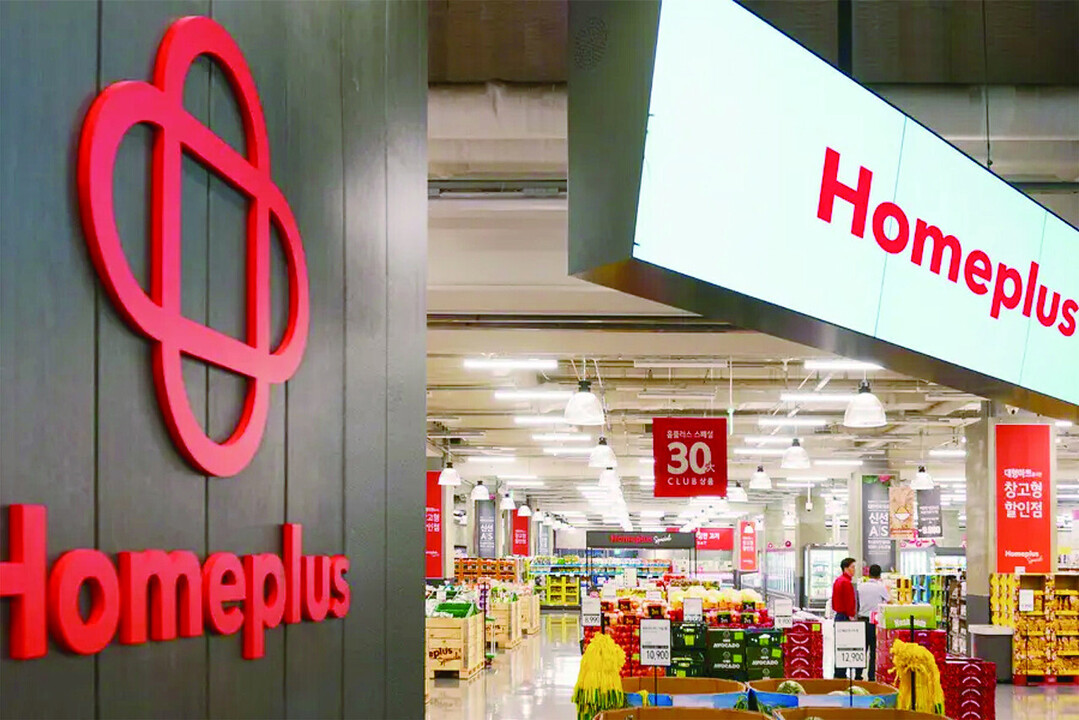
The South Korean government has implemented a comprehensive financial support package to cushion the economic fallout following the termination of Homeplus's rehabilitation proceedings. In a coordinated response to protect affected workers and small-and-medium-sized enterprises (SMEs), officials agreed to extend loan maturities totaling 5.2 trillion won while providing direct liquidity to vulnerable supply chain partners.
The Ministry of Economy and Finance convened a meeting of the 'Homeplus-Related Task Force' at the Government Complex Seoul on July 24, chaired by Assistant Minister Kang Ki-ryong. The panel evaluated the current state of damage among employees and partner firms while laying out ongoing relief measures aimed at stabilizing livelihoods and maintaining business continuity.
Labor Relief & Wage Guarantee Programs
Following the court's decision to close the corporate rehabilitation process, the Ministry of Employment and Labor established dedicated response centers. From July 3 to July 23, regional employment centers and one-stop consultation desks received 1,935 inquiries from workers seeking legal and financial guidance regarding unpaid wages.
To mitigate immediate financial distress, the government is mobilizing state-backed support mechanisms:
Wage Subrogation Payments: Eligible workers can receive up to 21 million won per person in guaranteed substitute payments for overdue wages.
Livelihood Loans: Low-interest emergency loans of up to 10 million won per person are available at an annual interest rate of 1.5%. Since the initiation of rehabilitation proceedings through July 23, a total of 410 billion won across 8,934 individual cases has been disbursed.
Government officials confirmed they are closely monitoring the retailer's Debtor-in-Possession (DIP) financing process to ensure accumulated back pay is cleared as soon as fresh funding is secured.
Targeted Liquidity Support for SMEs and Suppliers
Small businesses and suppliers integral to Homeplus's retail network are receiving targeted financial buffers through state agencies and private banking institutions.
Small Business & SME Emergency Funds: The Small Enterprise and Market Service conducted 152 emergency management consultations between July 3 and July 23. It has extended 6.5 billion won in emergency management stabilization funds across 180 cases. Meanwhile, dedicated emergency funds for broader SMEs will begin accepting applications on July 27.
Guarantee Program Expansions: The Korea Technology Finance Corporation (KOTEC) revised its guidelines to include Homeplus suppliers under its emergency stabilization guarantee framework, accepting requests since July 10. Simultaneously, the Korea Credit Guarantee Fund (KODIT) provided 11.6 billion won through 16 crisis-response special guarantees as of July 22.
Banking Sector Cooperation: Commercial banks have rolled out extensive relief packages. As of July 17, financial institutions granted loan maturity extensions and payment deferrals covering 7,752 cases, amounting to 5.2 trillion won ($3.76 billion). Banks also issued 19.1 billion won in new emergency liquidity across 100 cases, with preferential interest rates applied to 58 of those transactions (valued at 31 billion won).
"The government will maintain continuous monitoring and extend all necessary measures to ensure the financial stability of workers and suppliers connected to Homeplus," stated a government spokesperson following the meeting.
[Copyright (c) Global Economic Times. All Rights Reserved.]