![[등록] 2026-09-01 15:48:31](/support/_updata/banner2/tl181982910_6749.png)


《“Korea to Surpass Japan to Become the World’s Oldest Nation by 2060”
The U.S. Census Bureau projected on the 3rd (local time) that South Korea will become the nation with the oldest population in the world 34 years from now. The forecast predicts that around 2060, 4 out of every 10 people in South Korea will be elderly individuals aged 65 or older, overtaking Japan, which is currently the world’s top super-aged nation. Consequently, the old-age dependency ratio—representing the proportion of the elderly population per 100 people of working age—is projected to surge about 2.8-fold from 29.5 last year to 81.6 in 2060 for South Korea. The burden of supporting the elderly population, including pensions and healthcare, is also expected to increase.》
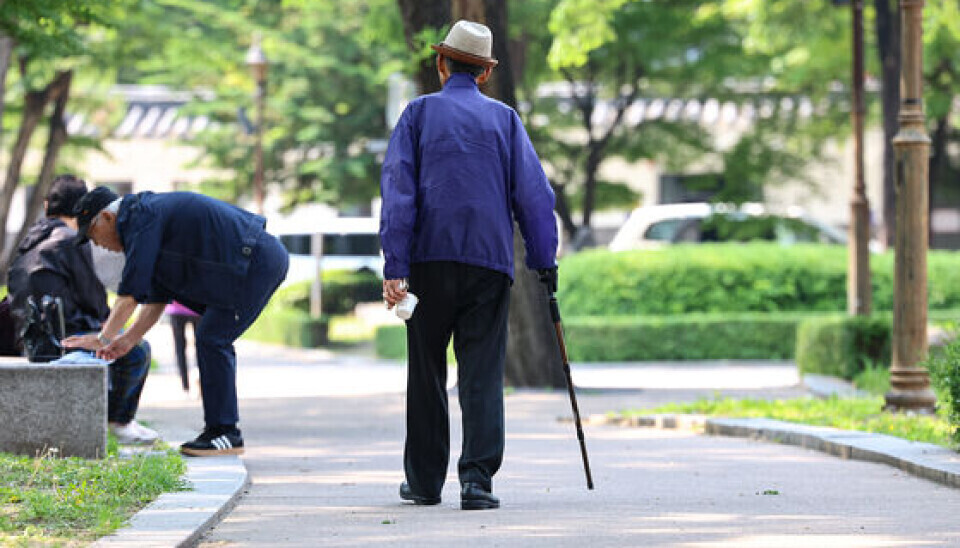
The U.S. Census Bureau has projected that around 2060, South Korea will surpass Japan to become the country with the oldest population in the world. This suggests that South Korea’s aging rate will outpace that of Japan, a nation widely synonymous with a “super-aged society.”
The number of elderly individuals aged 65 or older per 100 working-age people (aged 15–64) in South Korea is expected to skyrocket from about 30 last year to roughly 82 in 2060. As the proportion of the elderly population grows rapidly, analyses warn that the economic burden of supporting them—such as pensions, medical care, and nursing costs—could increase substantially.
● Korea’s Elderly Population Proportion to Surpass Japan and Rank 1st Globally by 2060
According to the report titled “An Aging World: 2025” released by the U.S. Census Bureau on the 3rd (local time), South Korea’s proportion of the population aged 65 and older is projected to more than double, rising from 20.3% last year to 41.0% in 2060. During this period, the country's global ranking is expected to jump from 22nd last year to 1st in 2060, overtaking Japan, the current top aging nation. Japan, where the elderly population proportion stood at 29.7% last year to rank 1st, is projected to drop to 3rd place behind South Korea and Taiwan by 2060.
The growth rate of the super-aged population aged 80 and older is even steeper. South Korea’s proportion of the population aged 80 and older is expected to nearly quadruple, rising from 4.8% last year to 18.3% in 2060. This places South Korea third globally, following Monaco (27.1%) and Japan (19.4%).
Consequently, South Korea’s median age is projected to rise by over 13 years, from 46 last year to 59.2 in 2060. The median age is the age that divides a population into two numerically equal halves. This means that by 2060, aging will have progressed to the point where someone approaching sixty will represent the exact midpoint of South Korea's population.
● Old-Age Dependency Ratio in 2060 Projected at About 2.8 Times That of Last Year
The old-age dependency ratio, which gauges society's economic burden regarding the elderly population, is projected to increase about 2.8-fold in South Korea, moving from 29.5 last year to 81.6 in 2060. The old-age dependency ratio indicates how many individuals aged 65 and older there are per 100 people of working age. This means that a demographic structure where roughly 3.4 working-age people support 1 elderly person will transform into a ratio of approximately 1.2 working-age people per 1 elderly person by 2060. While this does not reflect the exact ratio of actual workers to dependents, it illustrates how the burden of pensions and other costs could escalate due to the growing elderly population. In this regard, an analysis was also raised that life expectancy is growing faster than healthy life expectancy, implying that living longer does not mean living the extended lifespan entirely in good health. According to the report, the proportion of remaining life spent in good health after age 60 in the United States dropped by more than 2 percentage points over a 19-year span (2000–2019).
In addition to health, elderly poverty is also a problem. According to the report, South Korea’s elderly poverty rate stood at 40.5% as of 2020, making it the highest among member countries of the Organisation for Economic Co-operation and Development (OECD). The report cited the late introduction of the National Pension system, low pension coverage levels, and early retirement as reasons for South Korea's high elderly poverty rate.
● Population Aged 65 and Older Surpasses Infants and Toddlers for the First Time in Human History
Aging is not a phenomenon unique to South Korea. According to the report, last year, for the first time in human history, the proportion of the global elderly population aged 65 and older (10.5%) surpassed the proportion of infants and toddlers aged 5 and under (less than 10%). The proportion of people aged 65 and older in the global population is projected to rise from 10.5% last year to 19.6% in 2060. By 2060, 1 out of every 5 people in the world will be 65 or older. The U.S. Census Bureau evaluated this demographic structure—where the proportion of the elderly is expanding as the global population ages faster than anticipated just a decade ago—as “an unprecedented shift in human history.”
The report attributed the primary causes of global aging to the concurrent decline in fertility and mortality rates. While the decline in mortality rates increases the population surviving into old age, the decline in fertility rates reduces the younger population, thereby driving up the proportion of the elderly. In particular, the report projected that if low birth rates persist over a long period, the population of potential parents will also shrink, further accelerating the aging process.
[Copyright (c) Global Economic Times. All Rights Reserved.]